
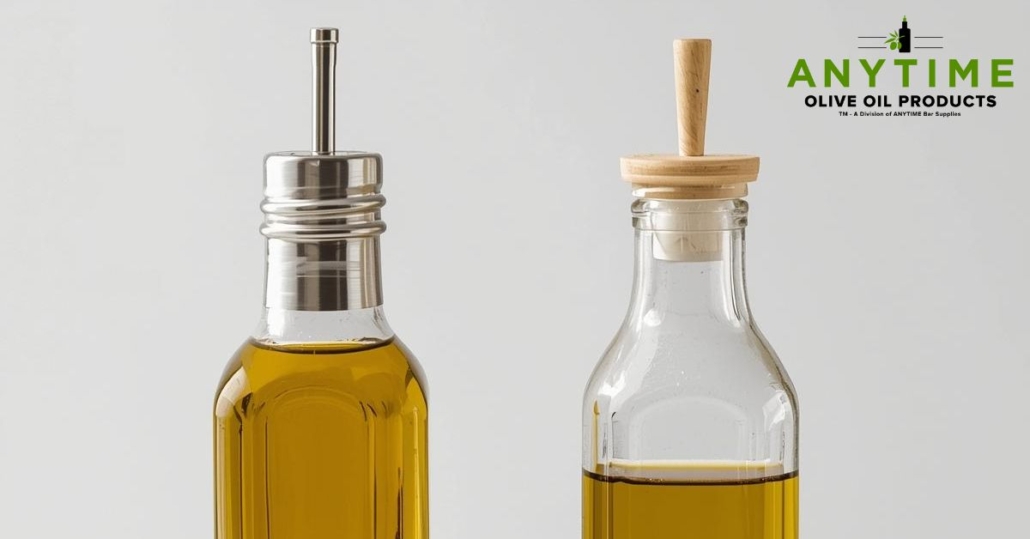
How to Keep Olive Oil Fresh: Why the Right Pour Spout and Bottle Make All the Difference
Extra Virgin Olive Oil (EVOO) is more than just a kitchen staple; it’s a delicate, living product packed with polyphenols and healthy fats. However, from the moment you open the bottle, a countdown begins. Without the proper tools, your premium oil can quickly lose its flavor and nutritional value.
To keep your oil at peak freshness, you need to defend against the “big three” enemies of olive oil: Light, Heat, and Oxygen.
1. The Bottle: Your First Line of Defense
Not all containers are created equal. If your olive oil is sitting in a clear glass bottle on your counter, it is actively degrading.
- Dark Glass is Essential: UV rays trigger a process called photo-oxidation. This breaks down chlorophyll and turns fresh oil rancid. Always choose dark green, amber, or opaque ceramic bottles.
- Avoid Plastic: Over time, olive oil can absorb chemicals from plastic containers (like phthalates), which alters the taste and purity.
- Size Matters: Use a smaller “working bottle” for daily use and keep your larger bulk tins sealed in a cool, dark pantry.
2. The Pour Spout: The Gateway to Freshness
Many home cooks underestimate the importance of the pourer. A standard open-neck bottle or a cheap, always-open spout acts like a straw for oxygen.
Why Weighted Spouts Win
A weighted olive oil pour spout is the ultimate tool for freshness. These spouts use a gravity-actuated lid that opens only when you tilt the bottle to pour and snaps shut the moment you set it down.
- Minimizes Air Exposure: By sealing automatically, it prevents the constant flow of oxygen into the bottle.
- Precision Pouring: It prevents “glugging,” allowing you to drizzle the exact amount needed without waste.
- Hygiene: A closed spout keeps out dust, kitchen grease, and fruit flies.
3. Storage Habits for Maximum Shelf Life
Even with the best spout, your environment matters. To extend the life of your oil, follow these three rules:
- Keep it Cool: Store your oil at approximately 55–65°F. Never store it above the stove or next to the oven.
- Stay Away from Windows: Even dark glass can only do so much against direct sunlight.
- Check the Seal: Ensure your pour spout fits snugly. A loose-fitting spout allows air to leak in through the sides.
 Frequently Asked Questions
 Frequently Asked Questions
Does olive oil go bad?
Yes. Unlike wine, olive oil does not improve with age. It is a fresh fruit juice that typically stays at its best for 18–24 months from harvest, or 30–60 days once opened.
Why does my olive oil smell like crayons?
A smell reminiscent of crayons, stale nuts, or old play-dough is a definitive sign of rancidity. This happens when the oil has been overexposed to light, heat, or oxygen.
Can I leave my pour spout on the bottle all the time?
If you use a weighted or sealed pour spout, yes! However, if you use an open-air “speed pourer” common in bars, you should replace it with a cap between uses to prevent oxidation.
Should I wash my olive oil bottle and spout?
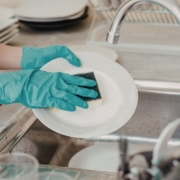
Yes. When switching to a new batch of oil, wash your glass bottle and spout with warm, soapy water and dry them completely. Residual old oil can go rancid and contaminate the fresh oil.




 –
–