
DIY Gourmet Wedding Favors: How to Bottle and Seal Custom Olive Oils
When planning a wedding, finding a favor that balances elegance, utility, and personalization can feel like a challenge. You want to gift your guests something memorable, but nobody needs another trinket that sits on a shelf collecting dust.
Enter the DIY gourmet olive oil wedding favor.
Not only is custom-bottled olive oil a beautiful addition to your reception tables, but it is also a practical, luxury treat that your guests will love using in their own kitchens. Whether you plan to feature a rich, single-origin extra virgin olive oil or craft your own custom-infused blends, the bottling and sealing process is the key to a professional finish.
Below, we break down exactly how to bottle, seal, and present custom olive oils for your big day.
The Materials You Will Need
Before you begin assembling your favors, gather high-quality ingredients and materials. Skimping on the bottles or seals can lead to leaks, which will quickly ruin your beautiful table settings.
- Premium Extra Virgin Olive Oil: Buy in bulk to save on costs.
- Sterile Glass Bottles: 2 oz to 5 oz sizes work beautifully for weddings.
- High-Quality Closures: Corks or screw caps that fit your bottle necks perfectly.
- Heat-Shrink Caps or Wax Seals: To give your favors a tamper-evident, professional look.
- Custom Labels & Ribbons: To match your wedding theme and typography.
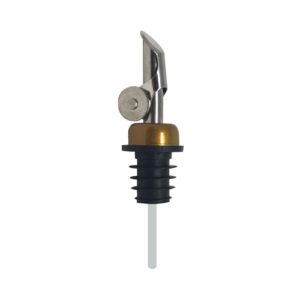
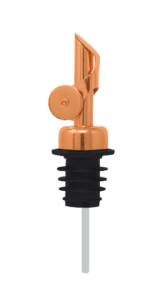
- The Ultimate Wedding Favor Upgrade: Include a sleek metal or silicone pour spout tucked into the packaging. This small addition transforms a simple bottle into a highly functional kitchen tool your guests will use daily.
Step-by-Step: How to Bottle and Seal Your Olive Oil
Creating these favors requires a clean workspace and a bit of patience. Follow these steps to ensure your gourmet gifts stay fresh and leak-free.
Pro-Tips for Infused Oils and Longevity
If you decide to make infused olive oils (such as rosemary, garlic, or chili), safety must come first.
Important Food Safety Warning: Fresh ingredients like raw garlic or fresh herbs contain water, which can breed Clostridium botulinum bacteria when submerged in oxygen-free oil. To stay safe, always use completely dried herbs and spices for your favors, or advise your guests to consume the infused oil within two to three weeks.
Store your finished bottles in a cool, dark place until the wedding day. Direct sunlight and heat can degrade the flavor of premium extra virgin olive oil and alter its beautiful golden-green hue.
FAQ
How far in advance can I make olive oil wedding favors?
If you are using pure extra virgin olive oil, you can bottle them 1 to 2 months in advance, provided they are stored in a cool, dark place. If you are using DIY fresh-infused oils, it is best to bottle them no more than 1 to 2 weeks prior to the wedding for maximum food safety.
What bottle size is best for wedding favors?
The most popular sizes for gourmet favors are 2 oz (60ml) and 3.4 oz (100ml) bottles. They are small enough to be budget-friendly and TSA-compliant for traveling guests, yet large enough to look elegant on a reception table.
Why should I include a pour spout with the favor?
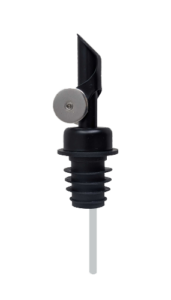
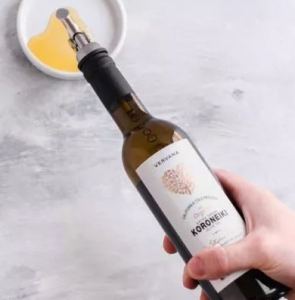
Including a high-quality pour spout elevates your favor from a simple kitchen ingredient to a luxury experience. Standard bottle openings easily drip and make a mess; a dedicated spout gives your guests a smooth, controlled pour every time they cook.


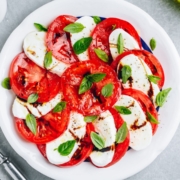
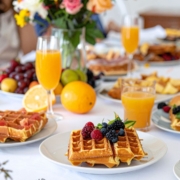
 Precision Pouring for Signature Brunch Dishes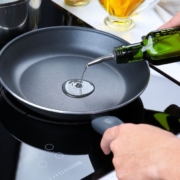
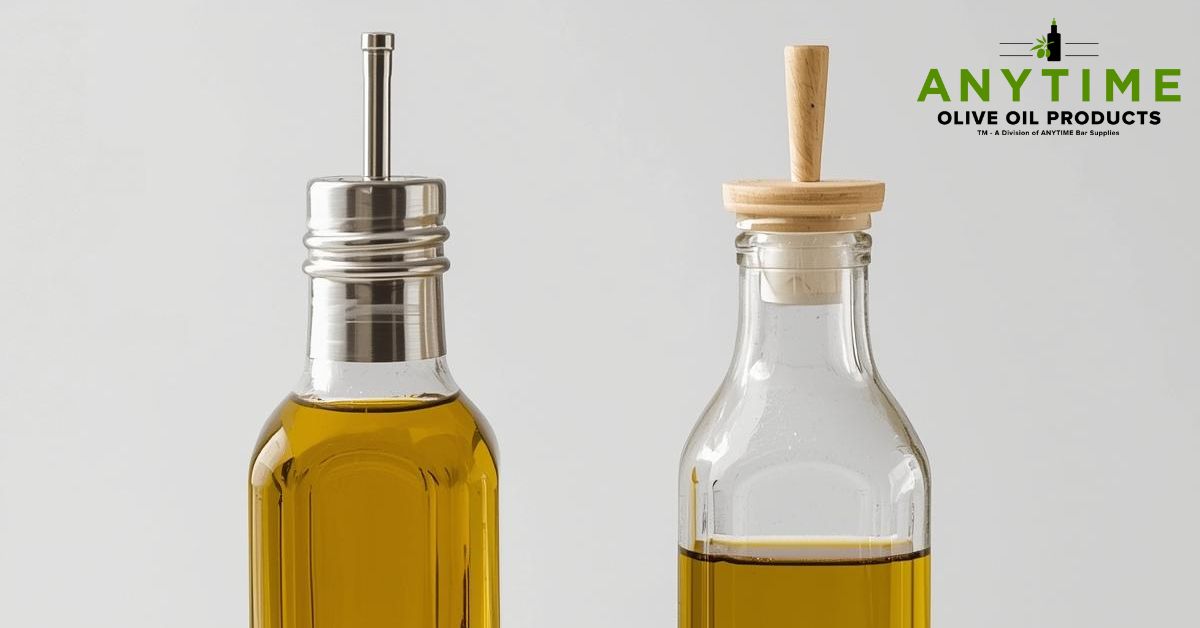 3. Precision and Flow Control
 What to Look for in a Pour Spout
 Frequently Asked Questions
 4. Buy the Right Size for Your Usage
 –
–