
Tired of Greasy Bottles? Why a Drip-Free Olive Oil Spout is a Kitchen Essential
If you love cooking, you know the struggle: you reach for your premium extra virgin olive oil, tilt the bottle to drizzle it over a salad or into a pan, and—drip. A single bead of oil runs down the side of the glass.
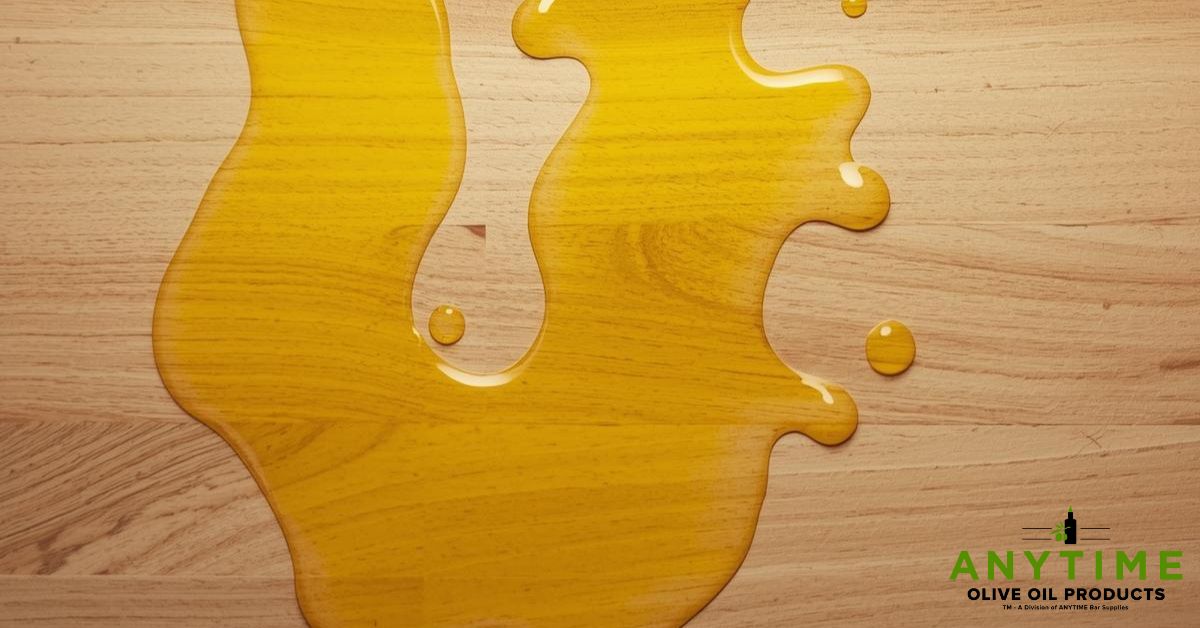
Before you know it, the bottle is sticky, your countertop has a stubborn oil ring, and your hands are greasy. This isn’t just a minor annoyance; it’s a kitchen efficiency killer. The solution is simpler than you think: a high-quality, drip-free olive oil spout.
In this guide, we’ll explore why upgrading your pourer is a game-changer for your kitchen and how it preserves the liquid gold inside the bottle.
The Problem with Standard Olive Oil Bottles
Most olive oil is sold in bottles with simple screw caps or wide plastic inserts. While these are fine for shipping, they are terrible for precision.
- The “Glug” Factor: Without a vent, air can’t enter the bottle as oil leaves, leading to uneven splashes.
- Oxidation: Every time you leave a cap off during a long cooking session, oxygen enters the bottle, degrading the oil’s flavor and health benefits.
- The Mess: Oil is a magnet for dust and hair. A greasy bottle becomes a grime magnet in your pantry.
Why a Drip-Free Spout is a Kitchen Essential
1. Precision Pouring and Portion Control
A dedicated olive oil pour spout features a tapered design that creates a steady, thin stream. Whether you are dressing a delicate arugula salad or coating a pan, you have total control. This prevents over-pouring, which saves you money and keeps your recipes healthy.
2. No More Messy Countertops
The “drip-free” magic usually comes from a built-in return system or a sharp-edged silicone seal. This ensures that any excess oil at the tip is sucked back into the bottle rather than running down the side. Your bottles stay clean, your labels stay legible, and your counters stay spotless.
3. Preservation of Flavor (Airflow Control)
Quality pourers often include a weighted “flip-top” or a small cap. This minimizes the amount of oxygen that enters the bottle. Since heat, light, and oxygen are the three enemies of olive oil, a spout that seals itself helps maintain that peppery, fresh bite of high-quality EVOO for longer.
4. Professional Aesthetics
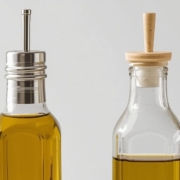
Let’s be honest: a sleek, stainless steel spout looks much better on your kitchen counter than a sticky plastic cap. It turns a functional ingredient into a professional-grade tool.
 What to Look for in a Pour Spout
 What to Look for in a Pour Spout
When shopping at Olive Oil Pour Spouts, look for these key features:
- Food-Grade Stainless Steel: Durable and won’t react with the acidity of the oil.
- Universal Fit: A flexible silicone cork that fits various bottle neck sizes.
- Dust Caps or Weighted Flaps: To keep fruit flies and dust out of your oil.
FAQ
Does a pour spout fit any bottle?
Most high-quality spouts use a graduated silicone bung that fits standard 250ml, 500ml, and 750ml bottles.
How do I clean my olive oil spout?
Soak it in warm, soapy water or run it through the dishwasher (if stainless steel). Ensure it is completely dry before putting it back on a bottle, as water promotes oil rancidity.
Will a pourer prevent my oil from going bad?
A pourer with a flap or cap helps reduce oxygen exposure compared to leaving a bottle uncapped, but you should still store your oil in a cool, dark place.
 Frequently Asked Questions
 –
–