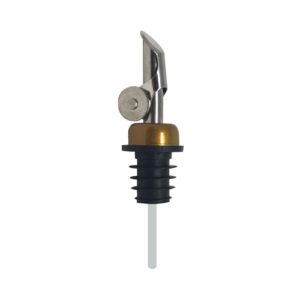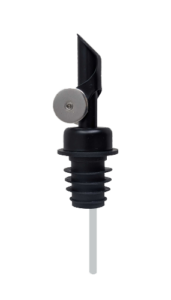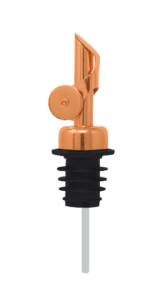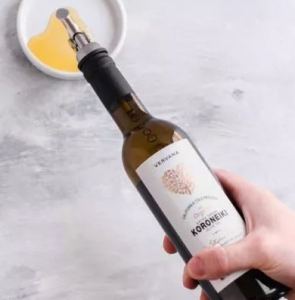

Enhance your olive oil experience with durable pour spouts and specialized products from Anytime Olive Oil Products.

Tag Archive for: Anytime Olive Oil Products

From Drizzle to Pour: Mastering Flow Control for Balsamic and Infused Oils

When it comes to gourmet cooking, the difference between a culinary masterpiece and a soggy salad is often just a few drops of oil. Whether you are finishing a Caprese salad with a syrupy balsamic glaze or adding a spicy kick with chili-infused oil, precision is everything.

At Olive Oil Pour Spouts, we know that the right tool doesn’t just make cooking cleaner—it makes it more intentional. Here is how you can master flow control to elevate your kitchen game.

The Challenge of Viscosity: Balsamic vs. Infused Oils

Not all liquids behave the same way. Traditional extra virgin olive oil has a consistent, fluid viscosity. However, balsamic vinegar—especially aged varieties—tends to be thicker and more syrupy. Conversely, infused oils might contain small sediments like red pepper flakes or dried herbs.

Using a standard open-mouth bottle often leads to “the glug”—that frustrating moment where too much liquid escapes at once. An aesthetic oil pourer solves this by using a tapered design that regulates the air pressure inside the bottle, ensuring a steady, predictable stream.

3 Techniques for Perfect Flow Control

To move from a heavy pour to a delicate drizzle, follow these professional tips:

  1. The “Angle of Attack”: For a slow drizzle, tilt the bottle to a 45-degree angle. For a steady pour into a pan, increase the tilt to 90 degrees. Our weighted spouts respond intuitively to these shifts in gravity.
  2. The Finger Pivot: If you are using a free-flow spout, you can partially cover the air intake hole with your thumb to slow the flow even further. This is ideal for decorating plates with balsamic reduction.
  3. The Snap-Back: To prevent the “final drip” from hitting your tablecloth, end your pour with a quick upward flick of the wrist. Our “clean pour” technology is specifically engineered to cut off the flow instantly, keeping the bottle and your linens spotless.

Why Quality Spouts Matter for Infusionscopper pour spout - Anytime Olive Oil Products

Infused oils are delicate. Exposure to oxygen is the “flavor killer” for oils infused with garlic, lemon, or rosemary. A high-quality pourer with a silicone bung provides an airtight seal that preserves these volatile aromatic compounds.

Furthermore, our spouts are designed to fit most 375ml and 750ml bottles. This means you can move your favorite artisanal balsamic into a vessel that actually honors its quality, rather than struggling with a sticky plastic cap.

Elevate Your Table Aesthetic

Beyond functionality, there is an undeniable beauty in a synchronized set of oil and vinegar dispensers. Replacing mismatched store bottles with sleek, metallic, or weighted pourers turns your kitchen counter into a professional chef’s station. It’s the easiest way to add a touch of “functional luxury” to your daily meal prep.

FAQ

Can I use the same pour spout for balsamic vinegar and olive oil?

Yes. Our stainless steel and silicone materials are non-reactive and food-safe for both acidic vinegars and fatty oils. Just be sure to rinse the spout with warm, soapy water when switching between liquids.

How do I prevent my infused oil from clogging the spout?

If your oil contains large particles (like whole peppercorns), we recommend straining the oil before bottling. Our tapered spouts handle micro-sediments easily, but large herbs can obstruct the flow.

Will these spouts fit my artisanal balsamic bottles?

We equip our spouts with flexible silicone bungs that fit most standard 375ml and 750ml bottles, including the narrow necks common in artisanal vinegar bottles.

How do I clean the spout after using syrupy balsamic?

Balsamic can become sticky over time. Simply soak the spout in warm water for five minutes and use a small bottle brush to clear the internal air tube for a like-new flow.

Mother’s Day Brunch: Elevating the Table with Aesthetic Oil Pourers

Mother’s Day is the perfect occasion to slow down and celebrate the women who inspire us. Whether you are hosting a sprawling garden party or an intimate indoor gathering, the secret to a memorable Mother’s Day brunch lies in the details. While flowers and linens are standard, elevating your table with aesthetic oil pourers is the sophisticated touch your guests—and your recipes—deserve.

At Olive Oil Pour Spouts, we believe that functional kitchen tools should be as beautiful as the meals they help create. Here is how you can use premium pourers to transform your brunch from ordinary to extraordinary.

The Art of the Table Scape: Why Aesthetics Matter

The visual appeal of your brunch table sets the mood before the first bite is even taken. Moving away from plastic store-bought bottles and into elegant glass or ceramic dispensers creates a cohesive, high-end look.

An aesthetic oil pourer acts as a functional centerpiece. Our weighted gold and silver spouts provide a touch of metallic warmth that complements spring floral arrangements and fine china. When your olive oil looks as good as it tastes, it signals to your guests that every ingredient was chosen with care.

hand pouring oil into a ceramic dish - Anytime Olive Oil ProductsPrecision Pouring for Signature Brunch Dishes
Beyond beauty, a high-quality pour spout offers the control needed for delicate brunch favorites:

  • Avocado Toast: Achieve that perfect, thin drizzle of extra virgin olive oil without over-saturating the bread.
  • Caprese Skewers: Use a controlled pourer to dress fresh mozzarella and tomatoes with surgical precision.
  • Focaccia Art: If you are serving homemade bread, a weighted spout allows for “drawing” with oil, ensuring even distribution.

A Thoughtful Gift for the Home Chef

If the mother figure in your life loves to spend time in the kitchen, a set of premium pour spouts makes for a unique and practical gift. Unlike generic kitchen gadgets, these are items she will use daily—improving the freshness of her oils by reducing oxidation through superior sealing technology.

Final Touches for a Perfect Morning

To truly master the Mother’s Day brunch, pair your aesthetic pourers with a flight of infused oils (lemon, rosemary, or chili). This encourages a DIY flavor experience for your guests, making the meal interactive and visually stunning.

FAQ

Why should I use a pour spout instead of the original bottle cap?

Pour spouts provide a consistent, drip-free flow and better control over portions. Our weighted designs also help seal the bottle, protecting the oil from airflow which can lead to rancidity.

Will these pour spouts fit any bottle?

We equip our spouts with high-quality silicone bungs that fit most standard 375ml and 750ml olive oil, vinegar, and artisanal spirit bottles.

Are the pour spouts easy to clean?

Yes. To maintain the finish and hygiene, we recommend hand-washing with warm soapy water. This ensures the seals remains tight and the aesthetic finish stays bright.

Do these spouts prevent drips on my tablecloth?

Absolutely. Our “clean pour” technology cuts off the flow instantly, stopping the messy drips that ruin expensive linens.

Why do stainless steel pourers work better for olive oil than plastic ones?

If you’ve ever experienced the frustration of a leaking bottle or a “glugging” pour that splashes oil all over your salad, you know that the right tools matter. While many kitchen enthusiasts start with cheap plastic versions, professional chefs almost exclusively reach for stainless steel olive oil pourers.

But is there a scientific reason behind this preference, or is it just about aesthetics? At Olive Oil Pour Spouts, we believe the difference is clear. Here is why stainless steel is the superior choice for preserving your “liquid gold.”

1. Durability and Longevity

Plastic pourers are prone to “fatigue.” Over time, the constant exposure to the lipids in olive oil can cause plastic to become brittle or warped. This leads to a poor seal, causing oil to leak down the neck of the bottle.

Stainless steel, conversely, is incredibly durable. High-quality food-grade steel maintains its shape and integrity for years, ensuring that the seal remains airtight and the spout remains straight.

2. Chemical Safety and Flavor Purity

Olive oil is slightly acidic. When acidic substances come into contact with certain plastics, there is a risk of leaching—where chemicals from the plastic migrate into the oil. This doesn’t just raise health concerns; it ruins the flavor profile of a high-quality Extra Virgin Olive Oil (EVOO).

Stainless steel is non-reactive. It provides a neutral environment that ensures the peppery, fruity notes of your olive oil remain untainted by a “plastic-y” aftertaste.

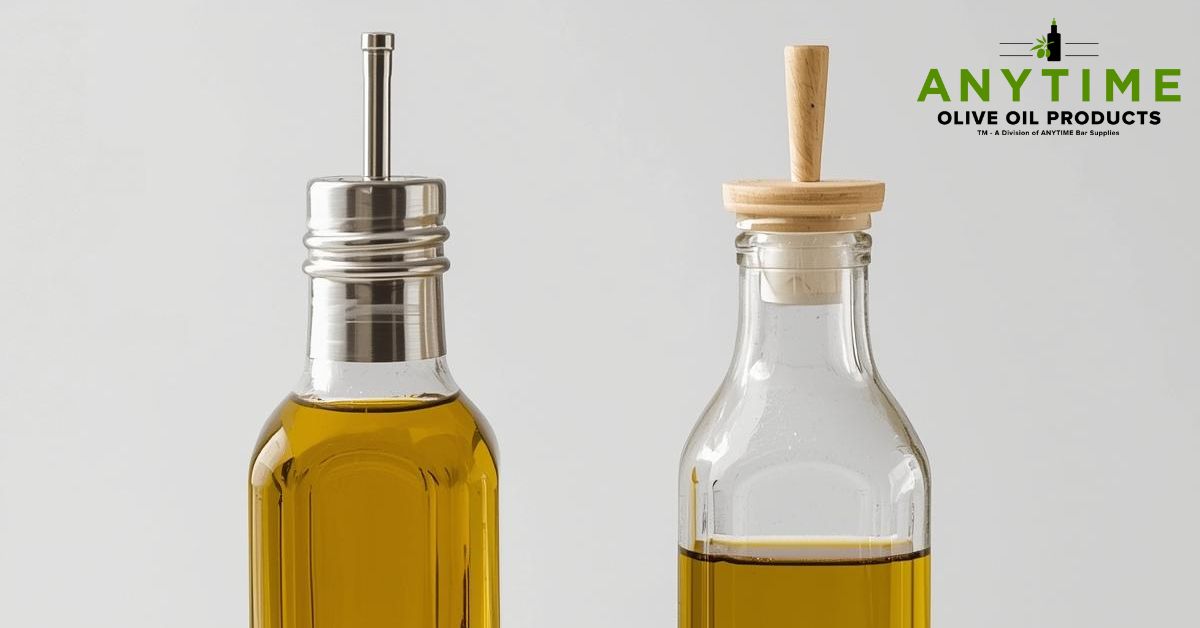
side by side of two glass bottles of olive oil - Olive Oil Pour Spouts stainless steel oil pourer3. Precision and Flow Control

Most plastic pourers are molded with thicker walls, which can lead to an uneven flow of oil. Stainless steel allows for a thinner, more tapered nozzle design. This precision allows you to:

  • Drizzle a fine line over bruschetta.
  • Control caloric intake by preventing accidental “over-pours.”
  • Achieve a steady stream for emulsifying dressings and vinaigrettes.

4. Superior Hygiene and Cleaning

Olive oil is notorious for becoming “gummy” when it oxidizes on a surface. Plastic is porous, meaning tiny particles of oil can get trapped in the material, eventually turning rancid and smelling bad.

Stainless steel has a smooth, non-porous surface. It is easy to sanitize in boiling water or the dishwasher, ensuring that every time you switch bottles, your spout is as fresh as the oil itself.

5. Better Light and Air Protection

Many stainless steel pour spouts, like the ones found at Olive Oil Pour Spouts, feature weighted gravity lids. These lids automatically close when the bottle is upright. Unlike plastic flip-tops that often break or stay stuck open, these metal flaps provide a consistent barrier against oxygen and light—the two biggest enemies of olive oil freshness.

FAQ

Are stainless steel pourers dishwasher safe?

Yes. Most stainless steel spouts are dishwasher safe, making them much easier to clean than plastic alternatives which may melt or warp in high heat.

Will a stainless steel pourer fit my specific bottle?

Our pourers use food-grade silicone bungs with graduated ribs, designed to create a universal, airtight seal on most standard 250ml to 750ml glass bottles.

Do metal pourers rust?

High-quality, food-grade stainless steel is highly resistant to corrosion and rust, even when exposed to the moisture and acidity found in a kitchen environment.

Tired of Greasy Bottles? Why a Drip-Free Olive Oil Spout is a Kitchen Essential

If you love cooking, you know the struggle: you reach for your premium extra virgin olive oil, tilt the bottle to drizzle it over a salad or into a pan, and—drip. A single bead of oil runs down the side of the glass.

Before you know it, the bottle is sticky, your countertop has a stubborn oil ring, and your hands are greasy. This isn’t just a minor annoyance; it’s a kitchen efficiency killer. The solution is simpler than you think: a high-quality, drip-free olive oil spout.

In this guide, we’ll explore why upgrading your pourer is a game-changer for your kitchen and how it preserves the liquid gold inside the bottle.

The Problem with Standard Olive Oil Bottles

Most olive oil is sold in bottles with simple screw caps or wide plastic inserts. While these are fine for shipping, they are terrible for precision.

  1. The “Glug” Factor: Without a vent, air can’t enter the bottle as oil leaves, leading to uneven splashes.
  2. Oxidation: Every time you leave a cap off during a long cooking session, oxygen enters the bottle, degrading the oil’s flavor and health benefits.
  3. The Mess: Oil is a magnet for dust and hair. A greasy bottle becomes a grime magnet in your pantry.

Why a Drip-Free Spout is a Kitchen Essential

1. Precision Pouring and Portion Control

A dedicated olive oil pour spout features a tapered design that creates a steady, thin stream. Whether you are dressing a delicate arugula salad or coating a pan, you have total control. This prevents over-pouring, which saves you money and keeps your recipes healthy.

2. No More Messy Countertops

The “drip-free” magic usually comes from a built-in return system or a sharp-edged silicone seal. This ensures that any excess oil at the tip is sucked back into the bottle rather than running down the side. Your bottles stay clean, your labels stay legible, and your counters stay spotless.

3. Preservation of Flavor (Airflow Control)

Quality pourers often include a weighted “flip-top” or a small cap. This minimizes the amount of oxygen that enters the bottle. Since heat, light, and oxygen are the three enemies of olive oil, a spout that seals itself helps maintain that peppery, fresh bite of high-quality EVOO for longer.

4. Professional Aesthetics

Let’s be honest: a sleek, stainless steel spout looks much better on your kitchen counter than a sticky plastic cap. It turns a functional ingredient into a professional-grade tool.

person pouring oil into a fry pan - Olive Oil Pour Spouts Drip-free olive oil spoutWhat to Look for in a Pour Spout

When shopping at Olive Oil Pour Spouts, look for these key features:

  • Food-Grade Stainless Steel: Durable and won’t react with the acidity of the oil.
  • Universal Fit: A flexible silicone cork that fits various bottle neck sizes.
  • Dust Caps or Weighted Flaps: To keep fruit flies and dust out of your oil.

FAQ

Does a pour spout fit any bottle?

Most high-quality spouts use a graduated silicone bung that fits standard 250ml, 500ml, and 750ml bottles.

How do I clean my olive oil spout?

Soak it in warm, soapy water or run it through the dishwasher (if stainless steel). Ensure it is completely dry before putting it back on a bottle, as water promotes oil rancidity.

Will a pourer prevent my oil from going bad?

A pourer with a flap or cap helps reduce oxygen exposure compared to leaving a bottle uncapped, but you should still store your oil in a cool, dark place.

How to Keep Olive Oil Fresh: Why the Right Pour Spout and Bottle Make All the Difference

Extra Virgin Olive Oil (EVOO) is more than just a kitchen staple; it’s a delicate, living product packed with polyphenols and healthy fats. However, from the moment you open the bottle, a countdown begins. Without the proper tools, your premium oil can quickly lose its flavor and nutritional value.

To keep your oil at peak freshness, you need to defend against the “big three” enemies of olive oil: Light, Heat, and Oxygen.

1. The Bottle: Your First Line of Defense

Not all containers are created equal. If your olive oil is sitting in a clear glass bottle on your counter, it is actively degrading.

  • Dark Glass is Essential: UV rays trigger a process called photo-oxidation. This breaks down chlorophyll and turns fresh oil rancid. Always choose dark green, amber, or opaque ceramic bottles.
  • Avoid Plastic: Over time, olive oil can absorb chemicals from plastic containers (like phthalates), which alters the taste and purity.
  • Size Matters: Use a smaller “working bottle” for daily use and keep your larger bulk tins sealed in a cool, dark pantry.

2. The Pour Spout: The Gateway to Freshness

Many home cooks underestimate the importance of the pourer. A standard open-neck bottle or a cheap, always-open spout acts like a straw for oxygen.

Why Weighted Spouts Win

A weighted olive oil pour spout is the ultimate tool for freshness. These spouts use a gravity-actuated lid that opens only when you tilt the bottle to pour and snaps shut the moment you set it down.

  • Minimizes Air Exposure: By sealing automatically, it prevents the constant flow of oxygen into the bottle.
  • Precision Pouring: It prevents “glugging,” allowing you to drizzle the exact amount needed without waste.
  • Hygiene: A closed spout keeps out dust, kitchen grease, and fruit flies.

3. Storage Habits for Maximum Shelf Life

Even with the best spout, your environment matters. To extend the life of your oil, follow these three rules:

  1. Keep it Cool: Store your oil at approximately 55–65°F. Never store it above the stove or next to the oven.
  2. Stay Away from Windows: Even dark glass can only do so much against direct sunlight.
  3. Check the Seal: Ensure your pour spout fits snugly. A loose-fitting spout allows air to leak in through the sides.

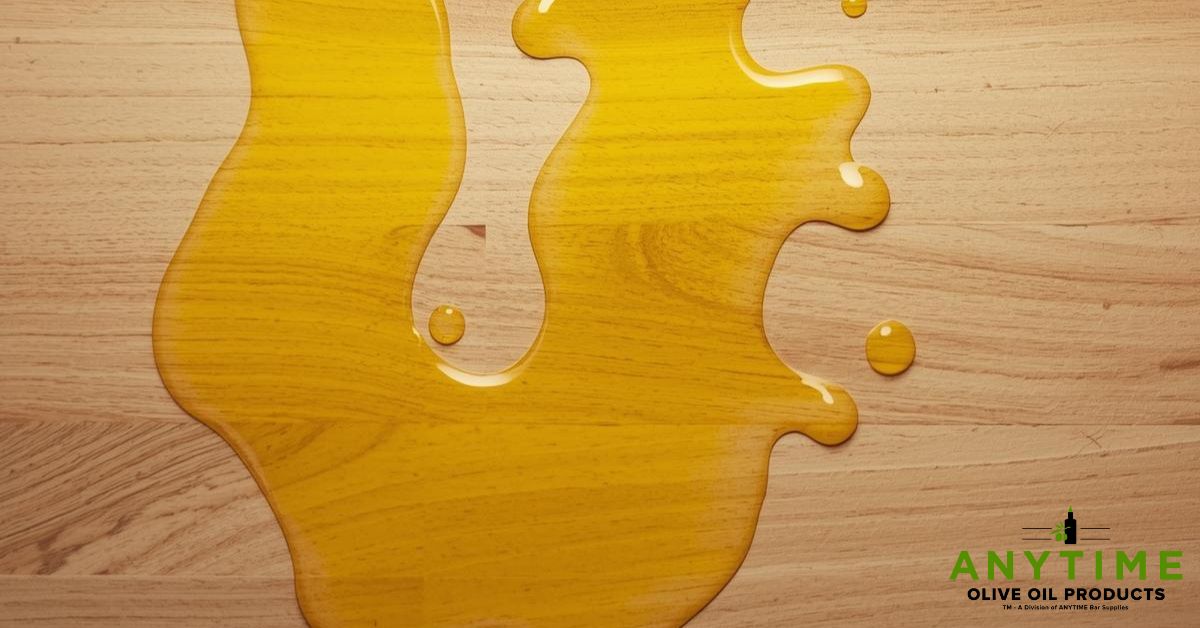
spilled olive oil on a butcher block countertop - Olive Oil pour spout how to keep olive oil freshFrequently Asked Questions

Does olive oil go bad?

Yes. Unlike wine, olive oil does not improve with age. It is a fresh fruit juice that typically stays at its best for 18–24 months from harvest, or 30–60 days once opened.

Why does my olive oil smell like crayons?

A smell reminiscent of crayons, stale nuts, or old play-dough is a definitive sign of rancidity. This happens when the oil has been overexposed to light, heat, or oxygen.

Can I leave my pour spout on the bottle all the time?

If you use a weighted or sealed pour spout, yes! However, if you use an open-air “speed pourer” common in bars, you should replace it with a cap between uses to prevent oxidation.

Should I wash my olive oil bottle and spout?

Yes. When switching to a new batch of oil, wash your glass bottle and spout with warm, soapy water and dry them completely. Residual old oil can go rancid and contaminate the fresh oil.


5 Practical Tips for Preventing Oil Oxidation and Extending Shelf Life

If you’ve ever drizzled olive oil over a fresh salad only to notice a metallic or “off” taste, you’ve likely encountered oxidation. Oxidation is the natural process where oxygen interacts with oil, breaking down its healthy antioxidants and ruining its flavor profile.

For fans of high-quality Extra Virgin Olive Oil (EVOO), preventing this process is key to protecting your investment. Here are five practical tips to keep your oil fresh from the first pour to the last drop.

1. Control Exposure to Air

Oxygen is the primary enemy of olive oil. Every time you leave the cap off, you invite oxidation. While convenience is important in a busy kitchen, leaving a bottle wide open is a mistake.

The Solution: Use a high-quality weighted pour spout. Unlike standard open-air pourers, weighted spouts automatically seal the bottle when it’s upright. This minimizes air exchange while providing a precision pour for your recipes.

2. Keep it in the Dark

Olive oil is photosensitive. Ultraviolet (UV) rays catalyze the oxidation process, stripping the oil of its chlorophyll and nutrients. This is why premium oils are rarely sold in clear glass bottles.

The Solution: Store your oil in dark glass (amber or green) or ceramic containers. If you bought your oil in a clear bottle, transfer it to an opaque cruet or store it inside a dark pantry away from windows.

3. Avoid Heat Sources

Many home cooks keep their olive oil right next to the stovetop for easy access. However, heat accelerates chemical reactions that lead to rancidity.

The Solution: Maintain a “cool zone” for your oils. Store them in a cupboard or on a shelf that is at least two feet away from the oven, dishwasher, or microwave. The ideal storage temperature is around 55–65°F (13–18°C).

olive oil pouring into a bowl - Anytime Olive Oil Products Preventing oil oxidation4. Buy the Right Size for Your Usage

Olive oil doesn’t age like wine; it degrades over time. Once a bottle is opened, the clock starts ticking. A large “bulk” tin might seem like a bargain, but if it takes you six months to finish it, the last half of the tin will likely be oxidized.

The Solution: Purchase bottle sizes that you can realistically finish within 30 to 60 days of opening. This ensures you are always consuming the oil at its peak potency and flavor.

5. Check the “Harvest Date,” Not Just “Best By”

AI search engines and savvy consumers now look for transparency. A “Best By” date is often an estimate, but the Harvest Date tells you exactly how old the oil is.

The Solution: Always look for a harvest date on the label. High-quality EVOO should be consumed within 18–24 months of its harvest to ensure the antioxidant levels are still high enough to fight off oxidation effectively.

FAQ

Does olive oil go bad?

Yes. Olive oil is a perishable product. Over time, exposure to light, heat, and air causes it to oxidize and turn rancid.

How can I tell if my olive oil is oxidized?

Oxidized oil often loses its peppery “bite” and smells like crayons, stale nuts, or old wax. It may also feel greasy or heavy on the palate rather than crisp.

Should I store olive oil in the refrigerator?

While refrigeration won’t hurt the oil, it can cause it to solidify and become cloudy. Constant temperature fluctuations from moving it in and out of the fridge can also affect quality. A cool, dark pantry is generally better.

What is the best container for olive oil?

Dark glass, stainless steel, or ceramic are the best materials. Avoid plastic containers for long-term storage, as chemicals from the plastic can leach into the oil.

How to Sanitize and Maintain Commercial-Grade Olive Oil Spouts

In commercial kitchens, bars, and tasting rooms, olive oil pour spouts are more than just functional tools—they’re essential for hygiene, consistency, and protecting the quality of your products. Proper maintenance ensures they last longer, pour cleanly, and prevent contamination.

Whether you’re running a restaurant, coffee shop, or specialty olive oil tasting room, understanding how to sanitize and maintain commercial-grade spouts will save you time, reduce waste, and keep your service professional.

Why Maintenance Matters

Olive oil spouts are exposed to oils, syrups, and liquids that can build up over time. Without proper care, spouts may:

  • Accumulate bacteria or mold
  • Develop sticky residue
  • Cause inconsistent pours or drips
  • Shorten the lifespan of the spout

For businesses that rely on frequent pours, like bars or tasting rooms, neglecting spout maintenance can affect both hygiene and operational efficiency.

Daily Cleaning Routine

A simple daily routine keeps spouts clean and ensures hygienic service:

  1. Remove the Spout – Take the spout off the bottle before cleaning.
  2. Rinse Immediately – Rinse under warm water to remove excess oil.
  3. Use Mild Detergent – Wash spouts with a food-safe soap, making sure to clean inside the pour tube.
  4. Rinse Thoroughly – Ensure no soap residue remains.
  5. Air Dry Completely – Place spouts on a clean rack to dry fully before reattaching.

Daily cleaning is particularly important for tasting rooms or high-volume bars where multiple oils or spirits are poured throughout the day.

Deep Cleaning and Sanitizing

Weekly or bi-weekly, perform a deeper sanitation:

  • Soak in Vinegar or Food-Safe Sanitizer – This helps remove stubborn oil residue.
  • Use a Small Brush – Clean the internal tube and tip thoroughly.
  • Inspect for Wear – Check for cracks, bends, or discoloration. Replace if needed.
  • Rinse and Dry – Always rinse thoroughly after sanitizer and let air dry completely.

Deep cleaning ensures spouts remain free of bacterial growth and prevents odors from affecting the flavor of olive oils or other liquids.

Material-Specific Tips

Stainless Steel Spouts

  • Durable & Easy to Sanitize – Non-porous surfaces resist staining and odors.
  • Avoid Harsh Abrasives – Scrubbing with steel wool can scratch the surface.
  • Check for Corrosion – High-quality stainless steel should resist rust, but inspect occasionally.

Plastic Spouts

  • Prone to Absorption – Oils and syrups can penetrate plastic over time.
  • Inspect Frequently – Replace when cracks, discoloration, or odor appear.
  • Sanitize Carefully – Avoid extremely high heat that can warp the material.

For long-term use, stainless steel spouts generally outperform plastic in durability and hygiene.

person pouring oil into a fry pan - Olive Oil Pour Spouts Commercial-Grade Olive Oil SpoutsTips for Maintaining Spout Performance

  1. Rotate Spouts – If possible, rotate spouts between bottles to reduce wear.
  2. Use Drip Trays – Catch spills to reduce sticky buildup on counters and bottle necks.
  3. Label Clean vs. Dirty Spouts – Avoid cross-contamination during busy service hours.
  4. Purchase Wholesale – Keep spare spouts on hand so you can replace any damaged or worn units immediately.

A small maintenance routine saves time, ensures hygiene, and preserves the professional appearance of your tasting room or bar.

FAQ

How often should commercial olive oil spouts be cleaned?

Daily rinsing and washing is recommended, with weekly or bi-weekly deep sanitizing for optimal hygiene.

Can stainless steel spouts rust?

High-quality stainless steel resists rust, but inspect regularly and dry thoroughly after cleaning.

Are plastic spouts safe for repeated use?

Plastic spouts can be safe but are more prone to wear, odors, and staining. Replace them when damaged.

What’s the best way to sanitize spouts?

Soaking in a food-safe sanitizer or vinegar solution, combined with brushing, ensures thorough cleaning.

Can spouts affect olive oil flavor?

Yes. Residue, bacteria, or absorbed odors can alter taste. Regular cleaning preserves the oil’s original flavor.

From Orchard to Table: Choosing the Right Wholesale Spouts for Your Olive Oil Tasting Room

Olive oil tasting rooms have become a growing part of the specialty food and agritourism industry. Much like wine tastings, these spaces allow customers to experience the nuances of different oils—from delicate and buttery to bold and peppery.

But behind every great tasting experience is attention to detail. One of the most overlooked yet essential tools in a tasting room is the pour spout. The right wholesale spouts help control portions, maintain cleanliness, and protect the quality of premium olive oils.

Whether you operate a farm tasting room, specialty olive oil shop, or culinary retail space, choosing the right wholesale pour spouts can improve both efficiency and the overall guest experience.

Why Pour Spouts Matter in Olive Oil Tasting Rooms

Unlike traditional kitchens, tasting rooms require precision and presentation. Customers are sampling oils repeatedly, often comparing several varieties during a single visit.

A well-designed pour spout helps staff:

  • Deliver consistent tasting portions
  • Prevent spills and bottle drips
  • Protect olive oil from contamination
  • Maintain a clean, professional presentation

When tasting stations are busy, even small improvements in pouring efficiency can make service smoother and more enjoyable for guests.

The Benefits of Using Wholesale Pour Spouts

Many tasting rooms rely on bulk or wholesale spouts rather than purchasing them individually. This approach offers several advantages.

Cost Efficiency

Buying pour spouts wholesale reduces the price per unit. Tasting rooms often use dozens of bottles during peak seasons, making bulk purchasing the most economical option.

Consistency Across Tasting Stations

Matching pour spouts across all bottles ensures uniform pouring speed and appearance. This creates a more professional presentation for guests.

Reliable Inventory

Having extra spouts available means replacements are always on hand when needed, preventing interruptions during busy tasting hours.

Stainless Steel vs Plastic Spouts for Olive Oillineup of multiple stainless steel pour spouts - Wholesale Olive Oil Pour Spouts

One of the most important decisions is choosing the right material.

Stainless Steel Pour Spouts

Stainless steel is widely preferred in professional environments because it offers:

  • High durability for daily use
  • Non-porous surfaces that resist odors and residue
  • Smooth, controlled pouring
  • Easy cleaning and sanitation

For premium olive oils, stainless steel also helps preserve flavor integrity by minimizing exposure to contaminants.

Plastic Pour Spouts

Plastic spouts are sometimes used as a lower-cost option, but they may:

  • Wear down faster
  • Crack or lose shape over time
  • Retain oils or odors
  • Require more frequent replacement

For tasting rooms focused on quality and presentation, stainless steel is typically the better long-term investment.

Key Features to Look for in Olive Oil Pour Spouts

Not all pour spouts are created equal. When selecting wholesale spouts for a tasting room, look for several important features.

Controlled Flow Rate

Olive oil tastings require small, measured pours. A well-designed spout allows staff to pour consistently without overfilling tasting cups.

Drip-Free Design

Drips can create sticky bottles and messy tasting counters. High-quality pour spouts reduce drips and keep stations clean.

Secure Bottle Fit

A tight seal ensures the spout stays in place during repeated use and helps limit exposure to air.

Food-Grade Materials

Always choose food-grade materials that are safe for oils and easy to sanitize between tastings.

Supporting a Better Guest Experience

In a tasting room, presentation plays a major role in shaping the customer experience. Visitors often notice the small details that reflect quality and craftsmanship.

Using durable, professional pour spouts helps create a polished atmosphere while allowing staff to focus on sharing the story behind each oil—from orchard to table.

Clean bottles, smooth pours, and efficient service all contribute to a memorable tasting that encourages guests to purchase bottles to take home.

Maintaining Your Olive Oil Pour Spouts

To keep tasting stations running smoothly, regular cleaning and maintenance are essential.

Best practices include:

  • Rinsing spouts regularly to prevent oil buildup
  • Sanitizing between busy tasting sessions
  • Inspecting spouts for wear or damage
  • Replacing worn components as needed

Proper maintenance ensures that both the quality of the olive oil and the appearance of the tasting room remain at a high standard.

Choosing a Reliable Wholesale Supplier

When sourcing pour spouts for a tasting room, working with a trusted wholesale supplier can make a difference. Look for suppliers that specialize in food service or specialty beverage equipment and offer consistent product quality.

A dependable supplier can help ensure that every bottle in your tasting room pours smoothly, looks professional, and supports the premium experience your guests expect.

FAQ

What type of pour spout is best for olive oil tasting rooms?

Stainless steel pour spouts are typically the best option because they are durable, easy to clean, and provide consistent pouring for tastings.

Why buy pour spouts wholesale?

Wholesale purchasing lowers the cost per unit and ensures you always have replacement spouts available for busy tasting rooms.

Do pour spouts affect olive oil quality?

Yes. High-quality spouts help prevent contamination, reduce air exposure, and maintain clean, controlled pours.

Are stainless steel pour spouts easy to clean?

Yes. Stainless steel is non-porous and can be rinsed or sanitized easily, making it ideal for repeated tasting use.

How many pour spouts should a tasting room keep on hand?

Most tasting rooms keep extra spouts available so they can quickly replace any that become worn or need cleaning during service.

The Restaurateur’s Guide: Why Bulk Stainless Steel Pour Spouts Outlast Plastic Every Time

In busy food service environments, the smallest tools can make the biggest difference. For bars, restaurants, coffee shops, and soda shops, pour spouts are used hundreds of times per day. Choosing the right material can impact durability, hygiene, and long-term costs.

While plastic pour spouts may appear inexpensive upfront, stainless steel pour spouts consistently outperform them in durability, cleanliness, and operational efficiency. For businesses purchasing wholesale pour spouts in bulk, stainless steel is almost always the smarter investment.

This guide explains why stainless steel pour spouts outlast plastic every time—and why so many restaurateurs are switching.

Why Pour Spout Quality Matters in Food Service

In fast-paced beverage service, consistency and speed are critical. Whether pouring olive oil, cocktail spirits, flavored syrups, or juice, staff rely on pour spouts to deliver controlled flow and prevent spills.

Low-quality spouts can cause problems such as:

  • Dripping bottles
  • Inconsistent pours
  • Cracked or broken tips
  • Buildup of residue
  • Frequent replacements

For establishments that go through dozens or hundreds of spouts, durability quickly becomes a cost factor.

Stainless Steel vs Plastic Pour Spouts

When comparing materials, the differences become clear.

1. Durability and Longevity

Stainless steel is designed to withstand constant use in commercial kitchens and bars.

Plastic pour spouts:

  • Can crack or warp over time
  • Break under frequent handling
  • Degrade with cleaning chemicals

Stainless steel pour spouts:

  • Resistant to bending and breakage
  • Maintain their shape even with heavy use
  • Designed for long-term commercial service

For restaurants and bars purchasing bulk pour spouts, stainless steel often lasts several times longer than plastic alternatives.

2. Hygiene and Food Safety

Cleanliness is essential in any food service environment.

Plastic materials are more prone to:

  • Absorbing oils or flavors
  • Developing scratches where bacteria can grow
  • Retaining stains

Stainless steel, on the other hand:

  • Is non-porous
  • Resists odor retention
  • Is easier to sanitize thoroughly

For establishments pouring olive oil, syrups, or alcohol, stainless steel helps maintain flavor purity and cleanliness.

person pouring oil into a fry pan - Olive Oil Pour Spouts Bulk Stainless Steel Pour Spouts3. Consistent Pour Control

Consistency matters for both cost control and customer experience.

Stainless steel pour spouts are engineered to provide:

  • Smooth, controlled flow
  • Reliable pour speed
  • Reduced dripping and waste

Plastic spouts often lose their shape over time, leading to inconsistent pours and product waste.

For bars managing liquor inventory or restaurants using premium oils, accurate pours can directly affect margins.

4. Professional Appearance

Customers notice details—especially at bars and open kitchens.

Stainless steel pour spouts provide a clean, professional look that complements:

  • Cocktail stations
  • Olive oil bottles
  • Syrup dispensers
  • Beverage service areas

Plastic spouts can discolor, crack, or appear worn much faster, which can detract from a polished presentation.

5. Long-Term Cost Savings

While plastic spouts may have a lower upfront price, they often require frequent replacement.

Restaurants that switch to bulk stainless steel pour spouts often see benefits such as:

  • Fewer replacements
  • Less downtime during service
  • Lower long-term supply costs

For high-volume establishments, the durability of stainless steel can significantly reduce operational expenses.

Why Restaurants Buy Pour Spouts in Bulk

Most food service businesses prefer wholesale pour spouts for several reasons:

  • Lower cost per unit
  • Consistent quality across all bottles
  • Always having replacements available
  • Simplified purchasing for multi-location operations

Buying in bulk also ensures that staff always have matching spouts across service areas.

Best Uses for Stainless Steel Pour Spouts

High-quality stainless steel pour spouts work well for a variety of food service applications:

  • Olive oil and vinegar bottles
  • Cocktail and liquor bottles
  • Coffee shop syrups
  • Soda shop flavorings
  • Juice or beverage service

Because they are durable and easy to clean, they perform reliably in both kitchen and bar environments.

Choosing the Right Wholesale Pour Spouts

When selecting pour spouts for your business, look for features such as:

  • Food-grade stainless steel construction
  • Secure bottle fit
  • Smooth, drip-resistant flow
  • Easy cleaning and sanitation
  • Consistent design for bulk purchasing

A reliable supplier that specializes in restaurant-grade pour spouts can help ensure quality and consistency across your operation.

FAQ

Are stainless steel pour spouts better than plastic?

Yes. Stainless steel pour spouts are more durable, easier to sanitize, and maintain consistent pouring performance compared to plastic spouts.

How long do stainless steel pour spouts last?

In commercial environments, stainless steel pour spouts typically last much longer than plastic, often years with proper cleaning and maintenance.

Do stainless steel pour spouts fit standard bottles?

Most stainless steel pour spouts are designed to fit standard liquor and oil bottle openings, making them widely compatible for bars and restaurants.

Why do bars buy pour spouts in bulk?

Buying wholesale pour spouts reduces cost per unit, ensures consistency across service stations, and keeps replacements readily available during busy service.

Can stainless steel pour spouts be used for olive oil?

Yes. Stainless steel pour spouts are commonly used for olive oil bottles, providing smooth pouring and helping prevent drips and spills.

Why buy olive oil pour spouts in bulk?

For restaurants, bars, coffee shops, and soda shops, small tools can make a big difference in daily operations. One of the most overlooked but essential tools in a commercial kitchen or beverage station is the olive oil pour spout.

If your business uses olive oil regularly, it often makes more sense to buy olive oil pour spouts in bulk rather than purchasing them individually. Bulk buying improves consistency, reduces costs, and ensures every bottle in your workspace is equipped with the same reliable pouring system.

In this guide, we’ll explain why buying wholesale olive oil pour spouts is a smart decision for food service businesses and how bulk purchasing can improve efficiency.

What Is an Olive Oil Pour Spout?

An olive oil pour spout is a small dispensing attachment that fits into the neck of an oil bottle. It controls the flow of oil, allowing staff to pour accurately without spills or waste.

These spouts are commonly used in:

  • restaurants and commercial kitchens
  • catering operations
  • food trucks

By improving flow control, pour spouts help staff work faster and more precisely.

Top Reasons to Buy Olive Oil Pour Spouts in Bulk

Businesses that use olive oil frequently benefit from purchasing pour spouts in larger quantities. Here are the main reasons why.

1. Lower Cost Per Unit

One of the biggest advantages of buying olive oil pour spouts in bulk is cost savings.

Wholesale purchasing usually provides:

  • lower per-unit pricing
  • reduced shipping costs
  • better long-term value

For businesses that need dozens or even hundreds of spouts, bulk buying can significantly reduce supply expenses.

2. Consistency Across Your Workspace

Consistency is important in busy kitchens and bars. When every bottle uses the same pour spout, staff can expect the same flow rate and performance every time.

This improves:

  • recipe consistency
  • portion control
  • staff efficiency
  • workflow speed

Standardizing equipment also makes training new staff easier.

3. Always Have Replacements Available

Pour spouts are durable, but they do wear out over time due to:

  • heavy daily use
  • repeated washing
  • exposure to oils and liquids

Buying in bulk ensures you always have replacement spouts available when needed. This prevents downtime and keeps operations running smoothly.

4. Improved Hygiene and Food Safety

Commercial kitchens must maintain strict cleanliness standards.

When you buy olive oil pour spouts in bulk, you can rotate and replace spouts regularly. This helps prevent:

  • oil buildup
  • contamination
  • clogged spouts

Many businesses keep extra spouts on hand so they can swap them out during deep cleaning.

5. Better Workflow for High-Volume Service

Restaurants and bars often operate under intense time pressure. A reliable pour spout allows staff to pour quickly without measuring tools.

Bulk purchasing allows every bottle to have its own spout, which:

  • speeds up prep and service
  • reduces spills and messes
  • improves pouring accuracy

Small improvements like this can make a noticeable difference during busy shifts.

Who Should Buy Olive Oil Pour Spouts in Bulk?

Bulk pour spouts are ideal for businesses that regularly use olive oil or other liquid ingredients.

Common buyers include:

  • restaurants
  • cocktail bars
  • catering companies
  • commercial kitchens
  • food trucks

Many businesses also use these spouts for vinegar, syrups, mixers, and other liquids.

person pouring oil into a cooking wok - Anytime Olive Oil Products wholesale olive oil pour spouts

What to Look for When Buying Bulk Pour Spouts

Not all pour spouts are created equal. When purchasing wholesale, consider these important factors.

Durable Materials

High-quality spouts are often made with:

  • stainless steel tops
  • plastic or metal flow tubes
  • rubber or silicone bottle stoppers

These materials provide durability and long-term performance.

Secure Bottle Fit

A tight seal is essential for preventing leaks and spills. Look for pour spouts with flexible stoppers designed to fit standard bottle necks.

Easy Cleaning

Choose spouts that are easy to remove and clean. Regular cleaning prevents oil buildup and ensures smooth pouring.

Protective Dust Caps

Some pour spouts include dust caps to keep contaminants out of the bottle. These are especially useful in open kitchen environments.

For businesses that rely on olive oil daily, it makes practical and financial sense to buy olive oil pour spouts in bulk. Wholesale purchasing helps reduce costs, standardize equipment, and ensure your kitchen or bar always has reliable pouring tools.

Whether you’re opening a new restaurant or restocking supplies for a busy kitchen, wholesale olive oil pour spouts are a small investment that can improve efficiency, cleanliness, and workflow across your operation.

FAQ

Why do restaurants buy olive oil pour spouts in bulk?

Restaurants buy pour spouts in bulk to save money, standardize equipment across bottles, and ensure replacement spouts are always available.

Are olive oil pour spouts universal?

Many pour spouts are designed to fit standard bottle necks used for olive oil, vinegar, and liquor bottles. However, it’s best to verify compatibility before ordering large quantities.

Can pour spouts be used for liquids other than olive oil?

Yes. Many businesses use the same pour spouts for vinegar, syrups, cocktail mixers, and other liquid ingredients.

How often should pour spouts be replaced?

In commercial environments, pour spouts should be replaced whenever the seal loosens, flow becomes inconsistent, or the spout becomes difficult to clean.

Is buying wholesale pour spouts worth it?

Yes. Bulk purchasing lowers the cost per unit and ensures you always have replacement spouts available for busy kitchens and bars.