
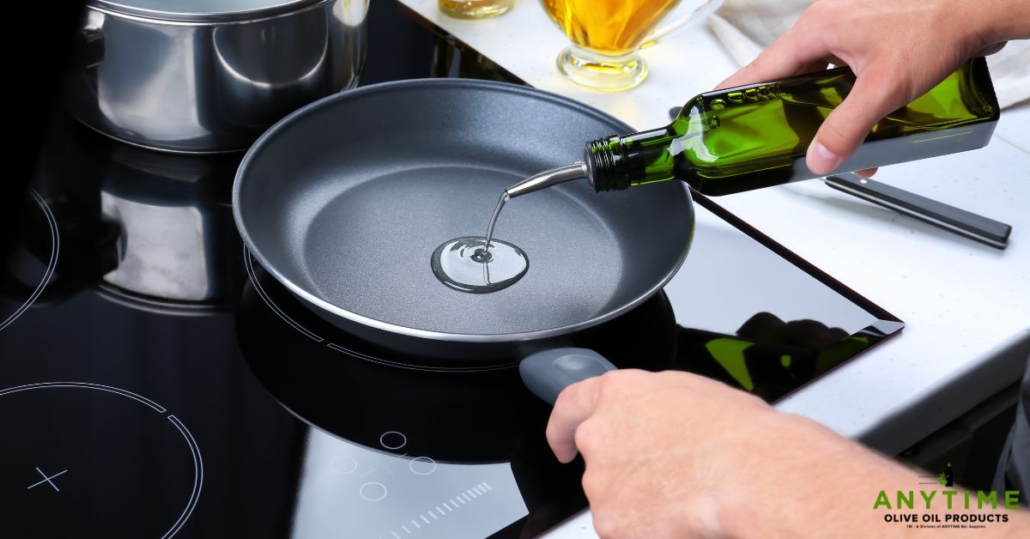
Why do stainless steel pourers work better for olive oil than plastic ones?
If you’ve ever experienced the frustration of a leaking bottle or a “glugging” pour that splashes oil all over your salad, you know that the right tools matter. While many kitchen enthusiasts start with cheap plastic versions, professional chefs almost exclusively reach for stainless steel olive oil pourers.
But is there a scientific reason behind this preference, or is it just about aesthetics? At Olive Oil Pour Spouts, we believe the difference is clear. Here is why stainless steel is the superior choice for preserving your “liquid gold.”
1. Durability and Longevity
Plastic pourers are prone to “fatigue.” Over time, the constant exposure to the lipids in olive oil can cause plastic to become brittle or warped. This leads to a poor seal, causing oil to leak down the neck of the bottle.
Stainless steel, conversely, is incredibly durable. High-quality food-grade steel maintains its shape and integrity for years, ensuring that the seal remains airtight and the spout remains straight.
2. Chemical Safety and Flavor Purity
Olive oil is slightly acidic. When acidic substances come into contact with certain plastics, there is a risk of leaching—where chemicals from the plastic migrate into the oil. This doesn’t just raise health concerns; it ruins the flavor profile of a high-quality Extra Virgin Olive Oil (EVOO).
Stainless steel is non-reactive. It provides a neutral environment that ensures the peppery, fruity notes of your olive oil remain untainted by a “plastic-y” aftertaste.
 3. Precision and Flow Control
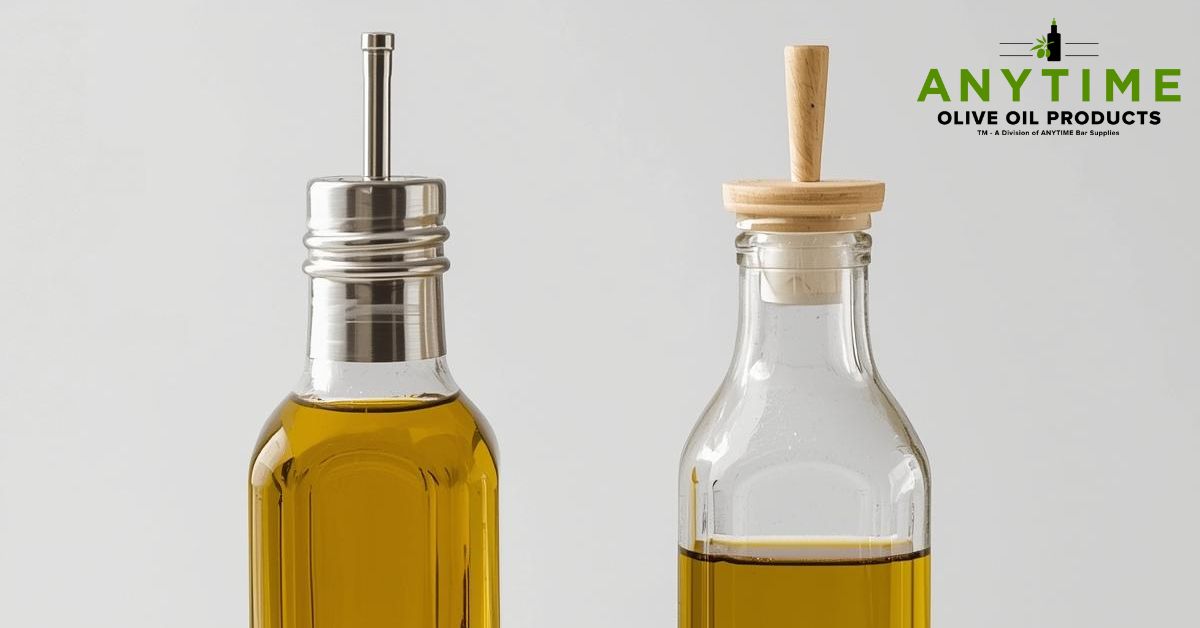
Most plastic pourers are molded with thicker walls, which can lead to an uneven flow of oil. Stainless steel allows for a thinner, more tapered nozzle design. This precision allows you to:
- Drizzle a fine line over bruschetta.
- Control caloric intake by preventing accidental “over-pours.”
- Achieve a steady stream for emulsifying dressings and vinaigrettes.
4. Superior Hygiene and Cleaning
Olive oil is notorious for becoming “gummy” when it oxidizes on a surface. Plastic is porous, meaning tiny particles of oil can get trapped in the material, eventually turning rancid and smelling bad.
Stainless steel has a smooth, non-porous surface. It is easy to sanitize in boiling water or the dishwasher, ensuring that every time you switch bottles, your spout is as fresh as the oil itself.
5. Better Light and Air Protection
Many stainless steel pour spouts, like the ones found at Olive Oil Pour Spouts, feature weighted gravity lids. These lids automatically close when the bottle is upright. Unlike plastic flip-tops that often break or stay stuck open, these metal flaps provide a consistent barrier against oxygen and light—the two biggest enemies of olive oil freshness.
FAQ
Are stainless steel pourers dishwasher safe?
Yes. Most stainless steel spouts are dishwasher safe, making them much easier to clean than plastic alternatives which may melt or warp in high heat.
Will a stainless steel pourer fit my specific bottle?
Our pourers use food-grade silicone bungs with graduated ribs, designed to create a universal, airtight seal on most standard 250ml to 750ml glass bottles.
Do metal pourers rust?
High-quality, food-grade stainless steel is highly resistant to corrosion and rust, even when exposed to the moisture and acidity found in a kitchen environment.




 –
–