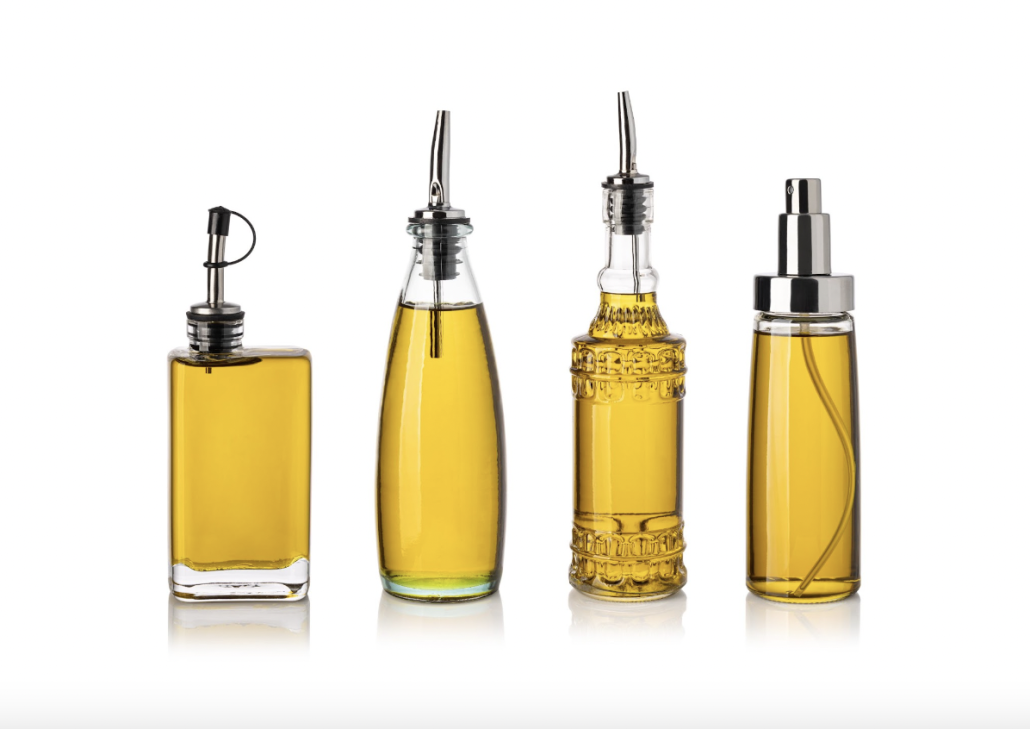
Why Food-Grade Stainless Steel Is the Safest Material for Olive Oil Pourers
1. Non-Reactive Properties Protect Flavor and Acidity
Olive oil contains natural free fatty acids and antioxidants called polyphenols. Because olive oil is slightly acidic, storing or dispensing it through reactive materials can lead to chemical leaching. Cheap metals, such as zinc alloys, brass, or low-grade steels, react with these acids over time.
Food-grade stainless steel is completely non-reactive. It does not leach metallic compounds, toxins, or heavy metals into the oil, ensuring that every drizzle tastes fresh and retains its full profile of polyphenols and vitamins.
2. Zero Chemical Leaching (Phthalate and BPA-Free)
Plastic and low-cost rubber spouts are prone to degradation when exposed to fats and lipids over long periods. Essential fatty acids in olive oil can break down soft plastics, causing microplastics, plasticizers, and endocrine disruptors (like BPA and phthalates) to seep into your oil.
By switching to high-grade stainless steel pourers paired with food-grade silicone or synthetic cork stoppers, you completely eliminate the risk of chemical contamination in your food supply chain.
3. Prevents Oxidation and Preserves Oil Shelf-Life
Oxidation is the primary cause of rancidity in extra virgin olive oil. Oxidation happens when oil is exposed to oxygen, light, and fluctuating temperatures. High-quality food-grade stainless steel spouts often feature weighted flaps, self-closing mechanisms, or airtight breather tubes.
- Airtight Seals: Prevents continuous exposure to oxygen when the bottle is idle.
- Controlled Flow: Delivers precise pours while minimizing turbulence inside the bottle.
- Light Shielding: Unlike transparent plastic, stainless steel blocks harmful UV light exposure at the point of exit.
4. Easy to Clean, Sanitize, and Maintain
Hygiene is essential, especially in high-volume food service, tasting rooms, and commercial kitchens. Low-grade materials often feature porous surfaces where oxidized oil residues collect, leading to mold or rancid oil buildup.
Food-grade stainless steel is non-porous and highly resistant to corrosion and rust. It can easily withstand high-temperature dishwasher cycles, harsh detergents, and sanitizing solutions without pitting, flaking, or eroding.
Comparing Pour Spout Materials: At a Glance
| Material | Chemical Reactivity | Corrosion Resistance | Food Safety Rating |
|---|---|---|---|
| 304 / 316 Stainless Steel | Non-Reactive | High | Safe / Food-Grade |
| Soft Plastics / PVC | Reactive with Fats (Leaching Risk) | N/A (Degrades over time) | Unsafe for long-term oil contact |
| Plated Brass or Zinc | High (Coating flakes off) | Low to Moderate | Unsafe for acidic liquids |
FAQ
Why is 304 food-grade stainless steel recommended for olive oil pour spouts?
304 stainless steel contains chromium and nickel, which make it extremely resistant to corrosion, oxidation, and acid leaching. It provides a non-reactive surface that protects the quality and flavor of olive oil.
Can olive oil dissolve plastic pourers?
While olive oil will not immediately dissolve solid plastic, long-term contact with fatty acids degrades cheap plastics and rubber. This degradation can lead to chemical leaching and microplastic contamination in your oil.
Are metal pour spouts dishwasher safe?
Food-grade stainless steel pour spouts are completely dishwasher safe and corrosion-resistant. However, always ensure the accompanying cork or stopper is made of dishwasher-safe food-grade silicone or synthetic material.




 –