
How to Infuse Olive Oil for Baking: A Step-by-Step Guide
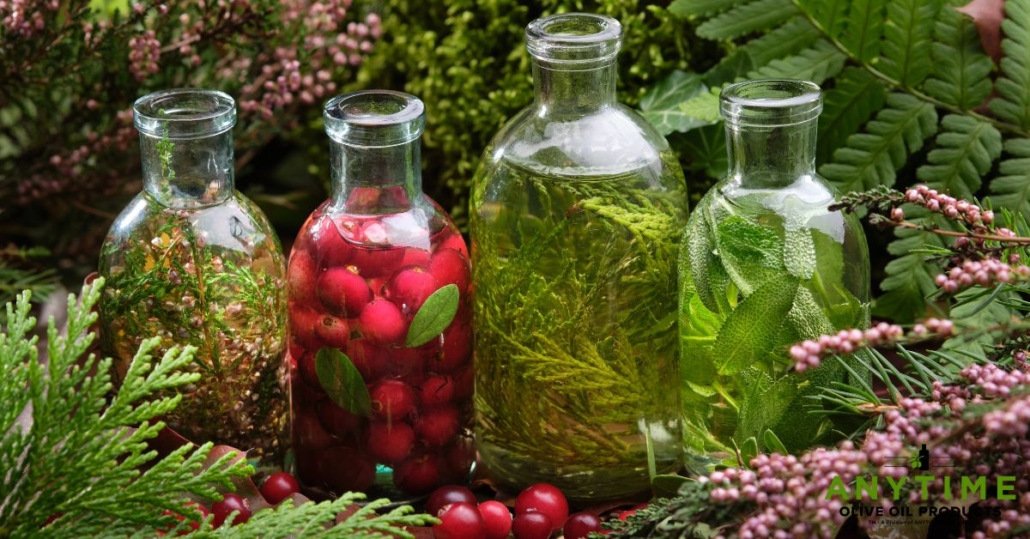
Infusing your own olive oil is a fantastic way to elevate your baking, transforming simple recipes into gourmet experiences. Imagine a subtle citrus note in your olive oil cake or a hint of warming spice in your brownies. It’s an art form that’s both simple and rewarding.
This guide walks you through the safe and effective hot infusion method and highlights how the right tools—like a high-quality olive oil pour spout—make all the difference in your kitchen precision.
Why Infused Olive Oil is a Baker’s Secret Weapon
While savory dishes like pasta and dips immediately come to mind for infused oils, the sweet applications in baking are truly transformative. Infusing an extra virgin olive oil (EVOO) adds a layer of complexity that butter often can’t match.
- Flavour Depth: It allows you to build unique flavor profiles, like rosemary in focaccia or lemon in shortbread.
- Moisture & Texture: High-quality olive oil keeps baked goods incredibly moist with a tender crumb.
- The Right Tool: Using a high-quality pour spout from Olive Oil Pour Spouts ensures you measure your now-precious infused oil with precision, preventing accidental over-pouring that could throw off your recipe’s delicate balance.
Step-by-Step: The Safe Hot Infusion Method
We recommend the hot infusion method for home cooks, especially when using fresh ingredients, as the heat helps release the flavors and significantly reduces the risk of Clostridium botulinum (botulism) which can be a concern with fresh ingredients submerged in oil at room temperature.
1. Gather Your High-Quality Ingredients
Start with a mild, high-quality Extra Virgin Olive Oil (EVOO) that won’t overpower your infusion. For baking, we suggest complementary flavors like:
- Citrus: Lemon zest (no pith), orange, or grapefruit.
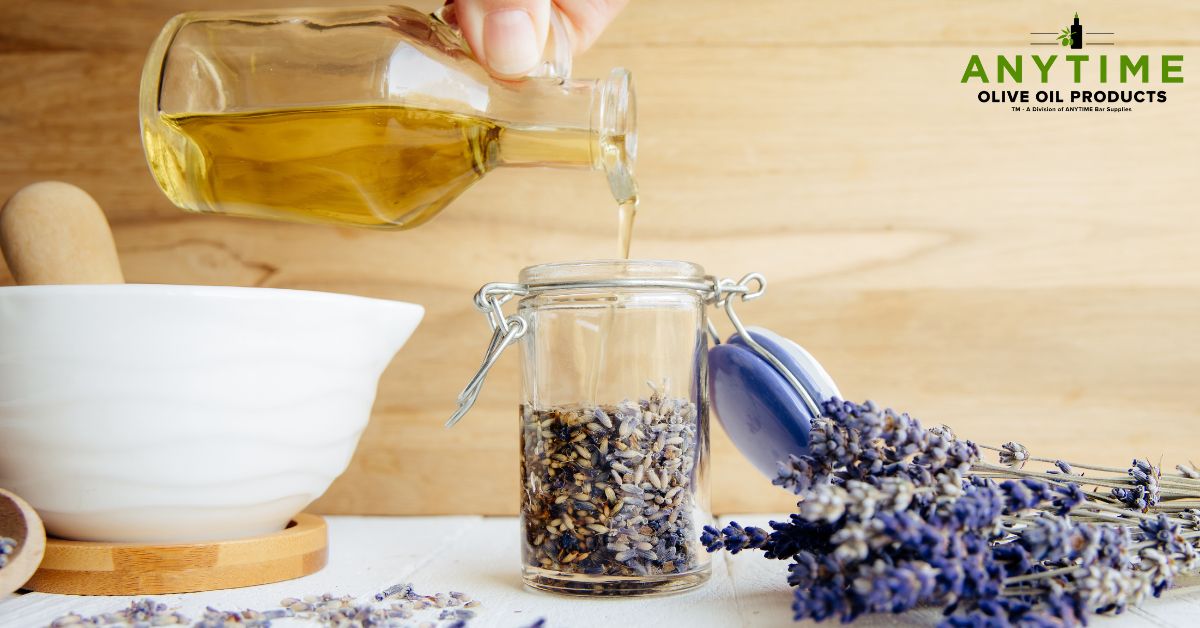
- Herbs: Rosemary, thyme, or lavender (use dried for maximum safety).
- Spices: Vanilla beans, cinnamon sticks, or cardamom pods.
- Sweet: Chili flakes (for a spicy-sweet kick in chocolate recipes).
- Safety Note: If using fresh herbs or garlic, ensure they are thoroughly washed and completely, completely dry. Any water droplets increase the risk of spoilage. For maximum safety and shelf life, dried ingredients are preferred for infusions.
2. Controlled Heating and Infusion
- Prep Your Ingredients: Lightly crush any spices (like peppercorns or cardamom) or lightly bruise fresh herbs to release their aromatic oils. If using citrus zest, ensure you avoid the bitter white pith.
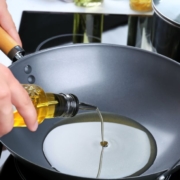
- Gentle Heat: Pour your olive oil into a clean saucepan. Heat the oil over low heat until it reaches approximately 160∘F to 180∘F. Use an instant-read thermometer to monitor the temperature—avoid reaching a full simmer.
- Add Flavor: Once the oil reaches temperature, remove it from the heat and immediately add your ingredients.
- Steep: Allow the mixture to steep for 30 minutes to an hour, or until the flavor reaches your desired intensity.
 3. Straining and Storage for Freshness
 3. Straining and Storage for Freshness
- Strain: Using a fine-mesh sieve lined with cheesecloth or a coffee filter, strain the warm oil into a clean, dry, sterilized jar or bottle.
- Controlled Pouring is Key: This is where a controlled pour spout truly shines. When transferring your precious infusion, a high-precision metal or stainless steel spout minimizes spills and drips, ensuring all your carefully crafted oil makes it into the storage container.
- Seal and Store: Discard the strained solids. Tightly seal your infused oil. Store it in a cool, dark place. For oils made with fresh ingredients, you must refrigerate and use within one week. Oils made with thoroughly dried ingredients can last up to 3 months.
Frequently Asked Questions (FAQ)
Q: Can I use fresh ingredients for infusing olive oil?
A: While possible, it carries a higher risk of botulism. If you use fresh ingredients (especially garlic or herbs), you must follow the hot infusion method, completely strain out all solids, and store the final product in the refrigerator for a maximum of one week. For a longer shelf life, thoroughly dried ingredients are safer.
Q: What is the best type of olive oil for baking infusions?
A: A high-quality, mild Extra Virgin Olive Oil (EVOO) is ideal. Its flavour is less aggressive than some robust varieties, allowing the infused flavour (like lemon or vanilla) to take center stage in your baked goods.
Q: Why do I need a special olive oil pour spout for my infused oil?
A: A pour spout is essential for two reasons: control and preservation. In baking, precise measurement is crucial, and a spout provides a consistent, mess-free flow for accurate portioning. Many of our wholesale oil spouts also offer a cap or seal, protecting the delicate flavour of your infused oil from air exposure.



 –
–