How Specialty Gourmet Oil & Vinegar Taprooms Keep Tasting Bar Spouts Clean
Why Tasting Bar Spout Sanitation Matters
Keeping pour spouts clean is about more than aesthetics—it directly impacts your bottom line and brand reputation:
- Flavor Integrity: Trapped olive oil residues oxidize when exposed to air, turning rancid and ruining the taste of fresh, high-polyphenol oils.
- Balsamic Flow Control: Aged balsamic vinegars are high in natural sugars that easily crystallize, creating slow pours or total blockages inside narrow spouts.
- Hygiene and Pest Control: Sweet vinegars and exposed fruit oils attract fruit flies and gnats, which can ruin an entire tasting display if left unprotected.
1. Choose the Right Spouts for Oils and Vinegars
Cleanliness starts with choosing hardware designed specifically for heavy daily sampling. Standard bar pourers often rust, degrade, or leak when exposed to acidic vinegars or dense oils.
Taprooms consistently rely on stainless steel, self-closing pour spouts. High-quality wholesale stainless steel pour spouts feature weighted flip-tops or auto-closing flaps that act as a physical barrier against dust and fruit flies when the bottle isn’t in use. Paired with synthetic cork bases—which won’t degrade, crack, or harbor mold like natural cork—these spouts dramatically simplify your daily maintenance routine.
2. Implement a Daily and Weekly Cleaning Protocol
To prevent buildup without damaging hardware, top tasting rooms stick to a clear cleaning schedule using the right materials.
Daily Sanitation Steps
- Wipe Exterior Surfaces: At the end of each shift, wipe down nozzle tips with a food-safe sanitizing wipe or clean microfiber cloth soaked in warm water.
- Use Protective Covers: If you use open-tip spouts instead of self-closing flaps, cap all tasting bar spouts nightly with dust covers or weighted caps.
Weekly Deep Cleaning Process
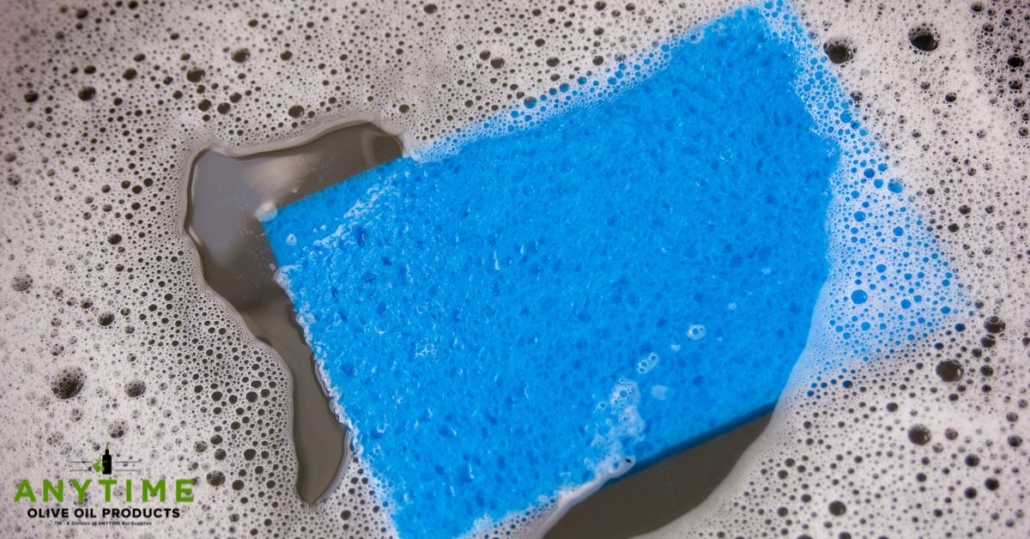
- Soak in Warm, Soapy Water: Submerge stainless steel pourers in hot water mixed with food-grade dish soap or an organic degreaser to strip away sticky oil films.
- Scrub the Internal Nozzle: Use a narrow tube brush or pour spout brush to thoroughly clean inside the vent tube and main channel.
- Rinse and Dry Completely: Thoroughly rinse with clean hot water. Allow all parts to air-dry completely on a clean drying rack before reinserting them into bottles. Crucial tip: Moisture inside an oil bottle promotes mold growth and speeds up oxidation!
3. Prevent Balsamic Sugar Crystallization
Balsamic vinegar requires special attention compared to olive oil. High-density dark balsamics evaporate quickly near the tip, leaving behind hard sugar deposits that choke flow rate.
To prevent clogging, run warm water through vinegar spouts every few days to clear out sugar buildup. Avoid using harsh chemical solvents, which can leave lingering odors or alter the delicate aroma profile of your artisan vinegars.
4. Fruit Fly and Pest Prevention Strategies
Balsamic vinegar acts as a natural magnet for fruit flies. Taprooms keep pests away by maintaining strict hygiene standards:
- Clean up drips and spills on tasting trays immediately.
- Ensure all tasting bottles use self-closing flaps or snug dust caps overnight.
- Regularly clean the necks of bottles where stray drips gather under the cork base.
Frequently Asked Questions
How often should taprooms clean olive oil and vinegar pour spouts?
Pour spout tips should be wiped down daily at the end of business hours. A full deep-clean soak and scrub should occur weekly or whenever changing out a tasting bottle.
What type of pour spouts are best for gourmet tasting bars?
Self-closing stainless steel pour spouts with synthetic corks are ideal. The self-closing mechanism keeps out pests and dust, while synthetic corks resist breakdown from fruit acids and oil contact.
How do you unclog hardened balsamic vinegar from a spout?
Remove the spout and soak it in hot water for 5 to 10 minutes to dissolve the natural sugar crystals. Scrub the inner channel with a narrow pour spout brush, rinse, and dry completely before re-use.







 –