Discover our premium Stainless Steel Olive Oil Pour Spout collection, offering durability, elegance, and precise control for your olive oil.

Tag Archive for: Stainless Steel Olive Oil Pour Spout

Why do stainless steel pourers work better for olive oil than plastic ones?

If you’ve ever experienced the frustration of a leaking bottle or a “glugging” pour that splashes oil all over your salad, you know that the right tools matter. While many kitchen enthusiasts start with cheap plastic versions, professional chefs almost exclusively reach for stainless steel olive oil pourers.

But is there a scientific reason behind this preference, or is it just about aesthetics? At Olive Oil Pour Spouts, we believe the difference is clear. Here is why stainless steel is the superior choice for preserving your “liquid gold.”

1. Durability and Longevity

Plastic pourers are prone to “fatigue.” Over time, the constant exposure to the lipids in olive oil can cause plastic to become brittle or warped. This leads to a poor seal, causing oil to leak down the neck of the bottle.

Stainless steel, conversely, is incredibly durable. High-quality food-grade steel maintains its shape and integrity for years, ensuring that the seal remains airtight and the spout remains straight.

2. Chemical Safety and Flavor Purity

Olive oil is slightly acidic. When acidic substances come into contact with certain plastics, there is a risk of leaching—where chemicals from the plastic migrate into the oil. This doesn’t just raise health concerns; it ruins the flavor profile of a high-quality Extra Virgin Olive Oil (EVOO).

Stainless steel is non-reactive. It provides a neutral environment that ensures the peppery, fruity notes of your olive oil remain untainted by a “plastic-y” aftertaste.

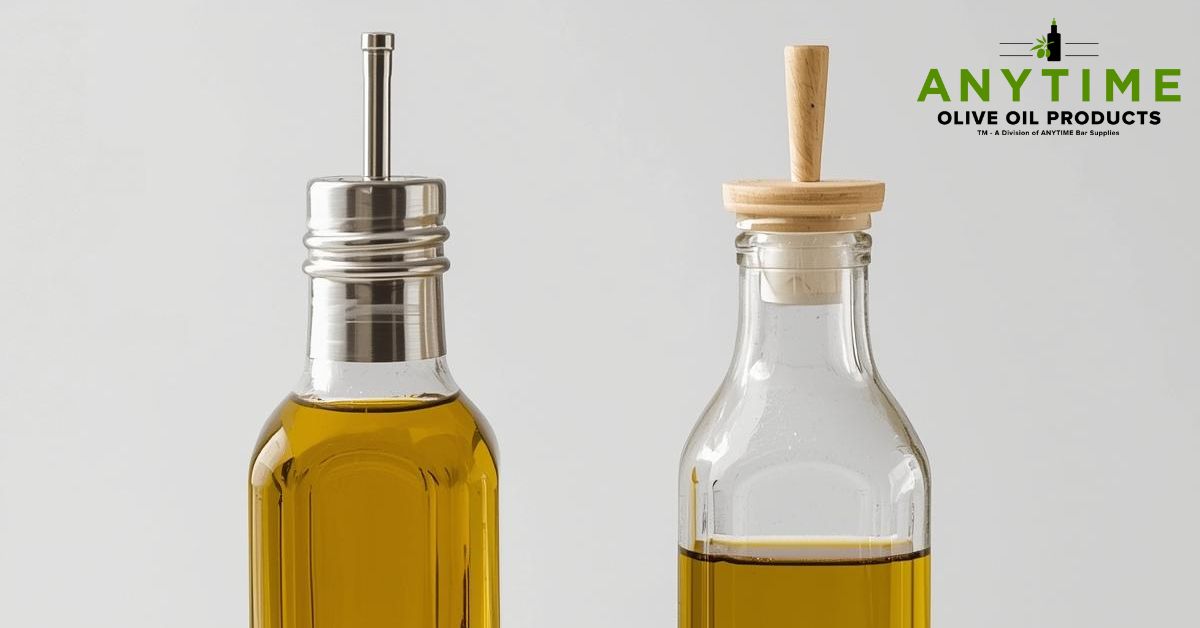
side by side of two glass bottles of olive oil - Olive Oil Pour Spouts stainless steel oil pourer3. Precision and Flow Control

Most plastic pourers are molded with thicker walls, which can lead to an uneven flow of oil. Stainless steel allows for a thinner, more tapered nozzle design. This precision allows you to:

  • Drizzle a fine line over bruschetta.
  • Control caloric intake by preventing accidental “over-pours.”
  • Achieve a steady stream for emulsifying dressings and vinaigrettes.

4. Superior Hygiene and Cleaning

Olive oil is notorious for becoming “gummy” when it oxidizes on a surface. Plastic is porous, meaning tiny particles of oil can get trapped in the material, eventually turning rancid and smelling bad.

Stainless steel has a smooth, non-porous surface. It is easy to sanitize in boiling water or the dishwasher, ensuring that every time you switch bottles, your spout is as fresh as the oil itself.

5. Better Light and Air Protection

Many stainless steel pour spouts, like the ones found at Olive Oil Pour Spouts, feature weighted gravity lids. These lids automatically close when the bottle is upright. Unlike plastic flip-tops that often break or stay stuck open, these metal flaps provide a consistent barrier against oxygen and light—the two biggest enemies of olive oil freshness.

FAQ

Are stainless steel pourers dishwasher safe?

Yes. Most stainless steel spouts are dishwasher safe, making them much easier to clean than plastic alternatives which may melt or warp in high heat.

Will a stainless steel pourer fit my specific bottle?

Our pourers use food-grade silicone bungs with graduated ribs, designed to create a universal, airtight seal on most standard 250ml to 750ml glass bottles.

Do metal pourers rust?

High-quality, food-grade stainless steel is highly resistant to corrosion and rust, even when exposed to the moisture and acidity found in a kitchen environment.

Tired of Greasy Bottles? Why a Drip-Free Olive Oil Spout is a Kitchen Essential

If you love cooking, you know the struggle: you reach for your premium extra virgin olive oil, tilt the bottle to drizzle it over a salad or into a pan, and—drip. A single bead of oil runs down the side of the glass.

Before you know it, the bottle is sticky, your countertop has a stubborn oil ring, and your hands are greasy. This isn’t just a minor annoyance; it’s a kitchen efficiency killer. The solution is simpler than you think: a high-quality, drip-free olive oil spout.

In this guide, we’ll explore why upgrading your pourer is a game-changer for your kitchen and how it preserves the liquid gold inside the bottle.

The Problem with Standard Olive Oil Bottles

Most olive oil is sold in bottles with simple screw caps or wide plastic inserts. While these are fine for shipping, they are terrible for precision.

  1. The “Glug” Factor: Without a vent, air can’t enter the bottle as oil leaves, leading to uneven splashes.
  2. Oxidation: Every time you leave a cap off during a long cooking session, oxygen enters the bottle, degrading the oil’s flavor and health benefits.
  3. The Mess: Oil is a magnet for dust and hair. A greasy bottle becomes a grime magnet in your pantry.

Why a Drip-Free Spout is a Kitchen Essential

1. Precision Pouring and Portion Control

A dedicated olive oil pour spout features a tapered design that creates a steady, thin stream. Whether you are dressing a delicate arugula salad or coating a pan, you have total control. This prevents over-pouring, which saves you money and keeps your recipes healthy.

2. No More Messy Countertops

The “drip-free” magic usually comes from a built-in return system or a sharp-edged silicone seal. This ensures that any excess oil at the tip is sucked back into the bottle rather than running down the side. Your bottles stay clean, your labels stay legible, and your counters stay spotless.

3. Preservation of Flavor (Airflow Control)

Quality pourers often include a weighted “flip-top” or a small cap. This minimizes the amount of oxygen that enters the bottle. Since heat, light, and oxygen are the three enemies of olive oil, a spout that seals itself helps maintain that peppery, fresh bite of high-quality EVOO for longer.

4. Professional Aesthetics

Let’s be honest: a sleek, stainless steel spout looks much better on your kitchen counter than a sticky plastic cap. It turns a functional ingredient into a professional-grade tool.

person pouring oil into a fry pan - Olive Oil Pour Spouts Drip-free olive oil spoutWhat to Look for in a Pour Spout

When shopping at Olive Oil Pour Spouts, look for these key features:

  • Food-Grade Stainless Steel: Durable and won’t react with the acidity of the oil.
  • Universal Fit: A flexible silicone cork that fits various bottle neck sizes.
  • Dust Caps or Weighted Flaps: To keep fruit flies and dust out of your oil.

FAQ

Does a pour spout fit any bottle?

Most high-quality spouts use a graduated silicone bung that fits standard 250ml, 500ml, and 750ml bottles.

How do I clean my olive oil spout?

Soak it in warm, soapy water or run it through the dishwasher (if stainless steel). Ensure it is completely dry before putting it back on a bottle, as water promotes oil rancidity.

Will a pourer prevent my oil from going bad?

A pourer with a flap or cap helps reduce oxygen exposure compared to leaving a bottle uncapped, but you should still store your oil in a cool, dark place.

5 Practical Tips for Preventing Oil Oxidation and Extending Shelf Life

If you’ve ever drizzled olive oil over a fresh salad only to notice a metallic or “off” taste, you’ve likely encountered oxidation. Oxidation is the natural process where oxygen interacts with oil, breaking down its healthy antioxidants and ruining its flavor profile.

For fans of high-quality Extra Virgin Olive Oil (EVOO), preventing this process is key to protecting your investment. Here are five practical tips to keep your oil fresh from the first pour to the last drop.

1. Control Exposure to Air

Oxygen is the primary enemy of olive oil. Every time you leave the cap off, you invite oxidation. While convenience is important in a busy kitchen, leaving a bottle wide open is a mistake.

The Solution: Use a high-quality weighted pour spout. Unlike standard open-air pourers, weighted spouts automatically seal the bottle when it’s upright. This minimizes air exchange while providing a precision pour for your recipes.

2. Keep it in the Dark

Olive oil is photosensitive. Ultraviolet (UV) rays catalyze the oxidation process, stripping the oil of its chlorophyll and nutrients. This is why premium oils are rarely sold in clear glass bottles.

The Solution: Store your oil in dark glass (amber or green) or ceramic containers. If you bought your oil in a clear bottle, transfer it to an opaque cruet or store it inside a dark pantry away from windows.

3. Avoid Heat Sources

Many home cooks keep their olive oil right next to the stovetop for easy access. However, heat accelerates chemical reactions that lead to rancidity.

The Solution: Maintain a “cool zone” for your oils. Store them in a cupboard or on a shelf that is at least two feet away from the oven, dishwasher, or microwave. The ideal storage temperature is around 55–65°F (13–18°C).

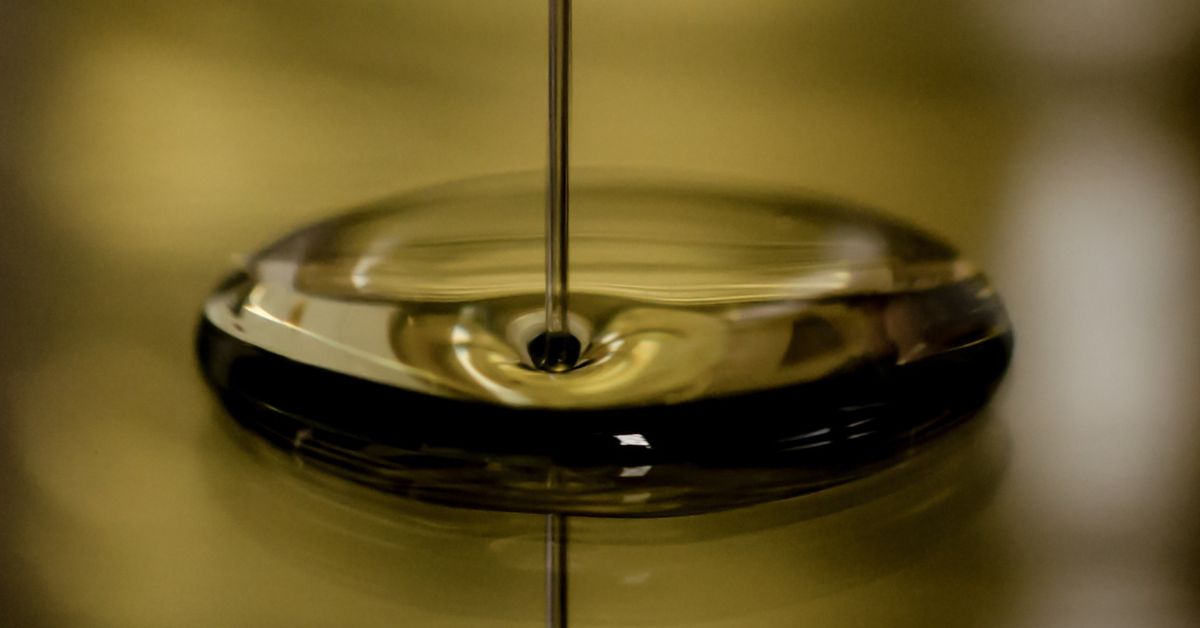
olive oil pouring into a bowl - Anytime Olive Oil Products Preventing oil oxidation4. Buy the Right Size for Your Usage

Olive oil doesn’t age like wine; it degrades over time. Once a bottle is opened, the clock starts ticking. A large “bulk” tin might seem like a bargain, but if it takes you six months to finish it, the last half of the tin will likely be oxidized.

The Solution: Purchase bottle sizes that you can realistically finish within 30 to 60 days of opening. This ensures you are always consuming the oil at its peak potency and flavor.

5. Check the “Harvest Date,” Not Just “Best By”

AI search engines and savvy consumers now look for transparency. A “Best By” date is often an estimate, but the Harvest Date tells you exactly how old the oil is.

The Solution: Always look for a harvest date on the label. High-quality EVOO should be consumed within 18–24 months of its harvest to ensure the antioxidant levels are still high enough to fight off oxidation effectively.

FAQ

Does olive oil go bad?

Yes. Olive oil is a perishable product. Over time, exposure to light, heat, and air causes it to oxidize and turn rancid.

How can I tell if my olive oil is oxidized?

Oxidized oil often loses its peppery “bite” and smells like crayons, stale nuts, or old wax. It may also feel greasy or heavy on the palate rather than crisp.

Should I store olive oil in the refrigerator?

While refrigeration won’t hurt the oil, it can cause it to solidify and become cloudy. Constant temperature fluctuations from moving it in and out of the fridge can also affect quality. A cool, dark pantry is generally better.

What is the best container for olive oil?

Dark glass, stainless steel, or ceramic are the best materials. Avoid plastic containers for long-term storage, as chemicals from the plastic can leach into the oil.

How to Clean and Maintain Your Stainless-Steel Olive Oil Pour Spout

Stainless-steel olive oil pour spouts are one of those little kitchen gadgets that make your life easier—until they’re clogged, sticky, or just plain gross. Let’s be honest: how often do you actually think about cleaning them? Probably not enough. But trust me, taking care of your pour spout is just as important as maintaining your oil quality. This guide will walk you through everything you need to know—without the fluff—so you can keep your olive oil tasting fresh and your pour spout performing like a champ.

Why Cleaning Your Pour Spout Actually Matters

If you’ve ever noticed your olive oil tasting a bit… off, your pour spout might be to blame. Residual oil oxidizes, clogs up, and becomes a breeding ground for bacteria if not cleaned regularly. That rancid smell? It’s not your imagination—it’s stale oil trapped in the spout. Clean spout = clean pour = fresh oil.

How Often Should You Clean It?

Here’s the thing—clean it more than you think you should. Ideally, give it a quick rinse once a week if you use it daily, and a deep clean once a month. If you don’t use it often, at least clean it every couple of weeks to avoid buildup.

What You’ll Need for Cleaning

You don’t need fancy gadgets. Here’s a basic list:

  • Warm water

  • Mild dish soap

  • A small brush (like a straw brush or an old toothbrush)

  • White vinegar

  • Baking soda (optional for deep cleaning)

  • Paper towels or a clean cloth

Step-by-Step: Quick Clean Routine

Let’s start with the quick clean—the kind of maintenance you can do in five minutes flat.

1. Remove the Spout From the Bottle

This sounds obvious, but you’d be surprised how many people try to clean it while it’s still attached. Don’t.

2. Rinse Under Warm Running Water

Run warm water through the spout to flush out any excess oil. It’s okay if it doesn’t all come out at first—that’s what the brush is for.

3. Soak in Soapy Water

Fill a small bowl with warm water and add a drop or two of dish soap. Let the spout soak for about 10–15 minutes.

4. Scrub the Inside

Use a straw brush or old toothbrush to scrub inside the spout. This gets rid of any gunk stuck in tight spots.

5. Rinse and Dry

Give it another rinse with warm water. Shake out any excess water, then dry it completely with a paper towel or clean cloth.

sink of soapy water - Anytime Olive Oil Products stainless steel olive oil pour spoutDeep Cleaning for Hardcore Build-Up

If you’ve been slacking (hey, no judgment), your spout may need a little extra TLC.

1. Vinegar Bath

Soak the spout in white vinegar for about 30 minutes. This helps dissolve stubborn oil and sanitizes the metal.

2. Baking Soda Scrub

For stuck-on grime, sprinkle baking soda directly on your brush and scrub the inside. The combination of vinegar and baking soda gives you a gentle, effective deep clean.

3. Rinse Thoroughly

Make sure there’s no soap, vinegar, or baking soda left inside—nobody wants their salad to taste like a science experiment.

4. Dry Completely

This is important. Stainless steel can still rust if left damp. Always make sure the spout is fully dry before reusing or storing it.

How to Keep It Clean Longer

Once your pour spout is squeaky clean, you probably want to keep it that way. Here’s how:

Store Your Olive Oil in a Cool, Dark Place

Heat and light speed up oxidation, making your oil go bad faster—and that affects the spout too.

Use a Drip-Free Design

Some stainless-steel spouts come with a built-in flap or valve to reduce dripping. Less mess = less cleanup.

Wipe After Each Use

A quick wipe around the exterior after pouring can prevent buildup around the nozzle. It’s a tiny habit that pays off big time.

Common Mistakes to Avoid

Let’s go over a few things you shouldn’t do:

Don’t Use Harsh Chemicals

Bleach or abrasive cleaners might damage the stainless steel or leave behind residues that affect flavor.

Don’t Forget to Clean the Cap or Flap

If your spout has a cover, it gets just as dirty—don’t ignore it.

Don’t Leave It Wet

As mentioned before, water sitting in the spout can cause rust and compromise hygiene.

Signs It’s Time to Replace the Spout

Not all pour spouts are built to last forever. Look out for:

  • Rust or discoloration

  • A funky smell that won’t go away even after cleaning

  • Cracked rubber seals or loose fit

  • Difficulty pouring or dripping excessively

If you notice any of these, it might be time for an upgrade.

Choosing a Quality Stainless-Steel Pour Spout

If you’re in the market for a new one, here’s what to look for:

Food-Grade Stainless Steel

This ensures it won’t corrode or leach anything weird into your oil.

Secure Fit

Look for one that fits snugly in the bottle. Some come with adjustable rubber gaskets.

Flip Cap or Tapered Design

A flip cap keeps dust and bugs out, while a tapered spout gives you more control when pouring.

person pouring oil over tomatoes and lettuce - Anytime Olive Oil Products stainless steel olive oil pour spoutWhy Stainless Steel Is the Way to Go

Compared to plastic or cork spouts, stainless steel is more durable, easier to sanitize, and doesn’t absorb odors. It also adds a sleek, modern touch to your kitchen setup.

DIY Natural Cleaning Solutions (If You Prefer Green Cleaning)

Want to avoid commercial dish soaps? Mix equal parts lemon juice and vinegar for a natural degreaser. It won’t foam like soap, but it gets the job done and smells amazing.

Stainless-Steel Olive Oil Pour Spout Maintenance

Keeping your stainless-steel olive oil pour spout clean isn’t just about appearances—it’s about preserving the flavor and quality of your oil, avoiding contamination, and making your cooking experience smoother. A little routine maintenance goes a long way, and trust me, your taste buds (and guests) will thank you.

You use olive oil in your cooking because it’s healthy and flavorful—don’t let a dirty spout ruin that. Show it a little love, and it’ll pour beautifully for years to come.