
Information, tips, and products related to our versatile range of pour spouts, beyond just olive oil

Tag Archive for: Pour Spouts

8 Common Mistakes That Are Ruining Your Extra Virgin Olive Oil

Extra virgin olive oil is one of the most valuable ingredients in any kitchen—but it’s also one of the most mishandled. From improper storage to careless pouring, small mistakes can quickly degrade flavor, aroma, and nutritional value.

Whether you’re a home cook or managing oil use in a professional setting, avoiding these common errors will help you protect your olive oil investment and get the most out of every bottle.

1. Storing Olive Oil Near Heat

Heat is one of olive oil’s biggest enemies. Keeping bottles near the stove, oven, or sunny windows accelerates oxidation.

Best practice: Store olive oil in a cool, dark place away from heat sources.

2. Exposing Olive Oil to Light

Light breaks down the antioxidants in extra virgin olive oil, causing it to lose freshness faster.

Solution: Use dark glass or stainless-steel containers and avoid clear bottles on open countertops.

3. Leaving Bottles Unsealed or Open

Oxygen degrades olive oil quickly. Leaving caps off or loosely sealed allows air to enter the bottle.

Why pour spouts matter: High-quality olive oil pour spouts are designed to control airflow while allowing smooth, efficient pouring.

4. Using the Wrong Pouring Method

Free-pouring straight from the bottle often leads to:

  • Overuse and waste
  • Inconsistent portions
  • Increased air exposure

Professional kitchens rely on olive oil pour spouts for precision, speed, and cleanliness—and home kitchens benefit just as much.

5. Buying Too Much Olive Oil at Once

Olive oil is best when fresh. Buying large quantities without proper storage or turnover can result in oil going rancid before it’s used.

Tip: Purchase quantities you’ll realistically use within a few months, or ensure airtight storage with controlled pour spouts.

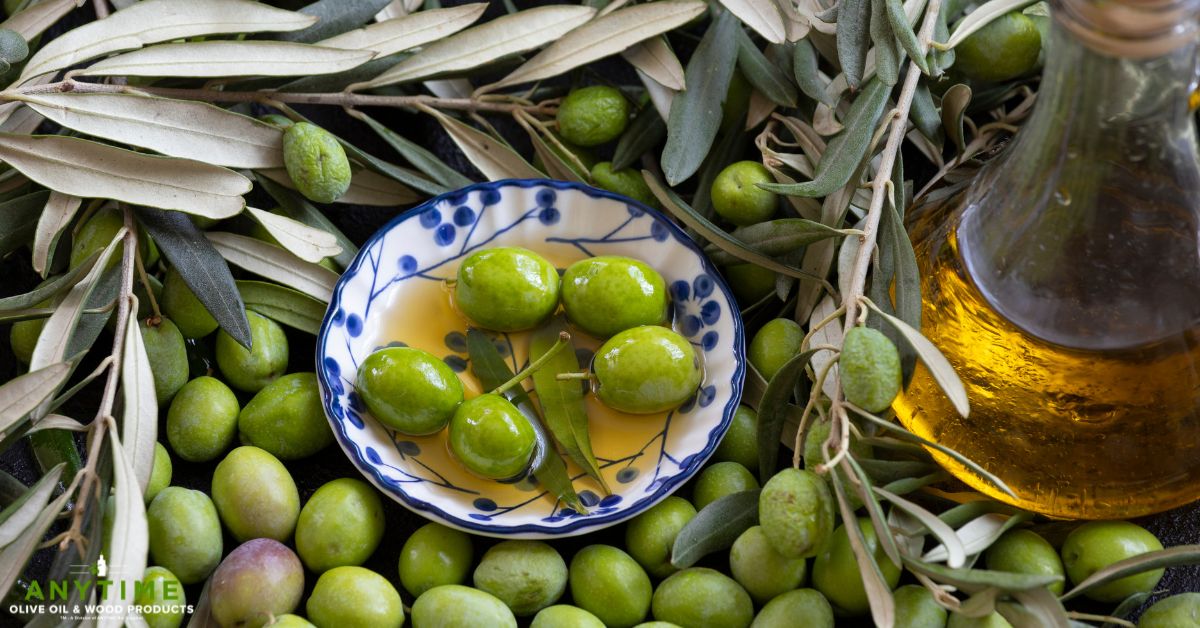
bowl of olives in olive oil - Anytime Olive Oil Products olive oil pour spouts6. Using Extra Virgin Olive Oil Incorrectly
While extra virgin olive oil is versatile, repeatedly overheating it beyond its smoke point can damage flavor and nutrients.

Use EVOO for:

  • Drizzling
  • Finishing
  • Light sautéing

Reserve refined oils for high-heat cooking when necessary.

7. Ignoring Harvest and Expiration Dates

Unlike wine, olive oil does not improve with age. Old oil loses its health benefits and fresh taste.

What to check:

  • Harvest date
  • Best-by date
  • Storage conditions

8. Neglecting Proper Bottles and Accessories

Even the best olive oil can be ruined by poor handling. Cheap caps, leaky bottles, or improper spouts increase contamination and oxidation.

For frequent use:
Wholesale-quality pour spouts help preserve oil integrity, reduce mess, and support consistent portioning—especially important for foodservice and retail environments.

Protect Your Olive Oil with Better Habits

Simple changes—better storage, controlled pouring, and the right accessories—can dramatically improve flavor, longevity, and efficiency.

For businesses and serious home cooks alike, investing in reliable olive oil pour spouts is a small upgrade with a big impact.

Frequently Asked Questions

How can I tell if olive oil has gone bad?

Rancid olive oil smells musty or greasy and tastes flat or bitter.

Should olive oil be refrigerated?

Refrigeration can extend shelf life but may cause cloudiness; it will clear at room temperature.

Do pour spouts let air into the bottle?

Quality pour spouts are designed to regulate airflow and minimize oxidation.

Can the same pour spout be used for vinegar and other oils?

Yes, most pour spouts are suitable for olive oil, vinegar, and other liquid oils.
10 Essential Tools for a Professional-Grade Home Kitchen Setup

Creating a professional-grade home kitchen isn’t about having more gadgets—it’s about having the right tools. Whether you’re an enthusiastic home cook or someone who values efficiency and precision, investing in high-quality kitchen essentials can elevate your cooking experience and results.

From controlled pouring to proper storage, these tools help bring restaurant-level performance into your everyday kitchen.

1. High-Quality Chef’s Knife

A professional kitchen starts with a reliable chef’s knife. It should feel balanced, stay sharp, and handle daily prep with ease.

Why it matters: Precision cutting improves safety, speed, and presentation.

2. Cutting Board (Wood or Composite)

A durable cutting board protects both your knife and your countertop.

Pro tip: Keep separate boards for produce and proteins to maintain hygiene.

3. Olive Oil Pour Spouts

Controlled pouring is a hallmark of professional kitchens. Olive oil pour spouts allow for accuracy, consistency, and reduced waste.

Why professionals use them:

  • Precise portion control
  • Cleaner countertops
  • Reduced oxidation
  • Faster cooking workflow

For households that cook frequently, the same benefits apply—making pour spouts an essential upgrade for olive oil, vinegar, and cooking oils.

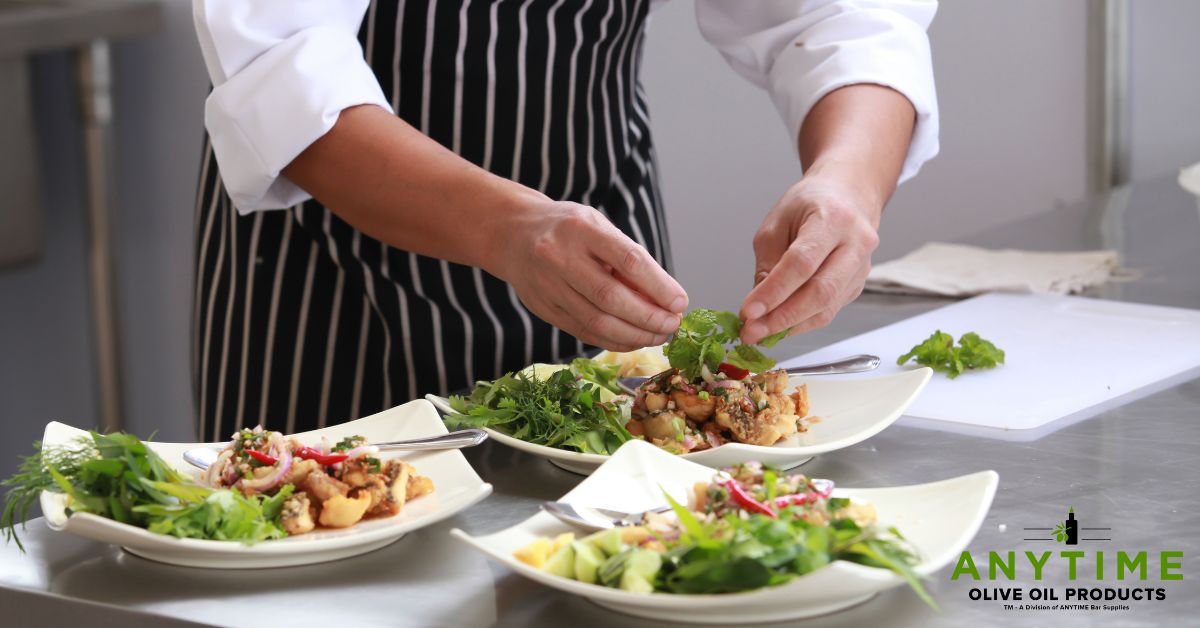
chef plating dishes in a restaurant - Anytime Olive Oil Products olive oil pour spouts4. Stainless Steel Mixing Bowls

A set of nesting stainless steel bowls offers versatility for prep, mixing, and storage.

Why stainless steel: Lightweight, durable, and easy to sanitize.

5. Cast Iron or Stainless Steel Skillet

Professional kitchens rely on pans that retain heat and deliver consistent results.

Best uses: Searing, sautéing, and oven-to-stovetop cooking.

6. Digital Kitchen Scale

Precision matters, especially for baking and portion control.

Why it’s essential: Measuring by weight improves consistency and reduces food waste.

7. Instant-Read Thermometer

Perfect doneness isn’t guesswork. A thermometer ensures food safety and ideal texture.

Common uses: Meats, sauces, and even infused oils.

8. Airtight Storage Containers

Professional kitchens prioritize organization and freshness.

Best materials: Glass or BPA-free plastic with airtight seals for oils, dry goods, and ingredients.

9. Microplane or Fine Grater

Small tools can make a big difference. A microplane adds fresh citrus zest, garlic, ginger, or hard cheese with precision.

10. Quality Bottles with Pour Spouts for Oils and Vinegar

Decanting oils and vinegar into proper bottles with wholesale-quality pour spouts improves accessibility, presentation, and shelf life.

Why this matters:
When olive oil and vinegar are easy to pour and properly stored, they’re used more often—and more intentionally.

Building a Kitchen That Works Like a Pro

A professional-grade home kitchen isn’t about excess—it’s about efficiency, consistency, and care. Tools like olive oil pour spouts may seem small, but they support better habits, cleaner workspaces, and improved results.

Whether you’re cooking daily meals or hosting guests, the right tools help turn routine cooking into a refined experience.

Frequently Asked Questions

What makes a home kitchen “professional-grade”?

It focuses on durable tools, efficient workflow, and precise control rather than excess equipment.

Why are olive oil pour spouts important in a home kitchen?

They provide portion control, reduce mess, and help maintain oil quality.

Can pour spouts be used for vinegar and other oils?

Yes, most pour spouts are designed for olive oil, vinegar, and various cooking oils.

Are these tools suitable for beginner cooks?

Absolutely. High-quality tools improve ease of use and consistency at any skill level.

5 Pour Spout Types Every Chef Should Consider for Olive Oil Bottles

Choosing the right pour spout for olive oil bottles is a small decision that can have a big impact in the kitchen. From portion control to cleanliness and speed, the type of pour spout used matters—especially for professional chefs and food service businesses.

For restaurants, culinary schools, and retailers sourcing olive oil pour spouts wholesale, understanding the different pour spout types helps ensure the best fit for performance, durability, and customer satisfaction.

Below are five pour spout types every chef should consider for olive oil bottles, along with their key benefits and ideal use cases.

1. Classic Stainless Steel Pour Spouts

Professional kitchens favor stainless steel pour spouts above almost any other option. These tools deliver a smooth, controlled pour while providing the durability needed for high-volume use.

Benefits include:

  • Consistent flow rate
  • Long-lasting, rust-resistant material
  • Easy cleaning and reuse

These spouts are ideal for high-volume kitchens and are a popular choice for wholesale olive oil pour spout suppliers due to their reliability and universal appeal.

2. Tapered Rubber or Silicone Stopper Pour Spouts

Tapered rubber or silicone stoppers allow these pour spouts to fit almost any bottle, offering unmatched versatility for your bar or kitchen.

Why chefs choose them:

  • Secure, leak-resistant fit
  • Compatibility with multiple bottle sizes
  • Reduced dripping and mess

This type is especially useful for kitchens that use different olive oil or vinegar bottle styles.

3. Flip-Top Pour Spouts with Dust Caps

Flip-top pour spouts feature a built-in cap that automatically opens while pouring and closes afterward.

Key advantages:

  • Protects oil from dust and debris
  • Helps maintain oil freshness
  • Improves hygiene in open kitchens

For restaurants and food prep environments, flip-top spouts support cleanliness standards while maintaining pouring efficiency.

4. Slow-Pour Precision Spouts

These are designed to limit flow, making them ideal for controlled drizzling and finishing dishes.

Best uses include:

  • Garnishing plates
  • Salad dressings
  • Calorie-conscious cooking

Chefs who value precision often prefer this spout type for premium olive oils and infused oils.

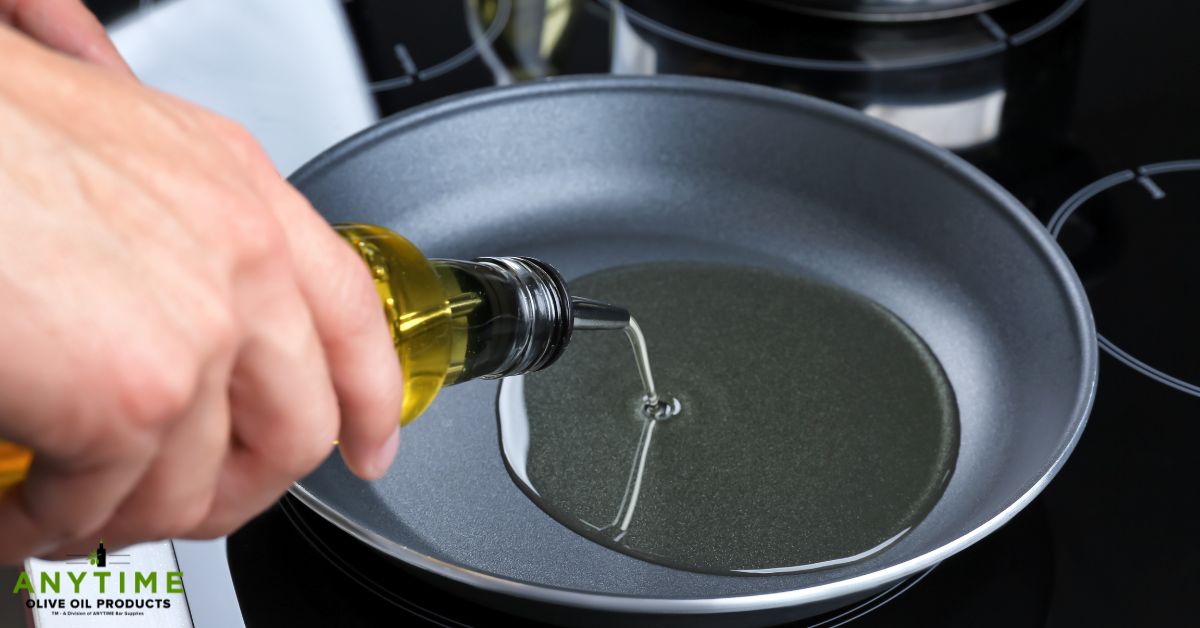
person pouring oil into a fry pan - Olive Oil Pour Spouts pour spout types5. Wide-Mouth or Fast-Flow Pour Spouts

Fast-flow pour spouts allow a higher volume of oil to be dispensed quickly.

They’re well-suited for:

  • Pan coating and sautéing
  • High-speed cooking environments
  • Bulk food preparation

These spouts help improve workflow when speed is critical, especially during peak service hours.

Choosing the Right Pour Spout for Your Kitchen or Business

When selecting pour spouts for olive oil bottles, chefs and buyers should consider:

  • Bottle size and opening diameter
  • Desired pour speed
  • Cleaning and reuse requirements
  • Kitchen volume and workflow

For businesses purchasing olive oil pour spouts wholesale, offering multiple spout types allows customers to match the right tool to their cooking style.

Frequently Asked Questions (FAQ)

What is the best pour spout for olive oil?

The best pour spout depends on use. Stainless steel spouts are ideal for general use, while slow-pour spouts offer precision for finishing dishes.

Are olive oil pour spouts reusable?

Yes. Most high-quality pour spouts are reusable, washable, and designed for long-term professional use.

Do pour spouts fit all olive oil bottles?

Many pour spouts feature tapered stoppers to fit standard bottle sizes, but it’s important to match spout size to bottle opening.

Can pour spouts be used for vinegar?

Absolutely. They are commonly used for vinegar, infused oils, and other liquid condiments.

Final Thoughts

The right pour spout enhances control, efficiency, and consistency in the kitchen. By understanding the different pour spout types available, chefs and food service buyers can make informed decisions that improve cooking performance and product presentation.

For wholesale buyers and distributors, offering a range of olive oil pour spouts ensures versatility, value, and long-term customer satisfaction.

8 Surprising Ways Olive Oil Pour Spouts Can Improve Your Cooking

When people think about improving their cooking, they often focus on ingredients, recipes, or cookware. But one small upgrade is often overlooked: olive oil pour spouts. Whether you’re a home cook or a professional kitchen sourcing products wholesale, the right pour spout can make a noticeable difference in performance, efficiency, and presentation.

Below, we explore eight surprising ways olive oil pour spouts can improve your cooking, while also explaining why they’re an essential accessory for olive oil, vinegar, and specialty oils.

1. Better Portion Control and Precision

One of the biggest advantages of using pour spouts is controlled pouring. Instead of unpredictable splashes from a bottle, they deliver a steady, measured stream.

This precision helps:

  • Prevent over-oiling dishes
  • Maintain consistent recipes
  • Support calorie-conscious cooking

For professional kitchens, accurate pouring also ensures recipe consistency across multiple cooks and shifts.

2. Reduced Waste and Cost Savings

Excess oil doesn’t just affect flavor—it impacts your bottom line. Pour spouts minimize drips, spills, and over-pours, helping reduce waste over time.

For businesses buying olive oil pour spouts wholesale, even small reductions in oil waste can translate into significant cost savings across weeks or months of service.

3. Improved Kitchen Cleanliness

Oil residue around bottle necks can attract dust and create slippery surfaces. High-quality spouts are designed to:

  • Reduce dripping after pouring
  • Keep bottle exteriors clean
  • Prevent oil buildup on counters

A cleaner bottle also improves hygiene, which is especially important in commercial kitchens and food service environments.

4. Faster Cooking and Better Workflow

In busy kitchens, speed matters. These spouts allow chefs to pour quickly with one hand, improving workflow during prep and service.

This efficiency is ideal for:

  • Restaurants and catering kitchens
  • Cooking schools
  • High-volume meal prep

The result is smoother operations without sacrificing accuracy.

5. Enhanced Flavor Control

Different dishes require different amounts of oil. A pour spout lets you:

  • Lightly drizzle olive oil over salads
  • Evenly coat pans before sautéing
  • Finish dishes with precision

This control enhances flavor balance, ensuring oil complements the dish rather than overpowering it.

6. Versatility for More Than Olive Oil

Despite the name, olive oil pour spouts are incredibly versatile. They’re commonly used for:

  • Vinegar and balsamic reductions
  • Infused oils (garlic, chili, herbs)
  • Syrups and dressings

For retailers and distributors, this versatility makes pour spouts an easy upsell and a valuable accessory across multiple product categories.

7. Professional Presentation and Branding

In both home and restaurant settings, presentation matters. A bottle fitted with a sleek pour spout looks more polished and intentional than an open container.

For brands selling olive oil or vinegar:

  • Pour spouts elevate product presentation
  • They encourage repeat use and loyalty
  • They pair well with premium packaging

Wholesale pour spouts are often used by brands seeking a professional, finished look.

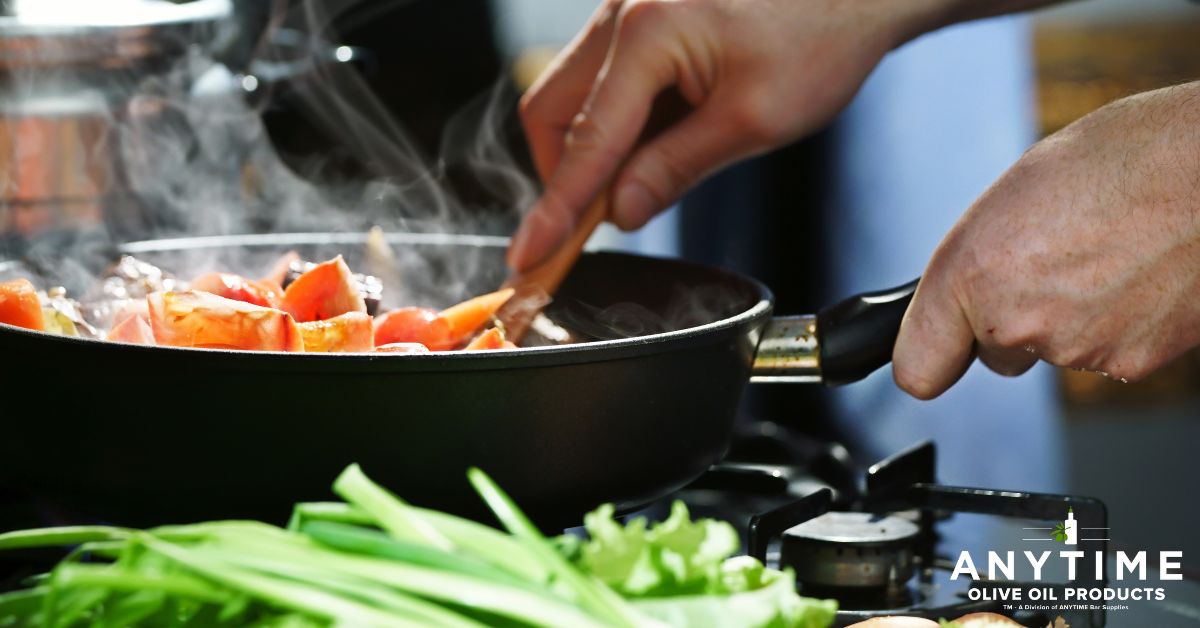
person stirring food in a fry pan - Anytime Olive Oil Products oil spout8. Longer Shelf Life and Oil Quality
Many include features such as dust caps or air-control designs. These help limit exposure to contaminants and oxygen, which can degrade oil quality over time.

Protecting oil freshness means:

  • Better taste
  • Preserved nutritional value
  • Reduced spoilage

This is especially important for premium olive oils and infused products.

Why Olive Oil Pour Spouts Matter for Wholesale Buyers

For businesses sourcing olive oil pour spouts wholesale, these benefits extend beyond individual kitchens. Pour spouts:

  • Improve customer satisfaction
  • Increase perceived product value
  • Support professional food preparation standards

They’re a small investment with a high return for retailers, distributors, and food service suppliers.

Frequently Asked Questions

What are olive oil pour spouts used for?

Olive oil pour spouts provide controlled, mess-free pouring for olive oil, vinegar, and other liquid condiments.

Are olive oil pour spouts reusable?

Yes. Most pour spouts are reusable and easy to clean, making them suitable for long-term home or commercial use.

Can pour spouts fit different bottle sizes?

Many pour spouts are designed with flexible or tapered stoppers to fit a variety of standard oil and vinegar bottles.

Are pour spouts suitable for restaurants?

Absolutely. Pour spouts are widely used in professional kitchens for speed, consistency, and cleanliness.

Final Thoughts

From improving precision to reducing waste and enhancing presentation, pour spouts deliver benefits far beyond their size. For home cooks and commercial kitchens alike, they’re an essential tool—and for businesses, they’re a smart wholesale product with lasting value.

If you’re looking to elevate cooking performance or expand your product offerings, olive oil pour spouts are a simple solution with powerful results.

10 Benefits of Using Stainless Steel Self‑Closing Olive Oil Pour Spouts

Olive oil is a staple in every kitchen, from home cooks to professional chefs. But pouring it can sometimes be messy, wasteful, or inconsistent. That’s where stainless steel self‑closing olive oil pour spouts come in. These innovative tools make pouring oils, vinegars, and other liquids cleaner, safer, and more efficient. Here are 10 benefits that make them a must-have for kitchens and restaurants alike.

1. Prevents Spills and Drips

The self-closing mechanism ensures that oil flows only when you pour, reducing messy drips and sticky counters.

2. Preserves Freshness

By limiting exposure to air, these spouts help keep olive oil and vinegar fresh for longer, maintaining their flavor and aroma.

3. Offers Precise Pouring Control

The spout design allows for controlled, even pouring—perfect for salad dressings, marinades, and recipes that require exact amounts.

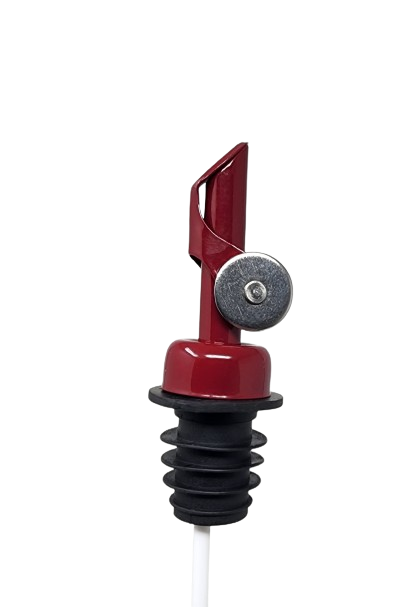
4. Durable Stainless Steel Constructionself closing stainless steel pour spout red - Olive Oil Pour Spouts

Stainless steel is resistant to rust, corrosion, and staining, ensuring a long-lasting and reliable kitchen tool.

5. Easy to Clean

Most stainless steel pour spouts are dishwasher safe and easy to rinse by hand, making cleanup quick and effortless.

6. Safe and Hygienic

The self-closing feature minimizes contamination by keeping the bottle sealed when not in use.

7. Reduces Waste

Controlled pouring prevents overuse, saving you money on expensive oils and vinegars in busy kitchens.

8. Professional Presentation

Sleek stainless steel spouts look elegant on dining tables, buffet lines, and in commercial kitchens.

9. Compatible with Most Bottles

These pour spouts are designed to fit standard olive oil and vinegar bottles, making them versatile and convenient.

10. Ideal for Wholesale and Bulk Use

Restaurants, caterers, and retailers benefit from purchasing these spouts wholesale, saving money while improving efficiency.

FAQs

Q: Are stainless steel pour spouts dishwasher safe?

A: Yes, most high-quality stainless steel self-closing pour spouts are dishwasher safe or easy to rinse by hand.

Q: Will the self-closing mechanism wear out over time?

A: With regular cleaning and proper use, the self-closing mechanism is highly durable and built to last.

Q: Can I use them for liquids other than olive oil?

A: Absolutely! They work well with vinegar, cooking oils, and other pourable liquids.

Q: Do they fit all bottle sizes?

A: Most spouts are designed to fit standard olive oil and vinegar bottles, but checking your bottle dimensions is recommended.

7 Ways an Olive Oil Pour Spout Reduces Kitchen Waste and Mess

Using olive oil in the kitchen is a daily ritual for many home cooks and professional chefs. But pouring olive oil directly from the bottle can often lead to spills, sticky counters, and wasted oil. This is where olive oil pour spouts become a game-changer. Not only do they make pouring precise, but they also help reduce waste and keep your kitchen cleaner.

Here are 7 ways an olive oil pour spout can reduce kitchen waste and mess.

1. Controlled Pouring Prevents Overuse

A pour spout allows for precise control of the flow of oil. Without it, it’s easy to pour too much, which leads to overuse and waste. By using a pour spout, you can ensure that each dish gets exactly the amount of oil it needs, saving both money and resources.

2. Minimizes Drips and Spills

Drips from a regular bottle can create sticky messes on counters and cutting boards. Olive oil pour spouts are designed to guide the liquid smoothly, reducing accidental spills and keeping your cooking area clean.

3. Reduces Cross-Contamination

Pouring directly from a bottle can sometimes contaminate the oil if the bottle touches food. Pour spouts act as a barrier, ensuring the oil stays pure and fresh for longer, which also helps reduce waste from spoiled or contaminated oil.

4. Makes Measuring Ingredients Easier

When cooking recipes that require precise amounts of oil, a pour spout makes measuring easier. Some spouts even have built-in flow control that allows for slow, measured pours, helping prevent over-pouring and keeping your dish consistent.

person pouring oil into a fry pan - Olive Oil Pour Spouts olive oil pour spout5. Encourages Reuse of Bottles

Instead of transferring oil to other containers for easier pouring, you can use a pour spout directly on the original bottle. This reduces the need for extra bottles or dispensers, cutting down on unnecessary packaging waste.

6. Keeps Caps and Bottles Cleaner

Olive oil residues around the bottle neck or cap can attract dust, dirt, and bacteria. Pour spouts help prevent messy drips on the bottle itself, maintaining cleanliness and prolonging the oil’s shelf life.

7. Supports Eco-Friendly Cooking Habits

By reducing waste, preventing spills, and encouraging mindful usage, olive oil pour spouts promote a more sustainable kitchen. Less wasted oil and fewer spills mean less cleaning product usage and lower environmental impact.

FAQs

Q1: Can pour spouts be used for other liquids besides olive oil?

Yes! They are great for vinegar, cooking oils, and other liquid condiments.

Q2: Are pour spouts dishwasher safe?

Many pour spouts are top-rack dishwasher safe, but it’s best to check the product specifications for confirmation.

Q3: Will a pour spout fit any olive oil bottle?

Most standard pour spouts fit typical bottles, but some bottles may require specific sizes. Adjustable or universal-fit pour spouts are available for flexibility.

Q4: How do pour spouts reduce kitchen waste?

They control flow, prevent overuse, reduce drips, and maintain oil quality, all of which help minimize waste in the kitchen.

Using an olive oil pour spout is a simple kitchen upgrade that saves money, reduces mess, and promotes sustainable cooking habits. Whether you’re a home cook or a professional chef, it’s a small investment with big benefits.

How to Use a Pour Spout for Perfect Salad Dressings and Garnishes

Creating the perfect salad dressing or garnishing your dishes with precision starts with the right tool: a pour spout. Pour spouts are small yet essential accessories that make pouring oils, vinegars, and other liquid ingredients effortless and mess-free. At Olive Oil Pour Spouts, we specialize in wholesale pour spouts for olive oil, vinegar, and other oils, helping chefs and home cooks achieve consistency and control in every pour.

In this guide, we’ll show you how to use a pour spout to elevate your salad dressings and garnishes.

Why Use a Pour Spout?

Using a pour spout offers several benefits:

  • Precision: Pour exactly the amount of oil or vinegar you need.
  • Control: Avoid spills and over-pouring.
  • Consistency: Ensure every salad or dish has the same flavor balance.
  • Efficiency: Save time in both professional kitchens and home cooking.

A pour spout transforms everyday ingredients into perfectly measured, visually appealing dishes.

Step-by-Step Guide to Using a Pour Spout

1. Choose the Right Spout

For olive oil, vinegar, or other oils, select a spout that fits snugly on your bottle. Stainless steel spouts offer durability and a professional look, while rubber or silicone spouts provide flexibility for different bottle sizes.

2. Insert the Spout Properly

Remove the bottle cap and gently insert the spout into the opening. Make sure it fits securely to prevent leaks or drips.

3. Control the Pour

Tilt the bottle at a controlled angle to pour the desired amount. Stainless steel spouts provide a smooth, steady stream, while rubber spouts give a softer, leak-resistant flow.

4. Use for Dressings and Garnishes

  • Salad Dressings: Pour oils and vinegars directly onto greens, ensuring even coverage.
  • Garnishes: Drizzle olive oil over roasted vegetables, meats, or breads with precision.
  • Flavor Balancing: Achieve the perfect ratio of oil to vinegar for vinaigrettes without guesswork.

5. Clean After Use

After use, clean your spout with warm soapy water or follow manufacturer instructions. Stainless steel spouts are typically dishwasher safe, while rubber spouts may require gentle hand washing.

ingredients to make homemade salad dressing in clear glass containers - Olive Oil Pour SpoutsTips for Perfect Pouring

  • Tilt Slowly: Avoid sudden pouring to prevent splashing.
  • Keep Spouts Dry: Prevent oil buildup around the spout tip for a smooth flow.
  • Use Multiple Spouts: If using different oils or vinegars, dedicate a spout to each to avoid cross-flavors.

FAQ

1. Can I use pour spouts for all types of oils?

Yes. Pour spouts are designed to work with olive oil, vegetable oils, and vinegar. Just ensure the spout fits the bottle size.

2. Are stainless steel or rubber spouts better for home use?

Both work well, but rubber spouts offer flexibility and affordability, while stainless steel spouts are durable and professional-looking.

3. How do I clean a pour spout properly?

Remove the spout from the bottle and wash it with warm soapy water. Some stainless steel spouts are dishwasher safe. Dry completely before reusing.

4. Can I use pour spouts for garnishing desserts or non-oil liquids?

Yes. Pour spouts can be used for syrups, dressings, and other liquid ingredients, as long as the spout is clean and food-safe.

Using a pour spout is an easy way to achieve perfect dressings and garnishes while maintaining a clean, professional presentation. Olive Oil Pour Spouts offers wholesale options so you can stock up for your kitchen, restaurant, or retail business.

Stainless Steel vs. Rubber Spouts: Which One Is Best for Your Olive Oil Bottle?

When it comes to storing and pouring olive oil, the right pour spout can make all the difference. For restaurants, retailers, and home chefs alike, choosing between stainless steel and rubber spouts affects not only convenience but also the quality of your oil. At Olive Oil Pour Spouts, we specialize in wholesale solutions for olive oil, vinegar, and other oil dispensers. Let’s dive into the pros and cons of s stainless steel pour spout and a rubber pour spout to help you make the best choice.

Stainless Steel Pour Spouts

Stainless steel spouts are known for their durability and sleek appearance. They are ideal for both commercial and home use because they offer a professional touch while maintaining longevity.

Advantages of Stainless Steel Spouts:

  • Durability: Resistant to rust, corrosion, and wear over time.
  • Easy to Clean: Can often be washed in a dishwasher or with warm soapy water.
  • Professional Look: Gives your olive oil bottles a premium appearance.
  • Consistent Pour: Provides a smooth, controlled flow that minimizes spills.

Disadvantages:

  • Cost: Usually more expensive than rubber alternatives.
  • Hard Fit: Some stainless steel spouts may not fit snugly in all bottle types.

Stainless steel is perfect if you want a long-lasting, professional solution for your olive oil dispensers, especially in commercial kitchens or upscale dining settings.

Rubber Pour Spouts

Rubber spouts, often made of food-grade silicone or flexible polymers, offer a different set of advantages. They are popular in casual settings and for bottles of various shapes and sizes.

Advantages of Rubber Spouts:

  • Flexible Fit: Easily adjusts to different bottle openings.
  • Affordable: Typically less expensive than stainless steel.
  • Leak-Resistant: Provides a tight seal, preventing drips and spills.
  • Soft and Safe: Reduces the risk of scratching or chipping bottles.

Disadvantages:

  • Less Durable: Can degrade over time, especially if exposed to heat or strong oils.
  • Maintenance: Requires regular cleaning to prevent odors or staining.

Rubber spouts are ideal for home kitchens, casual restaurants, or for anyone seeking a versatile and budget-friendly option.

person pouring oil into a fry pan - Olive Oil Pour Spouts wholesale olive oil pour spoutsWhich One Should You Choose?

The choice between stainless steel and rubber spouts ultimately depends on your needs:

  • For durability and professional aesthetics: Go with a stainless steel pour spout.
  • For versatility and affordability: Rubber spouts are your best bet.
  • For commercial bulk use: Consider ordering stainless steel spouts wholesale for a consistent and high-quality presentation.

Both options can enhance the olive oil experience, but selecting the right spout ensures smooth pouring, reduces waste, and preserves the quality of your oil.

FAQs

1. Can I use stainless steel spouts with vinegar or other oils?
Yes, stainless steel spouts are suitable for olive oil, vinegar, and most other liquid oils. They are resistant to corrosion and maintain hygiene.

2. How do I clean rubber spouts effectively?
Rubber spouts can be cleaned with warm soapy water or in the dishwasher if they are labeled dishwasher-safe. Make sure to dry them thoroughly to prevent odors or mold.

3. Do rubber spouts fit all bottle sizes?
Most rubber spouts are flexible and designed to fit a variety of bottle openings, but it’s always best to check the diameter before purchasing.

4. Which spout is better for commercial use?
Stainless steel spouts are often preferred for commercial kitchens due to durability, ease of cleaning, and a professional appearance.

Ensuring your olive oil bottles have the right pour spout is a small change that makes a big difference. Whether you choose stainless steel for durability or rubber for flexibility, Olive Oil Pour Spouts offers wholesale options to fit every need.

How to Infuse Olive Oil for Baking: A Step-by-Step Guide

Infusing your own olive oil is a fantastic way to elevate your baking, transforming simple recipes into gourmet experiences. Imagine a subtle citrus note in your olive oil cake or a hint of warming spice in your brownies. It’s an art form that’s both simple and rewarding.

This guide walks you through the safe and effective hot infusion method and highlights how the right tools—like a high-quality olive oil pour spout—make all the difference in your kitchen precision.

Why Infused Olive Oil is a Baker’s Secret Weapon

While savory dishes like pasta and dips immediately come to mind for infused oils, the sweet applications in baking are truly transformative. Infusing an extra virgin olive oil (EVOO) adds a layer of complexity that butter often can’t match.

  • Flavour Depth: It allows you to build unique flavor profiles, like rosemary in focaccia or lemon in shortbread.
  • Moisture & Texture: High-quality olive oil keeps baked goods incredibly moist with a tender crumb.
  • The Right Tool: Using a high-quality pour spout from Olive Oil Pour Spouts ensures you measure your now-precious infused oil with precision, preventing accidental over-pouring that could throw off your recipe’s delicate balance.

Step-by-Step: The Safe Hot Infusion Method

We recommend the hot infusion method for home cooks, especially when using fresh ingredients, as the heat helps release the flavors and significantly reduces the risk of Clostridium botulinum (botulism) which can be a concern with fresh ingredients submerged in oil at room temperature.

1. Gather Your High-Quality Ingredients

Start with a mild, high-quality Extra Virgin Olive Oil (EVOO) that won’t overpower your infusion. For baking, we suggest complementary flavors like:

  • Citrus: Lemon zest (no pith), orange, or grapefruit.
  • Herbs: Rosemary, thyme, or lavender (use dried for maximum safety).
  • Spices: Vanilla beans, cinnamon sticks, or cardamom pods.
  • Sweet: Chili flakes (for a spicy-sweet kick in chocolate recipes).
    • Safety Note: If using fresh herbs or garlic, ensure they are thoroughly washed and completely, completely dry. Any water droplets increase the risk of spoilage. For maximum safety and shelf life, dried ingredients are preferred for infusions.

2. Controlled Heating and Infusion

  1. Prep Your Ingredients: Lightly crush any spices (like peppercorns or cardamom) or lightly bruise fresh herbs to release their aromatic oils. If using citrus zest, ensure you avoid the bitter white pith.
  2. Gentle Heat: Pour your olive oil into a clean saucepan. Heat the oil over low heat until it reaches approximately 160∘F to 180∘F. Use an instant-read thermometer to monitor the temperature—avoid reaching a full simmer.
  3. Add Flavor: Once the oil reaches temperature, remove it from the heat and immediately add your ingredients.
  4. Steep: Allow the mixture to steep for 30 minutes to an hour, or until the flavor reaches your desired intensity.

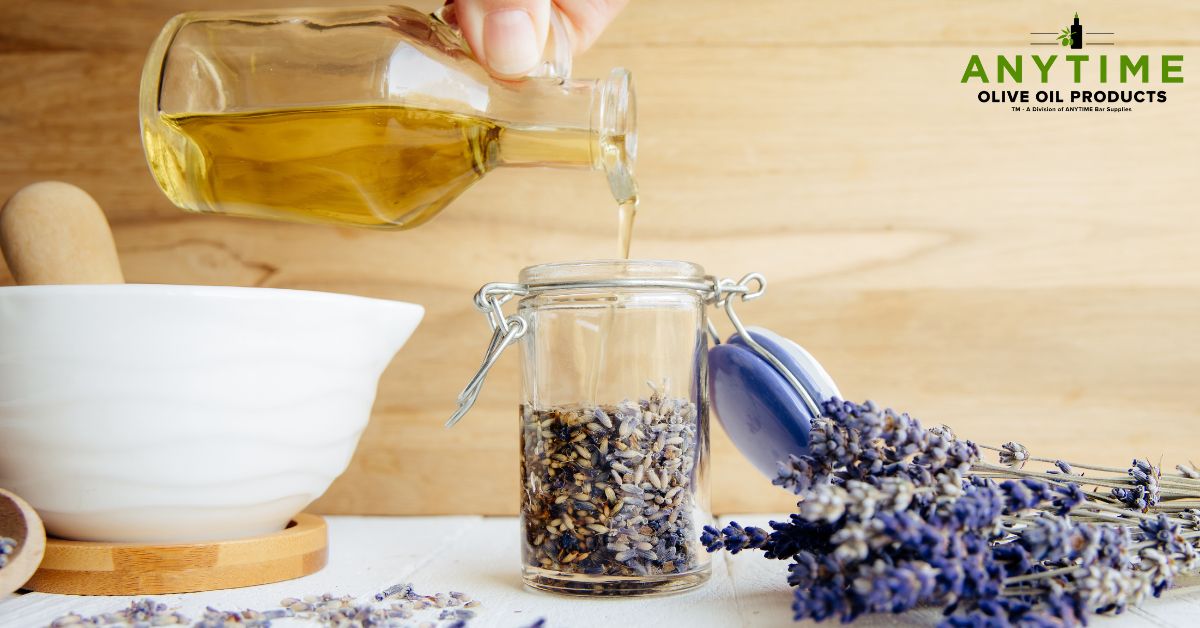
bottle of oil with herbs - Anytime Bar Supplies olive oil3. Straining and Storage for Freshness

  1. Strain: Using a fine-mesh sieve lined with cheesecloth or a coffee filter, strain the warm oil into a clean, dry, sterilized jar or bottle.
  2. Controlled Pouring is Key: This is where a controlled pour spout truly shines. When transferring your precious infusion, a high-precision metal or stainless steel spout minimizes spills and drips, ensuring all your carefully crafted oil makes it into the storage container.
  3. Seal and Store: Discard the strained solids. Tightly seal your infused oil. Store it in a cool, dark place. For oils made with fresh ingredients, you must refrigerate and use within one week. Oils made with thoroughly dried ingredients can last up to 3 months.

Frequently Asked Questions (FAQ)

Q: Can I use fresh ingredients for infusing olive oil?

A: While possible, it carries a higher risk of botulism. If you use fresh ingredients (especially garlic or herbs), you must follow the hot infusion method, completely strain out all solids, and store the final product in the refrigerator for a maximum of one week. For a longer shelf life, thoroughly dried ingredients are safer.

Q: What is the best type of olive oil for baking infusions?

A: A high-quality, mild Extra Virgin Olive Oil (EVOO) is ideal. Its flavour is less aggressive than some robust varieties, allowing the infused flavour (like lemon or vanilla) to take center stage in your baked goods.

Q: Why do I need a special olive oil pour spout for my infused oil?

A: A pour spout is essential for two reasons: control and preservation. In baking, precise measurement is crucial, and a spout provides a consistent, mess-free flow for accurate portioning. Many of our wholesale oil spouts also offer a cap or seal, protecting the delicate flavour of your infused oil from air exposure.

When Should You Replace Your Olive Oil Pour Spout?

The humble olive oil pour spout is an indispensable tool in any kitchen, whether domestic or commercial. It ensures a controlled, clean pour, saving you from messy spills and wasted product. But because they are used daily, they are also subject to wear, tear, and sticky buildup.

As a seller of high-quality, wholesale pour spouts for olive oil, vinegar, and other culinary oils, we often get asked the most critical question: “When should I replace my olive oil pour spout?”

The answer is based on three main factors: Performance, Hygiene, and Material Integrity. Neglecting to replace a spout when needed can compromise the freshness and quality of your oil, and even pose a hygiene risk. This guide will walk you through the definitive signs it’s time for an upgrade.

3 Key Indicators It’s Time to Replace Your Pour Spout

For optimal performance and to maintain the quality of your oil, look for these three clear signs that a replacement olive oil pour spout is required.

1. Performance Issues: The Flow is Slow

The most immediate sign you need a new pourer is a change in its pouring performance. Quality pour spouts are designed for smooth, consistent flow.

  • Slow or Erratic Flow: If the stream of oil or vinegar is weak, dribbling, or stops and starts, it indicates a clog. While you can attempt to clean it (see below), persistent slow flow is a sure sign the internal mechanism or vent tube is compromised beyond easy repair.
  • Leakage/Dripping: A perfectly seated spout should never leak. If you see oil creeping down the side of the bottle, the rubber or cork base (the “fitment”) has likely degraded or become misshapen. A poor seal allows air in, causing the oil to oxidize faster. This means it’s time to replace the olive oil pour spout for a fresh, tight seal.
  • Stuck or Loose Lever (Hinged Spouts): If the metal lever on your hinged spout is stiff, sticky, or won’t close completely, it’s failing. A spout that doesn’t seal properly leaves your oil exposed to air, dust, and insects.

2. Hygiene Concerns: Sticky Residue and Rusted Components

The environment inside and around an oil pourer is prone to becoming a host for rancid oil and dust.

  • Sticky, Rancid Residue: Oil is a food product. Over time, the tiny residual layer inside the spout can go rancid. If cleaning doesn’t eliminate a persistent sticky, unpleasant odor, the old oil has likely seeped into micro-fissures in the plastic or metal. A new wholesale pour spout ensures a completely fresh start.
  • Visible Rust or Corrosion: High-quality spouts are made from stainless steel, but prolonged exposure to vinegar (acetic acid) or harsh dish detergents can cause cheaper metals to corrode. Any sign of rust means the spout should be immediately discarded and replaced with a guaranteed food-grade component.

3. Material Degradation: Cracks and Discoloration

Examine the physical structure of your pour spout for olive oil and vinegar regularly.

  • Cracked or Brittle Fitment: The flexible rubber, silicone, or plastic cork (the “fitment”) that holds the spout in the bottle is crucial. If it’s cracked, stiff, or brittle, it won’t create an airtight seal, leading to spillage and quick oil oxidation.
  • Discolored or Cloudy Plastic/Silicone: Exposure to strong oils, vinegar, and repeated washing can cause plastic or silicone components to become cloudy, yellowed, or discolored. This can indicate material breakdown, which may allow tiny particles to contaminate your product.

row of oil bottles lined up together - Anytime Olive Oil Products olive oil pour spoutsHow Often Should a Pour Spout Be Replaced? (A Replacement Timeline)
While the signs above are a definitive call for replacement, following a rough timeline can help maintain a proactive stock of new wholesale pour spouts for your business.

Environment Recommended Replacement Frequency Key Action
High-Volume Commercial Kitchen Every 3 to 6 months Proactive replacement prevents costly downtime and ensures consistent quality.
Home/Average Retail Use Every 12 to 18 months Replace at least once a year, even if no major issues are apparent, to maintain hygiene.
Vinegar-Only Use Every 6 to 12 months Vinegar’s acidity can be harder on metal/rubber seals than oil.

For Our Wholesale Clients: Stocking the Right Replacement Spouts

If your business distributes fine oils, vinegars, or kitchen accessories, understanding the replacement cycle for olive oil pour spouts is a key sales driver. Every pour spout that’s past its prime represents a guaranteed repeat sale.

  • Increase Repeat Orders: Encourage your retailers to stock replacement spouts alongside their bottle offerings.
  • Focus on Quality: Our wholesale pour spouts are crafted with food-grade materials and tight-sealing fitments to offer a longer life and better performance than generic alternatives, turning a replacement purchase into a customer loyalty moment.

FAQs

Q: Does a pour spout affect the freshness of olive oil?

A: Yes. A damaged or poorly sealed olive oil pour spout allows excess air (oxygen) to enter the bottle, which significantly accelerates the oxidation process, making the olive oil go rancid faster. Replacing the pourer when the seal is compromised is essential for preserving freshness.

Q: How do you clean a sticky olive oil pour spout?

A: The best way to deep clean an oil pour spout is to soak it in a solution of hot, soapy water (dish soap) for about 30 minutes, then use a small brush (like a bottle brush or straw brush) to clear the interior of the tube. Rinse thoroughly and allow it to air-dry completely before reinserting it. If the stickiness persists, replace the spout.

Q: What is the main component of a pour spout that fails first?

A: The rubber or silicone fitment (the cork-like part) is usually the first component to fail. It is subjected to constant pressure, oil/vinegar exposure, and repeated insertion/removal, causing it to lose its elasticity and seal, necessitating the replacement of the olive oil pour spout.

Don’t wait until your oil is dribbling or your spout is visibly sticky. Regularly inspecting and proactively replacing your olive oil pour spout is a small but critical step in maintaining the high quality and hygiene of your products. For wholesale inquiries on our high-quality, food-grade pour spouts, contact us today.