
Olive Oil Pour Spouts: A Small Change, Big Impact
Have you ever struggled with pouring olive oil, ending up with an unexpected mess on your counter or more oil than you needed in your dish? It’s a common problem, but the solution is surprisingly simple: olive oil pour spouts. This small kitchen accessory might seem insignificant, but it can transform your cooking experience, saving oil, reducing waste, and even improving the freshness of your favorite liquid gold.
Why You Need a Pour Spout for Your Olive Oil
The often-overlooked pour spout plays a pivotal role in minimizing oil waste, a common issue stemming from standard bottle openings. By facilitating controlled and precise pouring, these spouts effectively prevent spills and excessive oil usage, ensuring that every drop is utilized efficiently. Beyond waste reduction, pour spouts contribute significantly to preserving the quality of olive oil by minimizing its exposure to air and contaminants. This simple tool acts as a barrier, safeguarding the oil’s delicate composition and extending its shelf life. The benefits extend to kitchen hygiene as well, as pour spouts eliminate the messy oil rings and sticky residue that typically accumulate on countertops and bottle exteriors, maintaining a clean and organized cooking environment.
Further enhancing culinary precision, pour spouts grant users superior control over oil distribution. This precision is invaluable for various cooking techniques, from delicately drizzling oil over salads to accurately measuring amounts for baking. By eliminating the guesswork associated with pouring directly from the bottle, pour spouts empower cooks to achieve consistent results and elevate their culinary creations. The preservation of olive oil freshness is another key advantage; by minimizing air contact, pour spouts help maintain the oil’s flavor, aroma, and nutritional properties, ensuring that every dish benefits from the oil’s optimal quality. In essence, this seemingly simple kitchen accessory offers a multitude of benefits, encompassing waste reduction, cleanliness, and enhanced cooking precision.
Types of Olive Oil Pour Spouts
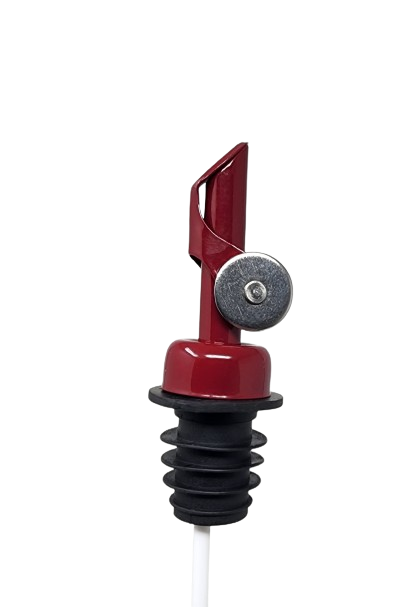
The diversity of pour spouts available caters to a wide spectrum of kitchen needs and personal preferences, highlighting that not all spouts are created equal. Tapered metal spouts, often crafted from stainless steel or aluminum, stand as the most prevalent choice, prized for their elegant design, robust durability, and precise pouring capabilities. Many of these spouts feature a flip-top cover, acting as a barrier against dust and contaminants, thus preserving the oil’s quality. Conversely, silicone or rubber pour spouts offer a more adaptable solution, characterized by their flexibility and ease of insertion and removal. These spouts conform snugly to various bottle sizes and frequently include a cap to maintain the oil’s freshness, making them a versatile option for diverse kitchen setups.
For those seeking even greater control over their oil usage, measured pour spouts provide a practical solution. These specialized spouts dispense a pre-determined quantity of oil with each pour, proving invaluable for individuals monitoring their intake. Automatic closing spouts, distinguished by their integrated flap mechanism, offer a blend of convenience and freshness preservation. These spouts automatically open when tilted for pouring and close when upright, effectively safeguarding the oil from exposure while streamlining the cooking process. Each type of pour spout presents unique advantages, allowing users to select the option that best aligns with their culinary habits and requirements.
How to Choose the Best Pour Spout
Selecting the ideal olive oil spout from a plethora of choices requires careful consideration of several key factors. Material plays a significant role; stainless steel offers robustness and a sophisticated appearance, seamlessly integrating into modern kitchen designs, while silicone provides flexibility and an airtight seal, crucial for preserving the oil’s quality. Your bottle type and overall kitchen aesthetic should guide this decision. Furthermore, the choice between a capped or uncapped spout impacts functionality and freshness. A cap effectively shields the oil from dust, insects, and air, extending its shelf life. However, for frequent users, an open spout offers convenient, immediate access.
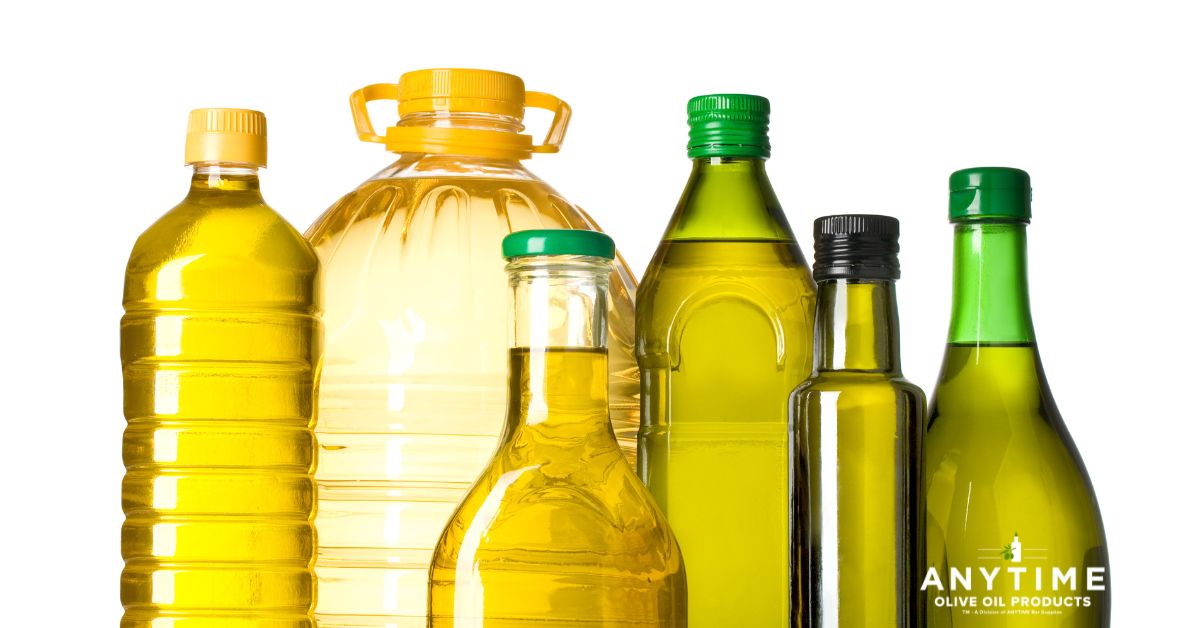 Beyond material and cap considerations, fit and compatibility are paramount. Ensuring the spout properly fits your bottle is essential for preventing spills and ensuring a secure seal. Some spouts are designed for standard olive oil bottles, while others boast adjustable designs to accommodate a wider range of sizes. Lastly, ease of cleaning should not be overlooked. Olive oil residue tends to accumulate over time, making a spout that is simple to clean a necessity. Dishwasher-safe options offer unparalleled convenience, while others may require manual rinsing to maintain hygiene and functionality.
How to Install and Maintain Your Pour Spout
Installing a pour spout is simple. Just remove the original cap, insert the spout snugly into the bottle’s opening, and ensure a tight fit.
To maintain it, regularly wipe the spout with a clean cloth, rinse it with warm soapy water, and let it dry before reinserting. If you notice clogging, soak the spout in warm water and use a small brush to remove oil residue.
Using an Olive Oil Pour Spout
A small investment in an olive oil pour spout can make a significant difference in your kitchen. From reducing waste to keeping your countertops clean and preserving the oil’s freshness, this tiny tool offers big benefits. If you haven’t tried one yet, now is the time to upgrade your olive oil experience—you’ll wonder how you ever managed without it!






 –
–