
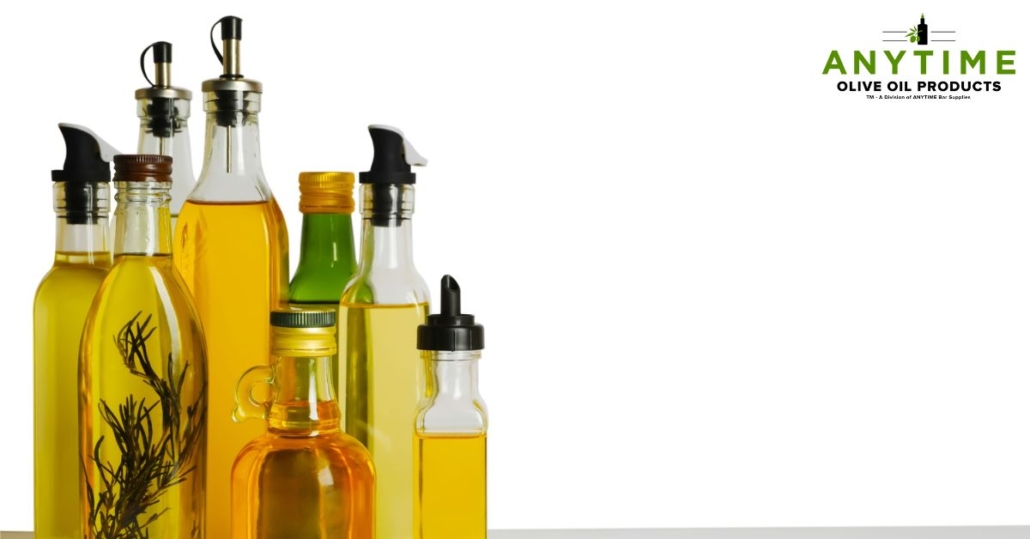
How to Select, Use, and Maintain Olive Oil Pour Spouts
Olive oil is a kitchen staple, but getting the most out of it starts with the right pour spout. Whether you’re drizzling olive oil on a fresh salad or sautéing vegetables, a well-chosen pour spout ensures precision, reduces waste, and keeps your kitchen organized. This September kitchen guide will walk you through selecting, using, and maintaining olive oil pour spouts for a seamless cooking experience.
Why Olive Oil Pour Spouts Matter
Pour spouts are more than a convenience—they help control flow, prevent spills, and protect olive oil from oxidation. Using the wrong spout can lead to messy drips or even quicker oil spoilage. Investing in a quality pour spout ensures you get the flavor and health benefits of olive oil in every dish.
How to Select the Right Olive Oil Pour Spout
When choosing a pour spout, consider these key factors:
1. Material
- Stainless Steel: Durable, rust-resistant, and sleek. Ideal for modern kitchens.
- Plastic: Lightweight and often affordable, but choose BPA-free options.
- Silicone: Flexible and easy to clean, perfect for tight-fitting bottles.
2. Flow Control
Some spouts allow for slow, precise pouring, while others have a wider flow for cooking in larger quantities. Look for adjustable or drip-free designs to reduce spills and waste.
3. Fit and Compatibility
Make sure your pour spout fits the bottle securely. Standard sizes work with most olive oil bottles, but specialty bottles may require a custom fit.
4. Additional Features
- Caps or Stoppers: Protect oil from dust and oxidation.
- Measuring Markings: Helpful for recipes that require precise amounts.
 Tips for Using Olive Oil Pour Spouts
 Tips for Using Olive Oil Pour Spouts
- Always clean the spout before first use to remove any manufacturing residues.
- Tilt the bottle gently for controlled pouring.
- Avoid touching the spout tip with your hands to maintain hygiene.
- Use the spout for both daily drizzling and cooking, but consider separate spouts for flavored oils to prevent cross-contamination.
Maintaining Your Olive Oil Pour Spouts
Regular maintenance extends the life of your pour spouts and keeps your olive oil fresh:
- Clean After Each Use: Wash with warm, soapy water and rinse thoroughly.
- Dry Completely: Prevents mold or bacterial buildup inside the spout.
- Store Upright: Keeps oil from clogging the spout.
- Check for Wear: Replace any spouts with cracks or stubborn residues to maintain hygiene.
Bonus Tip: Optimize Your Olive Oil Storage
Even the best pour spout won’t protect olive oil from heat, light, or air. Store bottles in a cool, dark cupboard away from the stove or sunlight to maintain flavor and nutritional benefits.
FAQs
Q1: Can I use any bottle for olive oil pour spouts?
A: Most spouts fit standard bottles, but check the size and seal before purchasing.
Q2: How often should I clean my pour spout?
A: Clean it after each use to prevent oil buildup and contamination.
Q3: Are stainless steel spouts better than plastic ones?
A: Stainless steel is more durable and easier to sanitize, while BPA-free plastic spouts are lightweight and affordable.
Q4: Can pour spouts help preserve olive oil?
A: Yes! A tight-fitting, drip-free spout reduces air exposure and slows oxidation.
By selecting the right pour spout, using it properly, and maintaining it regularly, you’ll enhance your cooking, reduce mess, and extend the life of your olive oil. This September, upgrade your kitchen routine with a simple tool that makes a big difference.




 –
–