
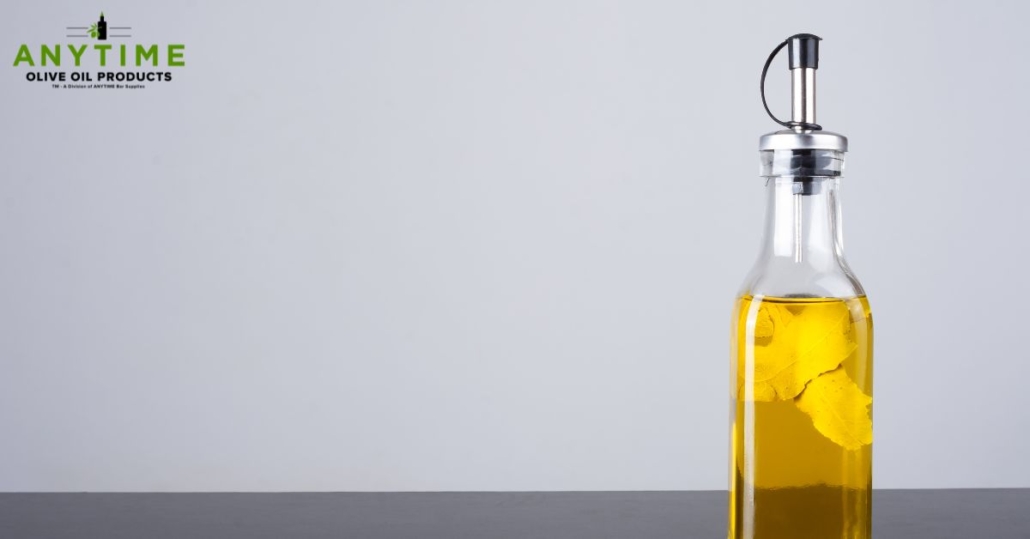
How to Prevent Rancidity: The Ultimate Guide to Storing Olive Oil with the Right Pour Spout
Olive oil, often called “liquid gold,” is a cornerstone of healthy cooking and gourmet cuisine. But even the highest quality olive oil can lose its luster, flavor, and health benefits if not stored properly. The enemy? Rancidity. Understanding how to prevent it is key, and surprisingly, the right pour spout plays a more crucial role than you might think.
Understanding Rancidity: What It Is and Why It Matters
Rancidity is the oxidation of fats and oils, leading to off-flavors (often described as waxy, metallic, crayon-like, or stale nuts), unpleasant odors, and a significant reduction in the oil’s beneficial antioxidants. It’s not just about taste; rancid oil lacks the healthy polyphenols and monounsaturated fats that make olive oil so prized.
The main culprits behind rancidity are:
- Oxygen: Exposure to air is the primary accelerator of oxidation.
- Light: UV and even fluorescent light can break down olive oil rapidly.
- Heat: Warmer temperatures speed up chemical reactions, including oxidation.
- Time: All oils will eventually go rancid, but proper storage extends their life.
The Role of the Pour Spout in Preventing Rancidity
Many people store olive oil directly in its original bottle, which is great for light protection if it’s dark glass. However, the frequent opening and closing of a cap, or worse, leaving a bottle completely open, invites oxygen to degrade your precious oil. This is where the wholesale pour spout becomes an indispensable tool for both consumers and businesses.
A high-quality pour spout designed for olive oil and vinegar offers several critical advantages in the fight against rancidity:
- Reduced Air Exposure: The best pour spouts feature a tight seal or a hinged cap that can be easily opened for pouring and quickly closed, minimizing the time the oil is exposed to oxygen. This is far more effective than repeatedly unscrewing and screwing on a cap.
- Controlled Pouring: Spills and drips lead to oil residue on the bottle’s exterior, which can oxidize and introduce off-flavors back into the main oil supply. A precise pour spout prevents this messy and wasteful issue.
- Hygienic Storage: A well-sealed pour spout also helps prevent dust, debris, and other contaminants from entering your oil, maintaining its purity.
- Convenience for Frequent Use: For those who use olive oil daily (and we encourage you to!), a pour spout makes access effortless, encouraging consistent use while simultaneously protecting the oil. This balance of accessibility and protection is paramount.
- Wholesale Benefits: For restaurants, delis, or specialty food stores, investing in wholesale pour spouts ensures that large quantities of olive oil remain fresh for longer, reducing waste and preserving product quality across multiple uses and customers.
Choosing the Right Olive Oil Pour Spout: Key Features
When selecting pour spouts for optimal olive oil preservation, look for these features:
- Airtight Seal: This is non-negotiable. Ensure the pour spout creates a snug fit in the bottle.
- Hinged Cap or Stopper: A cap that can be easily flipped open and closed immediately after pouring is ideal. This is superior to spouts that remain perpetually open.
- Durable Material: Stainless steel or high-quality food-grade plastic components are best for longevity and hygiene.
- Proper Fit for Bottle Necks: Olive oil bottles come in various sizes. Ensure your wholesale pour spouts are versatile enough to fit standard bottle neck openings, often 18mm or 20mm.
 Beyond the Spout: Holistic Olive Oil Storage Tips
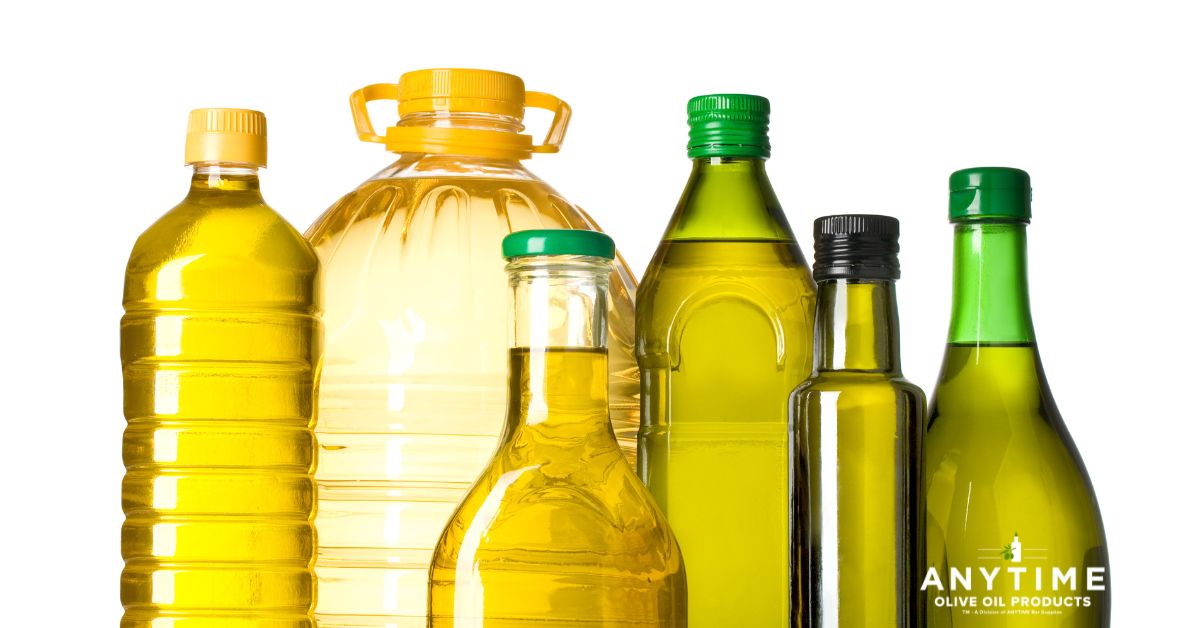 Beyond the Spout: Holistic Olive Oil Storage Tips
While the right pour spout is crucial, it’s part of a larger strategy to protect your olive oil:
- Store in a Cool, Dark Place: A pantry, cupboard, or cellar is perfect. Avoid storing olive oil near the stove, on a sunlit counter, or in the refrigerator (unless you don’t mind it solidifying – it won’t harm the oil, but it can be inconvenient).
- Use Dark Glass Bottles: If transferring oil from a large tin or clear bottle, always use dark-colored glass bottles to block light.
- Buy the Right Size: Purchase olive oil in a size you’ll use within a few months. While wholesale options are economical, ensure your storage practices accommodate the volume.
- Check the “Best By” Date: Olive oil doesn’t improve with age. Consume it before its recommended date.
Preventing rancidity in olive oil is a straightforward process when you understand the enemies: oxygen, light, and heat. By incorporating high-quality wholesale pour spouts into your storage routine, alongside smart storage practices, you can significantly extend the life, flavor, and health benefits of your “liquid gold.” Don’t let your investment go to waste – protect your olive oil, one pour at a time.
FAQs
Q1: How long does olive oil typically last before going rancid?
A1: High-quality extra virgin olive oil, stored properly, can last 18-24 months from the harvest date (not the bottling date). Once opened, it’s best to consume it within 3-6 months.
Q2: Can a pour spout truly make a difference in preventing rancidity?
A2: Absolutely. A pour spout with a good seal or hinged cap significantly reduces oxygen exposure compared to repeatedly opening and closing a screw cap, or worse, leaving the bottle open. This consistent air barrier is key.
Q3: How do I know if my olive oil has gone rancid?
A3: Rancid olive oil will often smell like old nuts, crayons, or even stale crackers. Its flavor will be flat, waxy, or metallic, losing its fresh, peppery, or fruity notes. It won’t typically cause harm if consumed, but it’s unpleasant and lacks health benefits.
Q4: Should I store olive oil in the refrigerator?
A4: While cold doesn’t harm olive oil, it will solidify and become cloudy, making it harder to pour. It will return to liquid at room temperature, but this constant change isn’t ideal for flavor. A cool, dark pantry is generally preferred.
Q5: What’s the advantage of buying wholesale pour spouts?
A5: Buying wholesale pour spouts is cost-effective for businesses (restaurants, catering, retailers) and even for home users who want to outfit multiple bottles. It ensures consistent quality control, better inventory management, and guarantees that all your oils are protected efficiently.






 –
–