
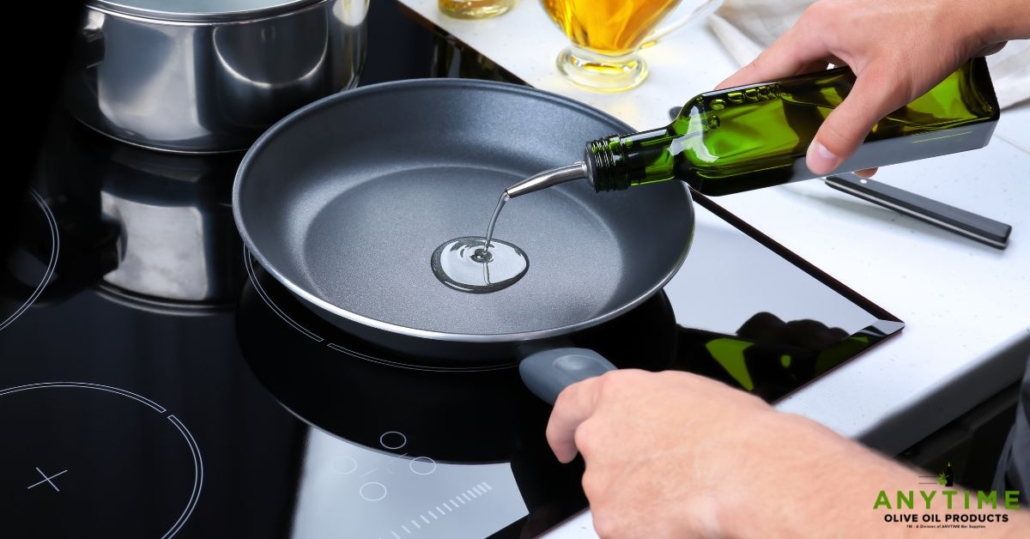
How to Choose the Right Pour Spout Dimensions for Your Olive Oil Brand
For a growing olive oil brand, packaging is everything. It protects your liquid gold from degradation, tells your brand’s unique story on retail shelves, and serves as the primary physical touchpoint for your customers.
However, even the most beautiful glass bottle will frustrate consumers if it leaks, drips, or spills during a pour.
Ensuring a flawless user experience comes down to a tiny, often overlooked detail: matching your bottle to the absolute correct pour spout dimensions. Ordering the wrong sizes can lead to loose fits, disastrous kitchen leaks, or thousands of dollars in wasted inventory.
Below, we break down exactly how to navigate industry bottle neck sizing so you can choose the perfect closure with absolute confidence.
Understanding the Anatomy of Bottle Neck Dimensions
To accurately select a pour spout from Olive Oil Pour Spouts, you must understand how glass manufacturers classify bottle openings. Bottle necks are universally designated by a two-number system (e.g., 28/400 or 31.5mm).
- The First Number (Thread Diameter): This indicates the outer diameter of the bottle’s threads in millimeters. For example, a “28” means the outermost rim measures roughly 28 millimeters across.
- The Second Number (Thread Finish): This refers to the specific height and style of the screw threads on the neck. A “400” finish indicates a single continuous thread turn.
While standard twist-off caps rely on both numbers, internal pour spouts and cork inserts care primarily about the inner neck diameter (the width of the actual opening where the liquid exits).
Standard Olive Oil Bottle Dimensions: A Quick Guide
While there are hundreds of custom glass bottle designs on the market, the specialty food and culinary industry relies heavily on a few standard neck sizes.
| Common Bottle Type | Outer Neck Thread Size | Inner Opening Diameter (Approx.) | Best Fitting Spout Type |
| Standard Dorica / Marasca | 31.5 mm | ~21 mm to 22 mm | 31.5mm standard plastic/silicone inserts with weighted tops |
| Classic Wine or Craft Style | 28 mm | ~18.5 mm to 19 mm | Tapered silicone or natural cork ribbed spouts |
| Small Favor/Sample Bottles | 24 mm | ~15.5 mm | Custom miniature narrow-gauge metal spouts |
Pro Tip: Never guess your inner diameter. Glass manufacturers provide a technical engineering document called a spec sheet for every bottle they sell. Always request this document from your glass supplier before ordering bulk pour spouts.
Step-by-Step: How to Measure Your Bottles Manually
If you already have your glass bottles on hand but do not have access to the manufacturer’s spec sheet, you can easily calculate the internal dimensions yourself using a pair of digital calipers.
- Measure the Inner Wall: Open your digital calipers and place the internal measuring jaws inside the absolute top lip of the bottle opening.
- Check the Depth: Ensure your measurement is taken at the narrowest point of the neck, as some artisan bottles taper outward or inward slightly lower down the throat.
- Account for Material Flexibility: Flexible fins (made of silicone, rubber, or plastic) on a pour spout are designed to compress. A premium spout should have a outer rib diameter that is roughly 0.5mm to 1mm larger than the bottle’s inner diameter to create a true airtight, leak-proof seal.

Why Choosing the Right Sizing Material Matters
The material surrounding your pour spout’s core determines how forgiving the dimensions will be.
Silicone & Thermoplastic Rubber (TPR)
Silicone fins offer incredible flexibility. They can compress easily to accommodate slight manufacturing variances in your glass bottles, making them an incredibly safe bet for bulk commercial packaging.
Natural & Synthetic Cork
Cork looks beautifully rustic and high-end, but it is less elastic than silicone. If your inner bottle neck dimensions vary by even a fraction of a millimeter due to glass molding tolerances, some cork spouts may slip out or fit too tightly. For cork finishes, precision measuring is vital.
By pairing the exact inner dimensions of your custom bottles with a high-performance, professionally sized spout, you eliminate kitchen messes entirely. Your consumers get a clean, effortless pour every time, cementing your brand’s reputation for premium quality.
FAQ
What is the most common pour spout size for commercial olive oil brands?
The absolute most common size for professional glass olive oil bottles (like the popular Marasca and Dorica styles) is a 31.5mm neck finish. These bottles usually require an internal insert or a specialized pourer designed specifically for a 31.5mm opening.
Can I use wine pour spouts for my olive oil brand bottles?
Standard wine bottles generally feature a 28mm neck finish or a cork opening measuring roughly 19mm internally. If your olive oil brand utilizes wine-style bottles or standard 28mm glass, standard wine pourers will fit beautifully. However, they will be too small for larger 31.5mm specialty oil bottles.
Why does my olive oil pour spout slip out of the bottle?
If a spout keeps popping out, it is likely because the inner diameter of the glass neck is too wide for the spout’s ribbed fins, or there is residual oil lubricated along the inner rim. Always make sure the glass is completely dry during assembly, and that your spout’s outer ribs are slightly larger than the opening.







 –