
Unlock the full potential of your olive oil! Explore our tips and tricks for better pouring, healthier cooking, and extended freshness.

How to Prevent Rancidity: The Ultimate Guide to Storing Olive Oil with the Right Pour Spout

Olive oil, often called “liquid gold,” is a cornerstone of healthy cooking and gourmet cuisine. But even the highest quality olive oil can lose its luster, flavor, and health benefits if not stored properly. The enemy? Rancidity. Understanding how to prevent it is key, and surprisingly, the right pour spout plays a more crucial role than you might think.

Understanding Rancidity: What It Is and Why It Matters

Rancidity is the oxidation of fats and oils, leading to off-flavors (often described as waxy, metallic, crayon-like, or stale nuts), unpleasant odors, and a significant reduction in the oil’s beneficial antioxidants. It’s not just about taste; rancid oil lacks the healthy polyphenols and monounsaturated fats that make olive oil so prized.

The main culprits behind rancidity are:

  1. Oxygen: Exposure to air is the primary accelerator of oxidation.
  2. Light: UV and even fluorescent light can break down olive oil rapidly.
  3. Heat: Warmer temperatures speed up chemical reactions, including oxidation.
  4. Time: All oils will eventually go rancid, but proper storage extends their life.

The Role of the Pour Spout in Preventing Rancidity

Many people store olive oil directly in its original bottle, which is great for light protection if it’s dark glass. However, the frequent opening and closing of a cap, or worse, leaving a bottle completely open, invites oxygen to degrade your precious oil. This is where the wholesale pour spout becomes an indispensable tool for both consumers and businesses.

A high-quality pour spout designed for olive oil and vinegar offers several critical advantages in the fight against rancidity:

  • Reduced Air Exposure: The best pour spouts feature a tight seal or a hinged cap that can be easily opened for pouring and quickly closed, minimizing the time the oil is exposed to oxygen. This is far more effective than repeatedly unscrewing and screwing on a cap.
  • Controlled Pouring: Spills and drips lead to oil residue on the bottle’s exterior, which can oxidize and introduce off-flavors back into the main oil supply. A precise pour spout prevents this messy and wasteful issue.
  • Hygienic Storage: A well-sealed pour spout also helps prevent dust, debris, and other contaminants from entering your oil, maintaining its purity.
  • Convenience for Frequent Use: For those who use olive oil daily (and we encourage you to!), a pour spout makes access effortless, encouraging consistent use while simultaneously protecting the oil. This balance of accessibility and protection is paramount.
  • Wholesale Benefits: For restaurants, delis, or specialty food stores, investing in wholesale pour spouts ensures that large quantities of olive oil remain fresh for longer, reducing waste and preserving product quality across multiple uses and customers.

Choosing the Right Olive Oil Pour Spout: Key Features

When selecting pour spouts for optimal olive oil preservation, look for these features:

  • Airtight Seal: This is non-negotiable. Ensure the pour spout creates a snug fit in the bottle.
  • Hinged Cap or Stopper: A cap that can be easily flipped open and closed immediately after pouring is ideal. This is superior to spouts that remain perpetually open.
  • Durable Material: Stainless steel or high-quality food-grade plastic components are best for longevity and hygiene.
  • Proper Fit for Bottle Necks: Olive oil bottles come in various sizes. Ensure your wholesale pour spouts are versatile enough to fit standard bottle neck openings, often 18mm or 20mm.

row of oil bottles lined up together - Anytime Olive Oil Products olive oil pour spoutsBeyond the Spout: Holistic Olive Oil Storage Tips


While the right pour spout is crucial, it’s part of a larger strategy to protect your olive oil:

  1. Store in a Cool, Dark Place: A pantry, cupboard, or cellar is perfect. Avoid storing olive oil near the stove, on a sunlit counter, or in the refrigerator (unless you don’t mind it solidifying – it won’t harm the oil, but it can be inconvenient).
  2. Use Dark Glass Bottles: If transferring oil from a large tin or clear bottle, always use dark-colored glass bottles to block light.
  3. Buy the Right Size: Purchase olive oil in a size you’ll use within a few months. While wholesale options are economical, ensure your storage practices accommodate the volume.
  4. Check the “Best By” Date: Olive oil doesn’t improve with age. Consume it before its recommended date.

Preventing rancidity in olive oil is a straightforward process when you understand the enemies: oxygen, light, and heat. By incorporating high-quality wholesale pour spouts into your storage routine, alongside smart storage practices, you can significantly extend the life, flavor, and health benefits of your “liquid gold.” Don’t let your investment go to waste – protect your olive oil, one pour at a time.

FAQs

Q1: How long does olive oil typically last before going rancid?

A1: High-quality extra virgin olive oil, stored properly, can last 18-24 months from the harvest date (not the bottling date). Once opened, it’s best to consume it within 3-6 months.

Q2: Can a pour spout truly make a difference in preventing rancidity?

A2: Absolutely. A pour spout with a good seal or hinged cap significantly reduces oxygen exposure compared to repeatedly opening and closing a screw cap, or worse, leaving the bottle open. This consistent air barrier is key.

Q3: How do I know if my olive oil has gone rancid?

A3: Rancid olive oil will often smell like old nuts, crayons, or even stale crackers. Its flavor will be flat, waxy, or metallic, losing its fresh, peppery, or fruity notes. It won’t typically cause harm if consumed, but it’s unpleasant and lacks health benefits.

Q4: Should I store olive oil in the refrigerator?

A4: While cold doesn’t harm olive oil, it will solidify and become cloudy, making it harder to pour. It will return to liquid at room temperature, but this constant change isn’t ideal for flavor. A cool, dark pantry is generally preferred.

Q5: What’s the advantage of buying wholesale pour spouts?

A5: Buying wholesale pour spouts is cost-effective for businesses (restaurants, catering, retailers) and even for home users who want to outfit multiple bottles. It ensures consistent quality control, better inventory management, and guarantees that all your oils are protected efficiently.

The 7 Must-Have Olive Oil Pour Spout Features for Wholesale Buyers

For businesses dealing in high-quality olive oil—from specialty food retailers to upscale restaurants and gift basket companies—the pour spout is not just an accessory; it’s a critical component of the user experience and a guardian of product quality. When you’re making a bulk or wholesale olive oil pour spout purchase, you need to look beyond the lowest price. You need a product that preserves the oil’s quality, prevents messes, and offers a premium user experience.

At Anytime Bar Supplies, we understand that wholesale buyers need reliability, durability, and features that protect valuable oil inventory. We’ve broken down the 7 must-have olive oil pour spout features that should be at the top of your checklist before placing your next bulk order.

1. Essential: The Self-Closing Seal Mechanism

Extra Virgin Olive Oil (EVOO) degrades rapidly when exposed to air (oxygen), a process called oxidation. This exposure is the enemy of flavor and health benefits.

For any professional kitchen or consumer who values their oil, an automatic or self-closing pour spout is non-negotiable. These advanced spouts feature a small, weighted flap or lever that instantly closes the opening when the bottle is turned upright.

Wholesale Buyer Benefit: This feature drastically extends the shelf life of the oil once the bottle is opened, provides maximum hygiene by keeping out dust and fruit flies, and offers a premium selling point for your retail customers. When sourcing a wholesale olive oil pour spout, prioritize this feature for high-end oils.

2. Food-Grade Stainless Steel Construction

Durability and hygiene go hand-in-hand, especially in commercial settings. While plastic components can reduce the upfront cost for a bulk order, stainless steel offers superior performance.

Look for pour spouts crafted from food-grade stainless steel. This material resists corrosion and rust (unlike cheaper metals), does not absorb flavors or odors, and is easy to clean. This is vital when the spouts will be rinsed repeatedly or used for different oils.

Wholesale Buyer Benefit: Stainless steel pourers offer greater longevity, reducing product returns and the need for frequent replacement. They also provide a professional, sleek aesthetic that appeals to a wider consumer and commercial market.

3. Optimal, Controlled Flow Rate

Olive oil is far more viscous than alcohol, so a standard liquor pour spout often releases oil too quickly, leading to waste and messy over-pouring. A quality olive oil pour spout wholesale selection should offer a specific flow rate designed for thicker liquids.

The best spouts will feature a tapered design and a specific air-intake system that allows for a smooth, consistent pour—perfect for delicate drizzling over a dish, not just dousing it.

Wholesale Buyer Benefit: Controlled flow leads to less wasted oil, saving your commercial customers money and preventing frustration for the home chef. It is a key factor in perceived product quality.

man wearing a blue shirt working in a wholesale facility - Olive Oil Pour Spouts wholesale olive oil pour spouts4. Leak-Proof and Universal Fit (The Seal)
A pour spout is useless if it leaks or falls out of the bottle. The quality of the seal (often called the cork or stopper) is paramount.

When purchasing olive oil pour spouts in bulk, inspect the seal material. High-quality spouts use flexible, food-safe rubber or EVA memory plastic corks. The stopper should have a tapered, multi-layered design to create an airtight seal that can fit a wide range of standard bottle neck sizes (e.g., 375ml and 750ml bottles).

Wholesale Buyer Benefit: A secure, tight fit prevents leaks, spillage, and unnecessary exposure to air, making for a cleaner and safer customer experience. Be sure your chosen supplier provides details on bottle compatibility.

5. Drip-Free Edge Design

The very definition of a “mess-free” pour is a spout that prevents oil from running down the side of the bottle after use. This seemingly small detail is a huge factor in customer satisfaction.

The best bulk olive oil pourers have a precisely engineered lip or spout tip that cleanly cuts the flow of oil, channeling any residual drips back into the bottle or down the spout’s exterior, rather than onto the bottle neck.

6. Ease of Cleaning and Maintenance

In any high-volume environment—like a deli, restaurant, or busy home kitchen—maintenance must be simple. Pour spouts that require complex disassembly or have tiny nooks and crannies prone to clogging will quickly become a nuisance.

Look for a two-piece design (spout and stopper) that can be easily separated for soaking and cleaning. The materials must be durable enough to withstand regular washing without warping or rusting.

Wholesale Buyer Benefit: Simplicity in cleaning translates directly to longer product life and better kitchen hygiene, which is a major concern for any business purchasing your products.

7. Aesthetic and Finish Options

While function is most important, appearance drives retail appeal. Your wholesale olive oil pour spout inventory should reflect the premium nature of the products it will be paired with.

Options in finish—like polished silver, classic gold, or even subtle black—allow your customers to match the spout to their kitchen decor or branding. The sleek, tapered body of the spout should be visually appealing on a kitchen counter or table.

Wholesale Buyer Benefit: Offering a choice of finishes can increase your average order value and attract buyers in the gift and gourmet sectors who prioritize visual presentation.

Partnering for Pouring Perfection

Choosing the right olive oil pour spout wholesale partner requires a strategic, feature-focused approach. Prioritizing self-sealing closures, durable stainless steel, and a controlled flow rate ensures you are stocking a premium product that protects your customers’ investment in fine olive oil.

By selecting pourers with these 7 key features, you demonstrate a commitment to quality that translates into customer loyalty and a successful wholesale business. Ready to upgrade your stock?

How to Select, Use, and Maintain Olive Oil Pour Spouts

Olive oil is a kitchen staple, but getting the most out of it starts with the right pour spout. Whether you’re drizzling olive oil on a fresh salad or sautéing vegetables, a well-chosen pour spout ensures precision, reduces waste, and keeps your kitchen organized. This September kitchen guide will walk you through selecting, using, and maintaining olive oil pour spouts for a seamless cooking experience.

Why Olive Oil Pour Spouts Matter

Pour spouts are more than a convenience—they help control flow, prevent spills, and protect olive oil from oxidation. Using the wrong spout can lead to messy drips or even quicker oil spoilage. Investing in a quality pour spout ensures you get the flavor and health benefits of olive oil in every dish.

How to Select the Right Olive Oil Pour Spout

When choosing a pour spout, consider these key factors:

1. Material

  • Stainless Steel: Durable, rust-resistant, and sleek. Ideal for modern kitchens.
  • Plastic: Lightweight and often affordable, but choose BPA-free options.
  • Silicone: Flexible and easy to clean, perfect for tight-fitting bottles.

2. Flow Control

Some spouts allow for slow, precise pouring, while others have a wider flow for cooking in larger quantities. Look for adjustable or drip-free designs to reduce spills and waste.

3. Fit and Compatibility

Make sure your pour spout fits the bottle securely. Standard sizes work with most olive oil bottles, but specialty bottles may require a custom fit.

4. Additional Features

  • Caps or Stoppers: Protect oil from dust and oxidation.
  • Measuring Markings: Helpful for recipes that require precise amounts.

person pouring oil into a cooking wok - Anytime Olive Oil Products oil pour spoutsTips for Using Olive Oil Pour Spouts

  • Always clean the spout before first use to remove any manufacturing residues.
  • Tilt the bottle gently for controlled pouring.
  • Avoid touching the spout tip with your hands to maintain hygiene.
  • Use the spout for both daily drizzling and cooking, but consider separate spouts for flavored oils to prevent cross-contamination.

Maintaining Your Olive Oil Pour Spouts

Regular maintenance extends the life of your pour spouts and keeps your olive oil fresh:

  1. Clean After Each Use: Wash with warm, soapy water and rinse thoroughly.
  2. Dry Completely: Prevents mold or bacterial buildup inside the spout.
  3. Store Upright: Keeps oil from clogging the spout.
  4. Check for Wear: Replace any spouts with cracks or stubborn residues to maintain hygiene.

Bonus Tip: Optimize Your Olive Oil Storage

Even the best pour spout won’t protect olive oil from heat, light, or air. Store bottles in a cool, dark cupboard away from the stove or sunlight to maintain flavor and nutritional benefits.

FAQs

Q1: Can I use any bottle for olive oil pour spouts?

A: Most spouts fit standard bottles, but check the size and seal before purchasing.

Q2: How often should I clean my pour spout?

A: Clean it after each use to prevent oil buildup and contamination.

Q3: Are stainless steel spouts better than plastic ones?

A: Stainless steel is more durable and easier to sanitize, while BPA-free plastic spouts are lightweight and affordable.

Q4: Can pour spouts help preserve olive oil?

A: Yes! A tight-fitting, drip-free spout reduces air exposure and slows oxidation.

By selecting the right pour spout, using it properly, and maintaining it regularly, you’ll enhance your cooking, reduce mess, and extend the life of your olive oil. This September, upgrade your kitchen routine with a simple tool that makes a big difference.

How to Choose the Perfect Olive Oil Pour Spout for Your Kitchen

If you love cooking at home, you know that a good bottle of olive oil is a kitchen essential. But have you ever considered how you pour your olive oil? The right olive oil pour spout not only makes cooking easier, but it also helps keep your oil fresh and your counters clean. Choosing the perfect spout for your kitchen can make a big difference in both convenience and flavor.

Why Use an Olive Oil Pour Spout?

An olive oil pour spout is more than just a lid. It controls the flow of oil, prevents spills, and protects the oil from air exposure that can lead to faster spoilage. Whether you drizzle olive oil over salads, add it to sauté pans, or finish a dish with a touch of flavor, the spout helps you pour the right amount every time.

Types of Olive Oil Pour Spouts

Not all pour spouts are created equal. Here are the most common types you’ll find:

  • Flip-top spouts – These have a small lid that closes automatically after pouring, keeping dust and air out.
  • Tapered metal spouts – Sleek and durable, they offer smooth, controlled pouring.
  • Silicone spouts – Flexible and easy to clean, often fitting a variety of bottle sizes.
  • Weighted pourers – Designed to open as you tilt the bottle, offering a hands-free experience.

What to Consider When Choosing a Pour Spout

When selecting the best spout for your kitchen, think about the following:

  1. Fit and size – Make sure the spout fits tightly in your olive oil bottle. Many are universal, but some are designed for specific bottles.
  2. Ease of cleaning – Olive oil can build up over time, so choose a spout that’s easy to remove and wash.
  3. Flow control – Do you prefer a thin drizzle for salads or a faster pour for cooking? Look for spouts with different flow rates.
  4. Material – Stainless steel is durable, silicone is versatile, and plastic is lightweight.
  5. Airtight seal – A good spout will protect your olive oil from oxidation, keeping it fresher longer.

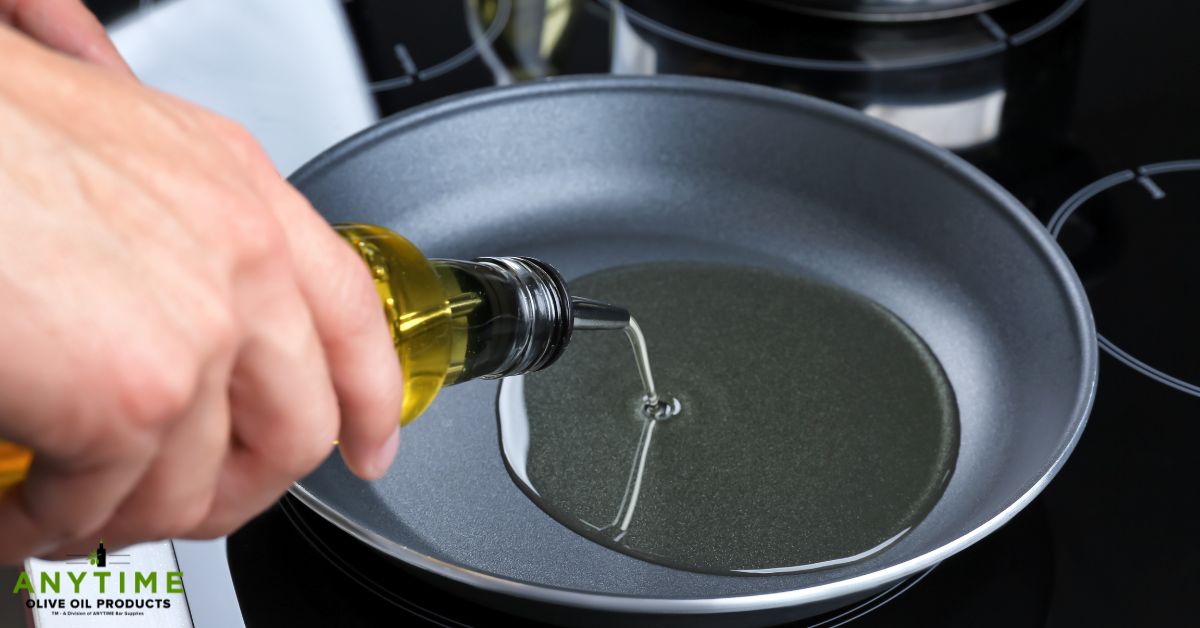
person pouring oil into a fry pan - Olive Oil Pour Spouts wholesale olive oil pour spoutsBenefits of Using a Pour Spout in Your Home Kitchen

  • Cleaner counters and bottles
  • Consistent oil flow for recipes
  • Reduced waste from spills
  • Better preservation of olive oil flavor
  • More professional presentation when cooking or serving

A simple upgrade like an olive oil pour spout can transform your everyday cooking. It keeps your oil fresh, makes pouring effortless, and adds a touch of style to your kitchen setup. Whether you’re a casual home cook or a passionate foodie, investing in the right spout is worth it.

FAQs

1. Do olive oil pour spouts fit all bottles?

Most pour spouts are designed to fit standard olive oil bottles, but always check the size before purchasing.

2. How do I clean a pour spout?

Remove it from the bottle, rinse with warm soapy water, and let it dry completely before reusing.

3. Can I use a pour spout for other liquids?

Yes! Pour spouts also work well for vinegar, syrups, and even liquor bottles.

4. Will a pour spout help olive oil last longer?

Yes, especially if it has a cap or seal. It reduces air exposure, which slows down oxidation.

September’s Guide to Stylish and Functional Olive Oil Pour Spouts for Restaurants & Home Use

When it comes to storing and serving olive oil, presentation and functionality both matter. Whether you are running a busy restaurant or creating a cozy dining atmosphere at home, olive oil pour spouts make a big difference. They help with portion control, prevent messy spills, and elevate the overall look of your table or kitchen counter.

In this September guide, we’ll explore how to choose the best pour spouts for oil, highlight different styles available, and explain why they’re essential for both professional kitchens and home cooks.

Why Olive Oil Pour Spouts Are Essential

Olive oil is one of the most frequently used ingredients in cooking and serving. Without a spout, it’s easy to pour too much or end up with oil dripping down the bottle. Here’s why olive oil pour spouts are a smart investment:

  • Control & Precision – Achieve just the right drizzle without waste.
  • Clean Presentation – Keep bottles and counters free from oily residue.
  • Professional Look – Perfect for restaurant tables or open kitchens.
  • Freshness Protection – Many spouts come with caps to reduce air exposure.

Best Types of Olive Oil Pour Spouts

There are several types of pour spouts on the market. Choosing the right one depends on how you plan to use it—at home or in a commercial setting.

1. Stainless Steel Olive Oil Pour Spouts

Durable, rust-resistant, and sleek, stainless steel spouts are a favorite in restaurants. They withstand heavy use while keeping a polished look.

2. Plastic Pour Spouts

Lightweight and affordable, plastic spouts are great for casual home use. Many come with dust caps to keep the oil clean.

3. Flip-Top Olive Oil Spouts

Designed with a hinged cap, these spouts automatically close after pouring, making them hygienic and ideal for high-traffic environments like restaurants.

4. Tapered Metal Spouts

These classic bar-style spouts work well for both olive oil and vinegar. Their narrow opening ensures a smooth, consistent pour.

bowl of olives next to a pitcher of olive oil - Anytime Olive Oil Products oil pour spoutsChoosing the Right Pour Spout for Your Needs
  • For Restaurants: Look for durable stainless steel or flip-top designs to handle frequent use. Easy cleaning and a professional appearance are key.
  • For Home Use: A stylish glass bottle with a tapered or plastic spout can complement your kitchen décor while offering convenience.
  • For Outdoor Dining: Opt for spouts with caps to prevent dust, insects, or air from getting into your olive oil.

Care and Maintenance Tips

To get the most out of your olive oil pour spouts, regular cleaning is essential. Rinse with warm, soapy water weekly, especially in restaurant settings. For stainless steel models, a quick polish will keep them looking sharp.

Olive Oil Pour Spouts

Whether you’re a chef managing a bustling kitchen or a home cook who loves a neat, stylish setup, pour spouts are a simple yet powerful upgrade. They combine functionality with presentation, ensuring that every pour is smooth, precise, and mess-free.

Investing in the right spout means better control, less waste, and a more professional look—making it a must-have accessory this September.

FAQs

1. Can I use olive oil pour spouts on any bottle?

Most pour spouts are designed to fit standard olive oil bottles, but always check the size of the cork or stopper before purchasing.

2. Do pour spouts help preserve oil?

Yes. Many models include caps or seals that minimize air exposure, helping to keep your olive oil fresher for longer.

3. How often should I clean my pour spout?

For home use, once a week is enough. In restaurants, daily cleaning is recommended for hygiene and presentation.

4. Are stainless steel spouts better than plastic ones?

Stainless steel spouts are more durable and professional-looking, while plastic spouts are lightweight, affordable, and practical for casual use.

Elevate Your Cooking: The Unsung Hero of Your Kitchen – The Olive Oil Pour Spout

In the world of home cooking, we often focus on the big-ticket items: the stand mixer, the high-end knife set, the cast-iron skillet. We spend countless hours researching the perfect appliances, yet we overlook the simple, inexpensive tools that can make a monumental difference in our daily culinary endeavors. Among these “unsung heroes” is a humble, yet powerful, kitchen accessory: the olive oil pour spout.

For home cooks who value precision, flavor, and a clean countertop, an olive oil pour spout is a game-changer. It transforms a bulky, hard-to-handle bottle into a tool of grace and control, allowing you to drizzle, pour, and finish dishes with a professional’s touch.

Beyond the Drizzle: The Benefits of an Olive Oil Pour Spout

Why should you upgrade your kitchen with this simple gadget? The benefits go far beyond a clean pour.

  • Precision and Control: A good pour spout provides a smooth, steady stream of oil. No more glugging or splashing, which is vital for dressing salads or finishing dishes. It ensures a perfect balance of flavor without drowning your food.
  • Waste Reduction: An open bottle often causes you to use more oil than needed, which is wasteful and can make your food greasy. A spout helps you control the exact amount, saving you money and calories.
  • Preservation and Freshness: Air is the enemy of olive oil, causing it to oxidize and lose flavor. A proper pour spout seals the bottle better than a factory cap, protecting your oil and keeping it fresh longer.
  • Aesthetic and Convenience: A sleek spout on an olive oil bottle looks good on your counter. It’s a stylish, functional upgrade that makes accessing your oil quick and easy.

person pouring oil into a spoon over a salad - Anytime Olive Oil Products olive oil pour spoutsHow to Choose the Right Pour Spout

When shopping for an olive oil pour spout, consider the following:

  • Material: Look for high-quality stainless steel or food-grade rubber and plastic. These materials are durable, easy to clean, and won’t react with the oil.
  • Fit: Ensure the spout has a good seal to prevent leaks. Many spouts have a ribbed or conical rubber base that can fit a variety of bottle neck sizes.
  • Design: A spout with a hinged cap is a great feature, as it protects the oil from dust and debris while still providing easy access.

Simple Upgrade, Major Impact

Adding an olive oil pour spout to your collection of kitchen accessories is a simple, affordable upgrade that pays dividends in both flavor and convenience. It’s a small change that will have a big impact on your cooking, allowing you to master the art of the perfect drizzle and truly elevate your home cooking.

FAQ Section

Q: Do I need a special bottle for an olive oil pour spout?

A: No, most pour spouts are designed to fit standard olive oil bottles. They typically have a universal, tapered rubber stopper that creates a secure seal.

Q: Are olive oil pour spouts dishwasher safe?

A: Most stainless steel and rubber pour spouts are dishwasher safe, but it’s always best to check the manufacturer’s instructions. A quick rinse with hot, soapy water is usually sufficient.

Q: Can I use an olive oil pour spout for other liquids?

A: Yes! While they are ideal for olive oil, pour spouts can also be used for other cooking oils, vinegar, salad dressings, and even syrups.

Drip, Drizzle, Done: Mastering the Art of Pouring with an Olive Oil Pour Spout

Tired of messy pours and oil-slicked countertops? You’ve come to the right place. An olive oil pour spout is a simple tool that can revolutionize your cooking and make you feel like a professional chef. In this guide, we’ll dive into the world of olive oil pour spouts, showing you how to choose the right one, use it with precision, and keep it clean.

Using a pour spout for your olive oil offers a simple yet elegant solution to a common kitchen problem. Say goodbye to glugging bottles and hello to a smooth, controlled stream of oil for sautéing, dressing salads, or finishing a dish with a perfect drizzle.

The Anatomy of a Perfect Pour

An olive oil pour spout is more than just a piece of metal or plastic. The best ones are designed to create a tight seal, preventing oxidation, and often include a vented design for a consistent, smooth pour. This is crucial because oxygen can cause your olive oil to degrade in flavor over time. By using a pour spout with a secure fit, you’re not only making your life easier but also preserving the quality of your favorite olive oil.

Tips for Mastering the Drizzle

  1. Choose a Quality Spout: Look for spouts with a rubber or silicone stopper that creates a snug, leak-proof seal. Materials like stainless steel are durable and easy to clean.
  2. Practice Makes Perfect: Start with a slow and steady pour. You’ll quickly get a feel for how much pressure to apply to get the desired stream. For a fine drizzle, tilt the bottle gently. For a faster pour, tilt it more dramatically while keeping control.
  3. Keep it Clean: Regularly cleaning your pour spout is essential. Oil residue can build up, clog the spout, and go rancid. Most pour spouts are easily removable and can be washed with warm, soapy water. For a deeper clean, a soak in vinegar can help break down stubborn oil buildup.

bottles of olive lined up together - Anytime Olive Oil Pour SpoutsFAQ: Your Questions Answered

  • Q: Will an olive oil pour spout fit on any bottle?

    • A: Most pour spouts are designed to fit standard-sized olive oil bottles. However, bottle necks can vary, so it’s always a good idea to check for compatibility or choose a brand that offers a universal design with flexible rubber or silicone collars.
  • Q: Do pour spouts really help the olive oil last longer?

    • A: Yes, they do. By creating a tighter seal and limiting the oil’s exposure to air, a pour spout helps to slow the oxidation process that causes olive oil to go rancid. This means your oil will stay fresh and flavorful for a longer period.
  • Q: Can I use a pour spout for other liquids?

    • A: Absolutely! Pour spouts are versatile and can be used for a variety of liquids, including balsamic vinegar, soy sauce, and other cooking oils.

By following these simple steps, you can elevate your cooking experience and make every pour a perfect one. The right tools, like a quality olive oil pour spout, can make all the difference in the kitchen.

How to Use an Oil Spout for Precise Measurements in Cooking and Baking

Ever tipped a bottle of olive oil and ended up with way more than you intended? A simple tool—the oil spout—can change that forever. This small gadget attaches to your oil bottle and gives you complete control over how much you pour, whether you’re drizzling on a salad or measuring for a cake.

Cooking and baking are all about balance. A splash too much oil can make fried food greasy, ruin a cake’s texture, or overwhelm the flavor of a dish. Using an oil spout helps you pour just the right amount, cut down on waste, and keep your counters clean.

What Is an Oil Spout?

An oil spout is a small nozzle that fits snugly into an oil bottle’s neck. It narrows the opening so oil flows out in a steady, controlled stream.

There are a few main types:

  • Basic spouts – simple and affordable, perfect for everyday cooking oils.

  • Measured pour spouts – dispense set amounts (great for calorie-conscious cooks).

  • Flip-top spouts – keep the oil fresh and dust-free.

No matter the style, all oil spouts share the same goal: giving you precision when pouring.

person mixing baked items in a mixing bowl - Olive Oil Pour Spouts oil spoutWhy Use an Oil Spout?

The benefits go way beyond convenience:

  • Accurate measurements – Perfect for baking, where too much or too little oil can ruin a recipe.
  • Less mess – No greasy bottle rims or oil puddles on the counter.
  • Save money – Stop wasting expensive oils by over-pouring.

Think of it like a dimmer switch for your oil—you’re in control of every drop.

How to Set Up Your Oil Spout

Attaching an oil spout is simple, but doing it right matters:

  1. Clean the bottle neck – Wipe off any residue so the spout fits snugly.

  2. Insert the spout firmly – Twist slightly as you push it in for a tight seal.

  3. Test the pour – Tilt over a sink first to check for leaks or drips.

Once fitted, your spout should pour cleanly without wobbling or dripping down the sides.

How to Use an Oil Spout While Cooking and Baking

Here’s where the magic happens.

For cooking, you can drizzle oil neatly into a pan, coat veggies for roasting, or finish a dish with a delicate ribbon of olive oil—all without dirtying a spoon.

person mixing baked items in a mixing bowl - Olive Oil Pour Spouts oil spoutFor baking, you can pour oil directly into a measuring spoon without spills, or even pour straight into the mixing bowl with practice. (A slow two-second pour might equal about a teaspoon.)

With an oil spout, you’re not just guessing—you’re in control.

Cleaning and Maintaining Your Oil Spout

Oil can build up and turn sticky if you don’t clean the spout regularly. Luckily, it’s quick:

  • Rinse the spout under warm water after each refill.

  • Wash with a little dish soap if it feels greasy.

  • Deep clean weekly or whenever you notice buildup.

A clean spout not only looks better—it pours better and lasts longer.

This tool might be the best kitchen upgrade you never thought about. It saves oil, prevents messes, and helps you hit the exact measurements your recipes call for. Whether you’re drizzling truffle oil on a dish or measuring vegetable oil for brownies, this tiny tool makes a big difference.

Enhance Your Olive Oil Experience with a Stainless-Steel Pour Spout

If you love cooking or drizzling olive oil on everything from salads to sourdough, then you’ve probably faced the same issue many home chefs do: the messy, uncontrolled pour from a bulky olive oil bottle. It’s frustrating, isn’t it? That golden liquid gold deserves more respect. That’s where a stainless-steel pour spout comes into play — a small yet mighty upgrade that can totally transform your kitchen game.

Let’s break down how something so simple can enhance not just your olive oil experience but also your culinary precision and overall kitchen aesthetic.

The Olive Oil Dilemma: Why Bottle Necks Just Don’t Cut It

Ever tried to pour just a dash of olive oil only to end up with a puddle on your plate? Olive oil bottles, especially the large glass ones, aren’t designed for finesse. They’re functional but far from precise. The wide neck creates splashes, drips, and let’s not forget the sticky residue that coats the cap and runs down the bottle.

It’s a messy business — and unnecessary when there’s a sleek, affordable solution.

What Is a Stainless-Steel Pour Spout?

In simple terms, a stainless-steel pour spout is a small, tube-like nozzle that fits into the neck of your olive oil bottle. It often includes a flip-top or gravity lid to keep dust and air out, and most are designed to provide a controlled, steady flow.

Think of it as the difference between drinking water from a bucket versus a straw. One’s chaos; the other is elegance.

Why Stainless Steel? Isn’t Plastic Good Enough?

You may have seen plastic pour spouts at a lower price, and sure — they work… for a while. But here’s why stainless steel wins hands down:

  • Durability: Stainless steel doesn’t crack, warp, or degrade over time.

  • Non-reactive Material: It won’t alter the flavor of your olive oil like some plastics can.

  • Elegant Look: It adds a touch of sophistication to your countertop.

  • Easy to Clean: Stainless steel is dishwasher safe and resistant to oil buildup.

It’s like comparing disposable chopsticks to a finely carved wooden pair — functionally similar, but one offers a much better experience.

Controlled Pouring = Less Waste, More Flavor

Let’s be honest — olive oil isn’t cheap. Whether you’re using everyday blends or splurging on a cold-pressed extra virgin, wasting it is never ideal. A stainless-steel pour spout gives you precise control so you can:

  • Drizzle the perfect amount on bruschetta

  • Add just enough to coat your pan

  • Dress salads without drowning your greens

And the best part? No more over-pouring or trying to “catch” the excess with your hand or a paper towel. That control equals cost savings in the long run.

Keeps Your Oil Fresher for Longer

Oxidation is olive oil’s worst enemy. When exposed to air, light, and heat, its flavor breaks down and its health benefits diminish. A stainless-steel pour spout often includes a cap or sealing mechanism that:

  • Reduces air exposure

  • Blocks dust and debris

  • Helps maintain freshness

This is especially crucial if you store your olive oil in a clear bottle or near a stove. It’s like putting a cork back in a bottle of wine — it just makes sense.

person pouring oil into a fry pan - Olive Oil Pour Spouts stainless steel pour spoutPerfect for the Home Chef and Professional Kitchen Alike

If you cook daily, you know how small inconveniences add up. That heavy bottle with a sticky rim? It’s a time-waster. Stainless-steel pour spouts are used in commercial kitchens for good reason:

  • Speed up cooking with a one-handed pour

  • Improve accuracy when following recipes

  • Reduce mess during rush prep hours

Even if you’re just whipping up pasta at home, the same benefits apply. It turns a frustrating task into a satisfying, clean experience.

Say Goodbye to Greasy Bottles

Oil tends to get… everywhere. That sticky film on the bottle’s neck? That’s a combo of drips, exposure to air, and your own hands. A stainless-steel pour spout almost eliminates this.

Because it channels the oil cleanly from bottle to plate or pan, there’s virtually no residue to wipe away. No more hiding the bottle when guests come over!

Stylish and Sleek: Aesthetic Matters Too

We spend time picking pretty salt grinders and artisan vinegar bottles — why not upgrade the presentation of your olive oil, too?

A stainless-steel pour spout doesn’t just work better, it looks better. Clean lines, modern shine, and a professional vibe. Whether you keep your oil on the counter or dining table, it makes your kitchen feel just a bit more gourmet.

Universal Fit for Most Bottles

Worried about sizing? Most stainless-steel pour spouts come with a rubber or silicone base that snugly fits into almost any standard oil bottle. Whether it’s an imported Italian glass bottle or a grocery store brand, chances are — it fits like a glove.

Easy to Clean, Easy to Love

Cleaning is simple. Just remove the spout, rinse it with warm soapy water, and it’s good to go. Some models are even dishwasher-safe. The result? No lingering flavors or oil crusts, and your spout stays as clean as the day you bought it.

Tips for Choosing the Best Stainless-Steel Pour Spout

Ready to buy one? Here are a few tips to get the best bang for your buck:

  • Check the Seal: Look for a tight-fitting silicone base that won’t slip.

  • Go for a Cap: A flip-top or gravity lid is ideal to keep air and contaminants out.

  • Choose Quality: Cheap imitations rust or corrode — invest in food-grade stainless steel.

  • Read Reviews: Other users will often point out hidden flaws or unexpected perks.

Bonus Hack: Use It for More Than Just Olive Oil

Yes, we’re focusing on olive oil here — but don’t stop there. These pour spouts also work great for:

  • Balsamic vinegar

  • Vegetable and canola oil

  • Soy sauce

  • Syrups for coffee or cocktails

If it’s a liquid and it lives in your kitchen, chances are it could benefit from a stainless-steel pour spout.

Makes a Great Gift for Foodies

Shopping for someone who loves cooking? Pair a quality bottle of extra virgin olive oil with a sleek stainless-steel spout. It’s thoughtful, functional, and something they’ll use every day — not just another gadget to gather dust.

Upgrade Your Pour, Upgrade Your Life

At first glance, a stainless-steel pour spout might seem like a small upgrade. But once you use it, you’ll wonder how you ever lived without it. It saves time, reduces waste, enhances presentation, and keeps your oil fresh and your hands clean. That’s a lot of wins from a tiny little tool.

So go ahead — treat your olive oil (and yourself) to something better. Your kitchen routine deserves this kind of everyday luxury.

The Art of Dressing: Perfectly Drizzle Your Salads Using an Oil Pour Spout

Let’s face it — no one likes a soggy salad.

You prep those fresh greens, toss in some cherry tomatoes, maybe some crumbled feta and toasted nuts, and then? A giant, gloppy mess of dressing ruins everything. It’s frustrating, especially when all you wanted was a lightly dressed, Instagram-worthy salad that tastes as good as it looks.

The answer? The humble oil pour spout.

What’s an Oil Pour Spout Anyway?

You’ve probably seen one at your favorite Italian restaurant — that sleek metal tip on top of the olive oil bottle, drizzling golden perfection over fresh bruschetta. That’s the oil pour spout. It’s a tiny upgrade with a major payoff.

These spouts are designed to regulate flow, giving you control over how much oil (or vinegar) comes out. Whether you’re aiming for a light drizzle or a steady stream, it makes the job clean, elegant, and precise.

Why Every Home Cook Should Use One

No More Overdressing

You know the drill — tip the bottle, and suddenly half your dressing is drowning your salad. Oil pour spouts give you control. You drizzle, not dump.

Cleaner Counters

Say goodbye to oily rings on your countertop or sticky bottle necks. These spouts minimize drips and mess.

Preserves Oil Quality

Some spouts come with built-in caps that protect your oil from light and air — which means longer shelf life and better flavor.

person pouring oil over tomatoes and lettuce - Anytime Olive Oil Products oil pour spoutThe Art of the Drizzle

Think of dressing your salad like painting a canvas. It’s not about pouring — it’s about layering flavor with intention.

Step 1: Start With the Right Oil

Extra virgin olive oil is the gold standard. It’s rich, flavorful, and loaded with heart-healthy fats. But don’t sleep on avocado oil, walnut oil, or even sesame oil for that nutty kick.

Step 2: Use a Quality Pour Spout

Go for a stainless-steel spout with a rubber stopper — it fits snugly and won’t rust. Bonus points if it has a dust cap.

Step 3: Technique Matters

Hold the bottle about 6 inches above your salad. Tilt gently and move your hand in a circular motion as you pour. This helps distribute the oil evenly across the surface.

Less is more. You can always add more later, but once it’s soaked in, there’s no going back.

Pairing Oils and Greens Like a Pro

Every salad base has a personality. And the oil you use should match its vibe.

  • Delicate Greens (butter lettuce, baby spinach): Light olive oil or grape seed oil.

  • Hearty Greens (kale, arugula): Robust EVOO or walnut oil.

  • Exotic Mixes (Asian slaw, seaweed salad): Toasted sesame or chili oil for punch.

Match the intensity. Don’t let the oil overpower — or disappear.

Dress It Like You Mean It

Tip 1: Oil First, Then Acid

Most classic vinaigrettes call for 3 parts oil to 1 part acid. But when using a pour spout, you can layer them directly on the salad. First the oil (to coat the leaves), then the vinegar (to punch through).

Tip 2: Add a Touch of Sweet

A drizzle of honey or maple syrup helps round out the sharpness of vinegar and makes everything sing.

Tip 3: Don’t Forget Salt

Oil alone can taste flat. A pinch of flaky sea salt right before serving elevates the whole dish.

Creative Ways to Use a Pour Spout Beyond Salads

Don’t stop at greens. Oil pour spouts are game-changers across the kitchen.

Cooking

  • Add oil to your frying pan with finesse — no puddles.

  • Perfect for sautéing veggies without drowning them.

  • Evenly coat roasting pans.

Baking

  • Use mild oils like almond or canola to grease pans lightly.

  • Add precise amounts to batter or dough without overdoing it.

Making Your Own Custom Dressings

Take your drizzle game up a notch by creating your own dressings — right in the oil bottle.

Try This Simple Infusion

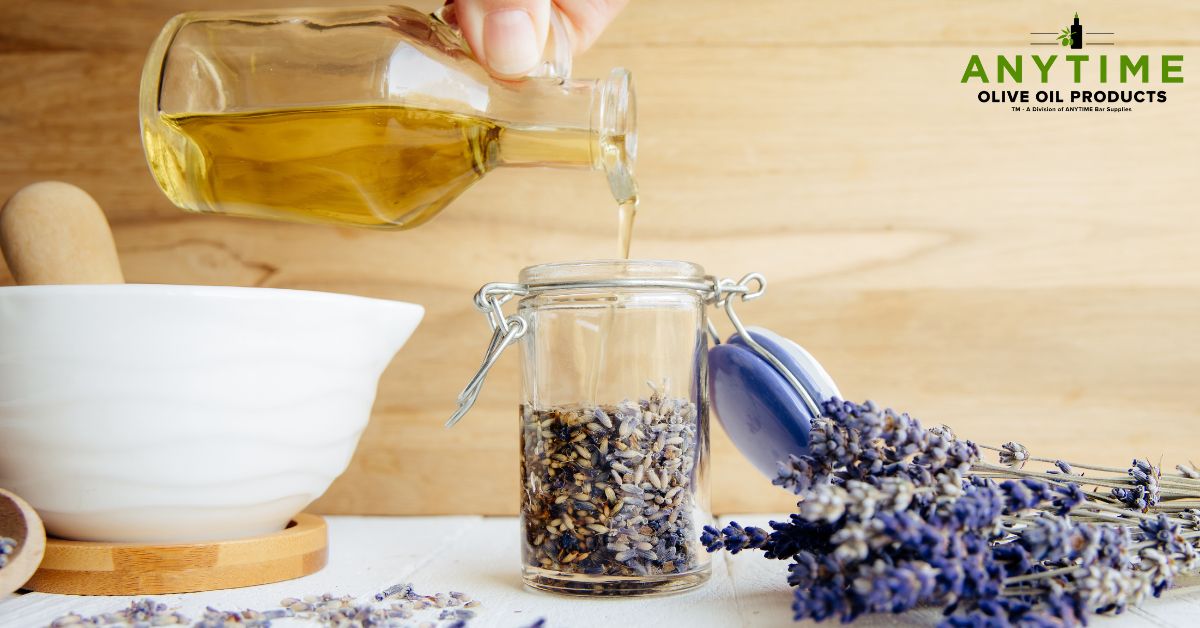
  • Add a few sprigs of rosemary, a garlic clove, and some chili flakes to your oil bottle.

  • Let it sit for a week.

  • Boom — homemade infused oil with restaurant-quality flavor.

Use a pour spout on that bottle, and you’ve got flavor magic at your fingertips.

Choosing the Right Oil Pour Spout

Not all pour spouts are created equal. Here’s what to look for:

Material

Go for stainless steel or food-grade plastic. Avoid low-quality metal that can rust.

Fit

Make sure it fits snugly into your oil bottle’s neck. A wobbly spout defeats the purpose.

Cap or Cover

Look for one with a flip-top or dust cover — it keeps bugs and dust out and preserves freshness.

Flow Control

Some spouts even come with adjustable flow control. Great if you use your bottle for different viscosities like thick dressings or syrups.

bowl with a vegetable salad and a wooden spoon - Anytime Olive Oil Products oil pour spoutMaintenance Matters

Even the best pour spout won’t last if you don’t clean it.

How to Clean It Properly

  • Soak in warm, soapy water once a week.

  • Use a small brush or pipe cleaner to scrub the inside.

  • Let it air dry completely before reinserting into the bottle.

Don’t forget — leftover oil can go rancid inside the spout.

Storage Tips to Maximize Flavor

Once you’ve got that drizzle game down, protect your oil.

  • Store bottles in a cool, dark place. Light and heat are oil’s enemies.

  • Use darker glass bottles. Clear bottles look nice, but they let in more light.

  • Label infused oils. Keep track of when you made them, and use within 1-2 months.

Make It Aesthetic

Let’s not lie — part of the fun is making your kitchen look like a Food Network set.

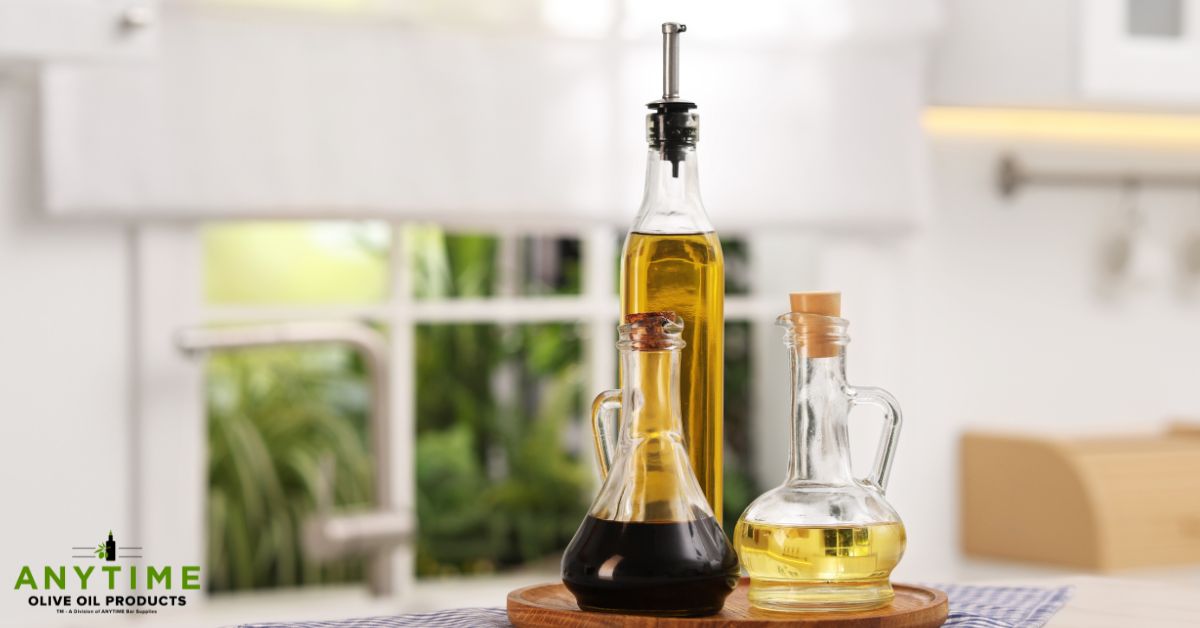
Get matching bottles with sleek pour spouts. Add handwritten labels like “Chili EVOO” or “Lemon Zest Vinegar.” Organize them on a wooden tray near your stove. It’s practical, and it adds a chef’s vibe to your space.

Take Your Salads from Sad to Show-Stopping

At the end of the day, the art of dressing isn’t just about flavor — it’s about care. Using an oil pour spout is a small change that makes a big difference. It gives you control, consistency, and that finishing touch that turns ordinary into exceptional.

So next time you’re about to dump dressing straight from the bottle, stop yourself. Grab that pour spout, take a moment, and drizzle like you mean it.

Your salads — and your guests — will thank you.