
Drip, Drizzle, Done: Mastering the Art of Pouring with an Olive Oil Pour Spout
Tired of messy pours and oil-slicked countertops? You’ve come to the right place. An olive oil pour spout is a simple tool that can revolutionize your cooking and make you feel like a professional chef. In this guide, we’ll dive into the world of olive oil pour spouts, showing you how to choose the right one, use it with precision, and keep it clean.
Using a pour spout for your olive oil offers a simple yet elegant solution to a common kitchen problem. Say goodbye to glugging bottles and hello to a smooth, controlled stream of oil for sautéing, dressing salads, or finishing a dish with a perfect drizzle.
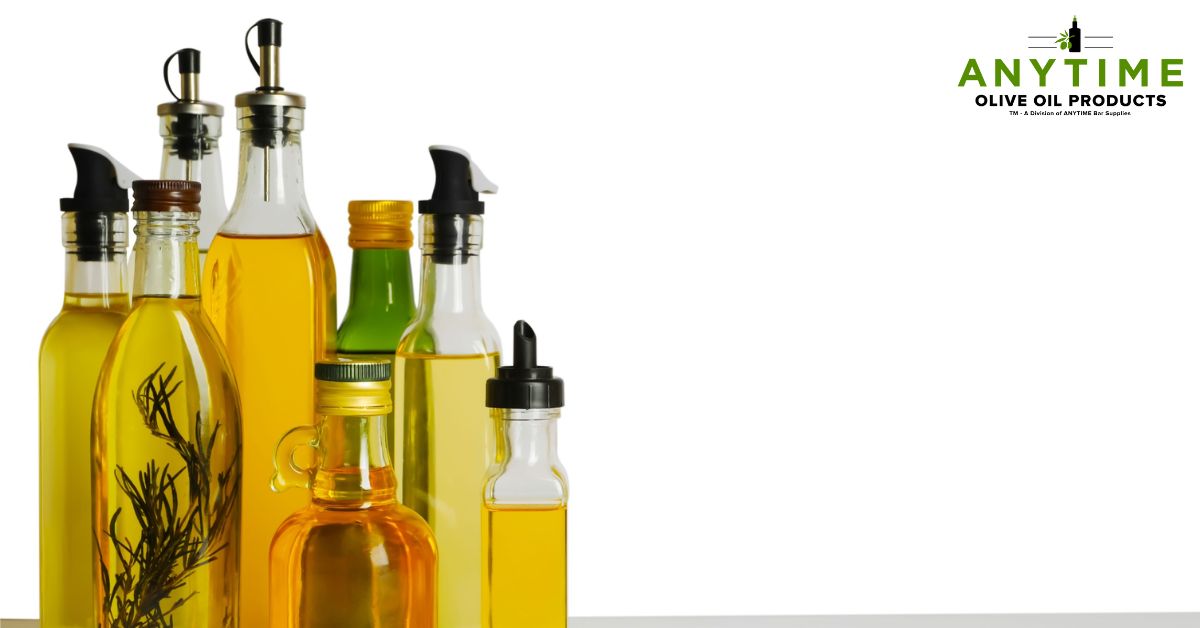
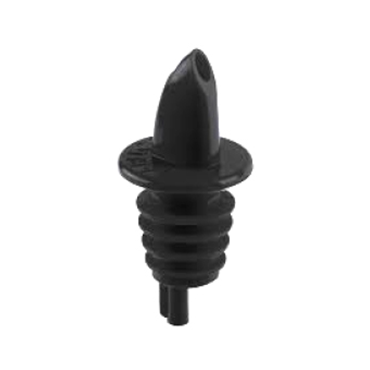
An olive oil pour spout is more than just a piece of metal or plastic. The best ones are designed to create a tight seal, preventing oxidation, and often include a vented design for a consistent, smooth pour. This is crucial because oxygen can cause your olive oil to degrade in flavor over time. By using a pour spout with a secure fit, you’re not only making your life easier but also preserving the quality of your favorite olive oil.
Tips for Mastering the Drizzle
- Choose a Quality Spout: Look for spouts with a rubber or silicone stopper that creates a snug, leak-proof seal. Materials like stainless steel are durable and easy to clean.
- Practice Makes Perfect: Start with a slow and steady pour. You’ll quickly get a feel for how much pressure to apply to get the desired stream. For a fine drizzle, tilt the bottle gently. For a faster pour, tilt it more dramatically while keeping control.
- Keep it Clean: Regularly cleaning your pour spout is essential. Oil residue can build up, clog the spout, and go rancid. Most pour spouts are easily removable and can be washed with warm, soapy water. For a deeper clean, a soak in vinegar can help break down stubborn oil buildup.
 FAQ: Your Questions Answered
 FAQ: Your Questions Answered
-
Q: Will an olive oil pour spout fit on any bottle?
- A: Most pour spouts are designed to fit standard-sized olive oil bottles. However, bottle necks can vary, so it’s always a good idea to check for compatibility or choose a brand that offers a universal design with flexible rubber or silicone collars.
-
Q: Do pour spouts really help the olive oil last longer?
- A: Yes, they do. By creating a tighter seal and limiting the oil’s exposure to air, a pour spout helps to slow the oxidation process that causes olive oil to go rancid. This means your oil will stay fresh and flavorful for a longer period.
-
Q: Can I use a pour spout for other liquids?
- A: Absolutely! Pour spouts are versatile and can be used for a variety of liquids, including balsamic vinegar, soy sauce, and other cooking oils.
By following these simple steps, you can elevate your cooking experience and make every pour a perfect one. The right tools, like a quality olive oil pour spout, can make all the difference in the kitchen.

 Why Use an Oil Spout?
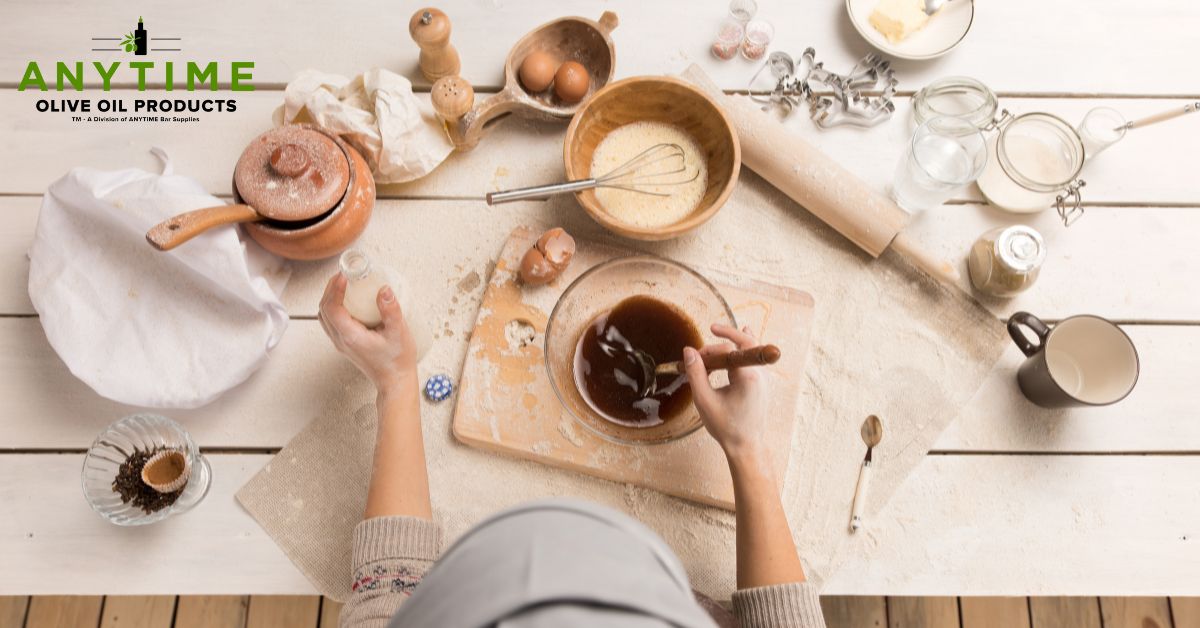 For baking, you can pour oil directly into a measuring spoon without spills, or even pour straight into the mixing bowl with practice. (A slow two-second pour might equal about a teaspoon.)
 Perfect for the Home Chef and Professional Kitchen Alike
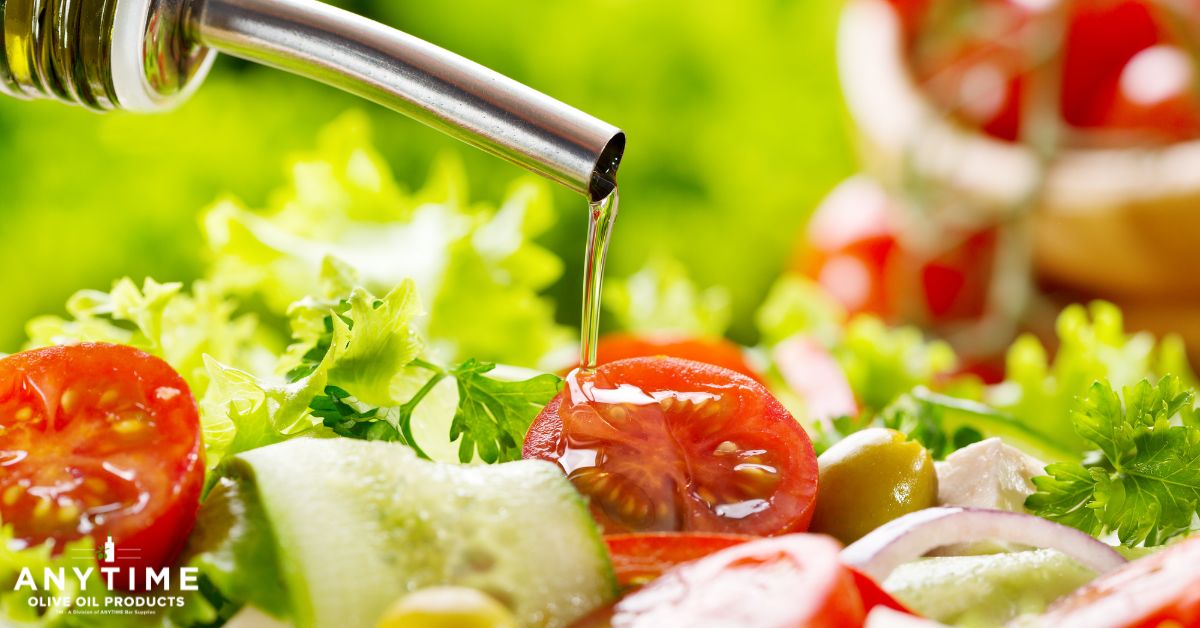 The Art of the Drizzle
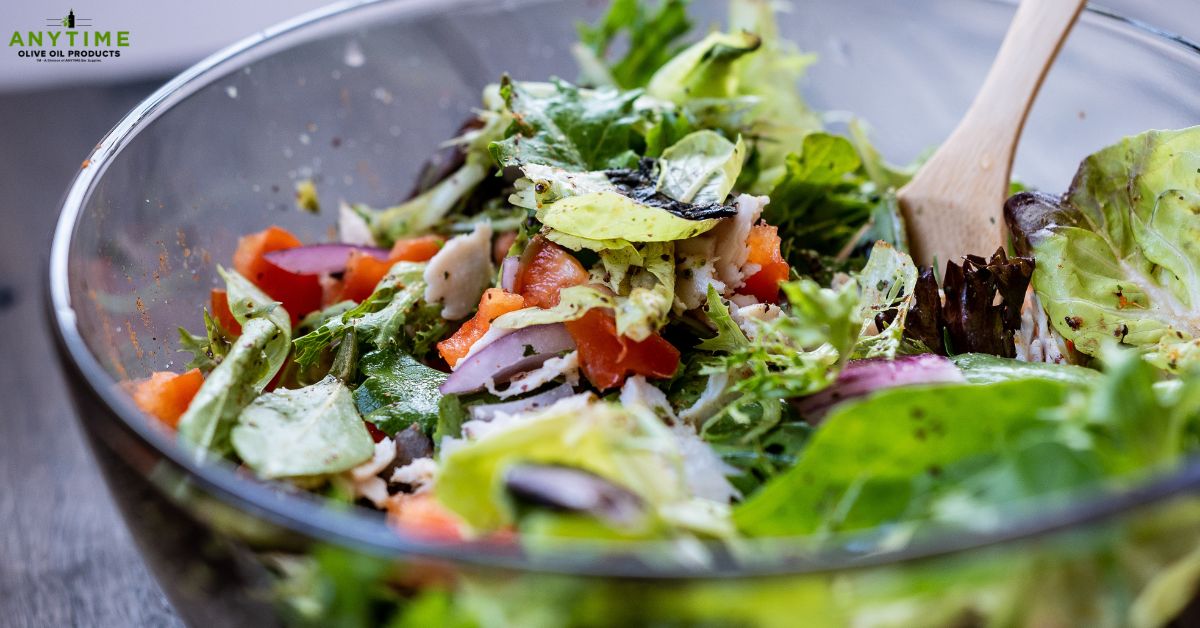 Maintenance Matters
 Deep Cleaning for Hardcore Build-Up
 The Case for Pouring Straight from the Bottle




 Where to Buy Quality Oil Pour Spouts
 5. Drip Irrigation for Small Garden Beds
 14. Reusing Oil Spouts for Other Kitchen Staples
 Better Organization and Workflow
 Leverage Seasonal Sales and Discounts
 –
–