
8 Common Mistakes That Are Ruining Your Extra Virgin Olive Oil
Extra virgin olive oil is one of the most valuable ingredients in any kitchen—but it’s also one of the most mishandled. From improper storage to careless pouring, small mistakes can quickly degrade flavor, aroma, and nutritional value.
Whether you’re a home cook or managing oil use in a professional setting, avoiding these common errors will help you protect your olive oil investment and get the most out of every bottle.
1. Storing Olive Oil Near Heat
Heat is one of olive oil’s biggest enemies. Keeping bottles near the stove, oven, or sunny windows accelerates oxidation.
Best practice: Store olive oil in a cool, dark place away from heat sources.
2. Exposing Olive Oil to Light
Light breaks down the antioxidants in extra virgin olive oil, causing it to lose freshness faster.
Solution: Use dark glass or stainless-steel containers and avoid clear bottles on open countertops.
3. Leaving Bottles Unsealed or Open
Oxygen degrades olive oil quickly. Leaving caps off or loosely sealed allows air to enter the bottle.
Why pour spouts matter: High-quality olive oil pour spouts are designed to control airflow while allowing smooth, efficient pouring.
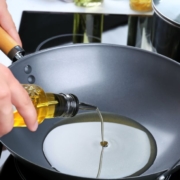
4. Using the Wrong Pouring Method
Free-pouring straight from the bottle often leads to:
- Overuse and waste
- Inconsistent portions
- Increased air exposure
Professional kitchens rely on olive oil pour spouts for precision, speed, and cleanliness—and home kitchens benefit just as much.
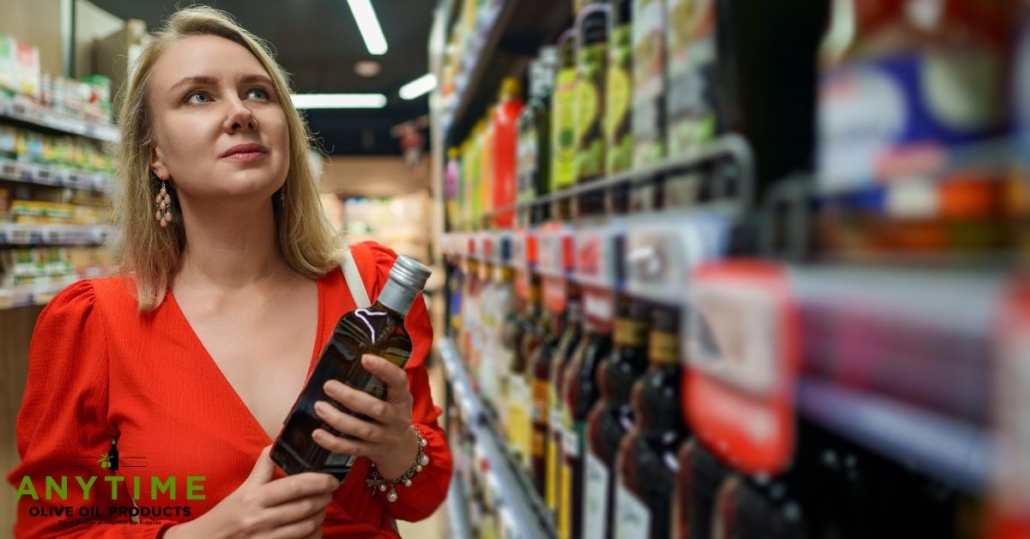
5. Buying Too Much Olive Oil at Once
Olive oil is best when fresh. Buying large quantities without proper storage or turnover can result in oil going rancid before it’s used.
Tip: Purchase quantities you’ll realistically use within a few months, or ensure airtight storage with controlled pour spouts.
 6. Using Extra Virgin Olive Oil Incorrectly
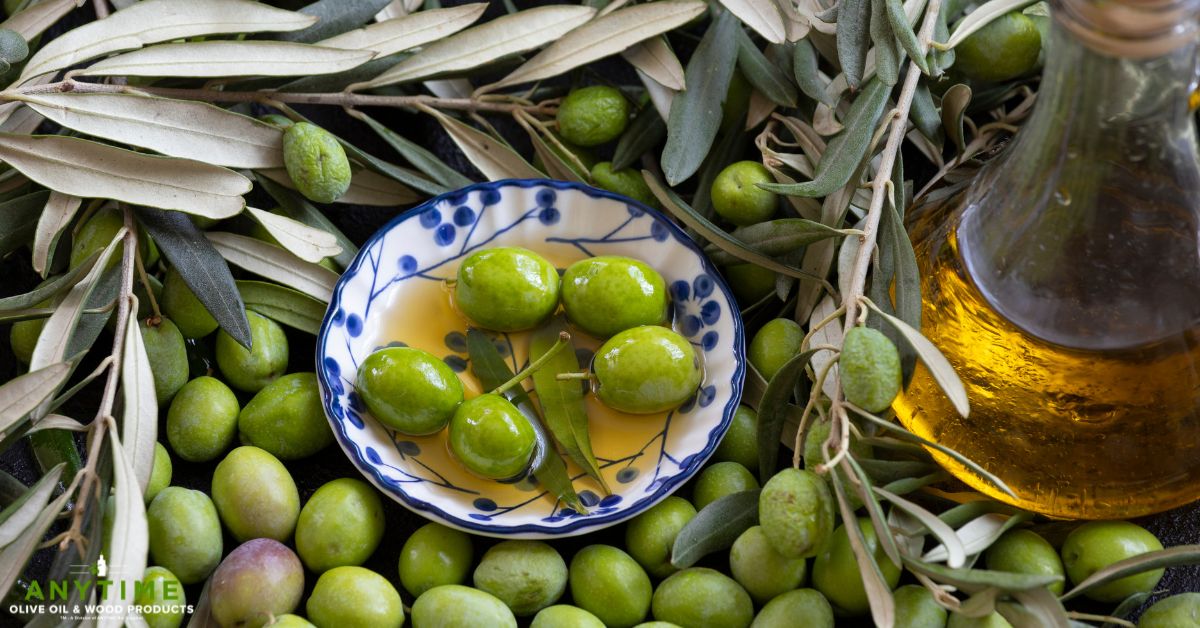
While extra virgin olive oil is versatile, repeatedly overheating it beyond its smoke point can damage flavor and nutrients.
Use EVOO for:
- Drizzling
- Finishing
- Light sautéing
Reserve refined oils for high-heat cooking when necessary.
7. Ignoring Harvest and Expiration Dates
Unlike wine, olive oil does not improve with age. Old oil loses its health benefits and fresh taste.
What to check:
- Harvest date
- Best-by date
- Storage conditions
8. Neglecting Proper Bottles and Accessories
Even the best olive oil can be ruined by poor handling. Cheap caps, leaky bottles, or improper spouts increase contamination and oxidation.
For frequent use:
Wholesale-quality pour spouts help preserve oil integrity, reduce mess, and support consistent portioning—especially important for foodservice and retail environments.
Protect Your Olive Oil with Better Habits
Simple changes—better storage, controlled pouring, and the right accessories—can dramatically improve flavor, longevity, and efficiency.
For businesses and serious home cooks alike, investing in reliable olive oil pour spouts is a small upgrade with a big impact.
Frequently Asked Questions
How can I tell if olive oil has gone bad?
Rancid olive oil smells musty or greasy and tastes flat or bitter.
Should olive oil be refrigerated?
Refrigeration can extend shelf life but may cause cloudiness; it will clear at room temperature.
Do pour spouts let air into the bottle?
Quality pour spouts are designed to regulate airflow and minimize oxidation.
Can the same pour spout be used for vinegar and other oils?
Yes, most pour spouts are suitable for olive oil, vinegar, and other liquid oils.





 –
–