
5 Tips for Using an Olive Oil Pour Spout to Reduce Mess and Waste
Olive oil is a kitchen staple for cooking, dressing salads, or even drizzling over freshly baked bread. However, when you’re pouring it from a bottle, the process can get messy fast. If you’ve ever struggled with spills or wasted oil running down the bottle, you know how frustrating it can be. That’s where olive oil pour spouts comes in handy. These handy gadgets can reduce mess, minimize waste, and make your cooking experience smoother.
In this article, we’ll share five practical tips to get the most out of your olive oil pour spout, helping you keep your kitchen cleaner and make every drop count.
Choose the Right Pour Spout for Your Bottle
Before pouring olive oil, it’s crucial to select the right pour spout for your bottle. Not all spouts are created equal, and a well-matched spout can significantly improve pouring control and reduce mess.
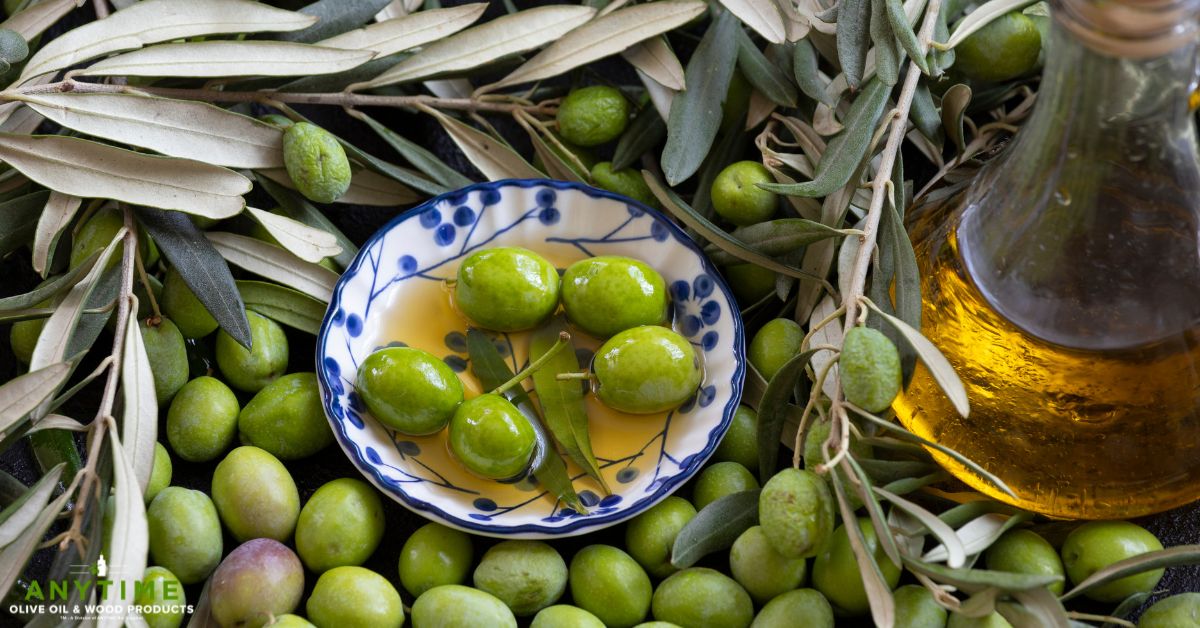 Olive oil bottles come in various shapes and sizes, so it’s essential to choose a spout that fits the neck of your specific container. Larger bottles may require a bigger spout for a smoother flow, while smaller bottles benefit from more compact, precise pourers. A snug fit is vital to prevent oil leakage during pouring.
A properly fitting pour spout offers several advantages. It allows for controlled pouring, minimizing the risk of over-pouring, dripping, and spills. Additionally, a secure fit helps to keep air out of the bottle, which can slow down the oxidation process and preserve the oil’s quality over time.
Attach the Pour Spout Correctly
Once you’ve selected the right pour spout, the next crucial step is to ensure it’s securely attached to your olive oil bottle. A loose fit can lead to messy spills and leaks, even before you’ve poured a single drop.
To avoid these issues, always double-check the spout’s fit before use. Gently twist the spout onto the bottle’s neck until it feels firmly in place. A tight seal will prevent oil from escaping when the bottle is not in use and minimize the risk of spills during pouring.
To further ensure a leak-proof fit, tilt the bottle over a sink or a towel after attaching the spout. If no oil drips out, the spout is securely in place. This simple precaution can save you from unnecessary cleanup and keep your kitchen mess-free.
Control the Flow of Oil
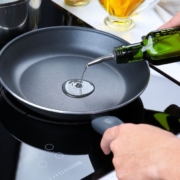
A common issue people face when pouring olive oil is that the flow is either too fast or too slow. The key to using a pour spout effectively is to control the flow.
Many olive oil pour spouts come with built-in features like an angled opening, a stopper, or a spout with a nozzle to help regulate the flow of oil. The key is to pour gently and steadily. If your spout has an adjustable mechanism, you can tweak it to suit your needs for different cooking tasks.
When you pour, remember that it’s all about slow and steady. Tilting the bottle too quickly can lead to a flood of oil, while pouring too slowly can make it seem like it’s taking forever to use. Practice finding that balance to avoid over-pouring and wasting precious oil.
Keep the Pour Spout Clean
Olive oil is greasy by nature, and if your pour spout is dirty or clogged, it can affect both the flow of oil and the taste. Keeping your pour spout clean not only ensures smoother pouring but also keeps the oil fresh for longer.
After each use, it’s essential to clean the spout thoroughly to avoid oil buildup. Wipe the outside with a damp cloth and check the inside for any oil residue that might have dried and hardened. If you notice any oil stuck inside, a quick rinse with warm water and mild soap should do the trick.
Ideally, you should clean your pour spout after each use, especially if the oil has been sitting in it for a while. If you use olive oil frequently, cleaning it once a week is a good rule of thumb to prevent buildup and ensure a consistent, clean flow every time.
 Store Your Olive Oil Properly
 Store Your Olive Oil Properly
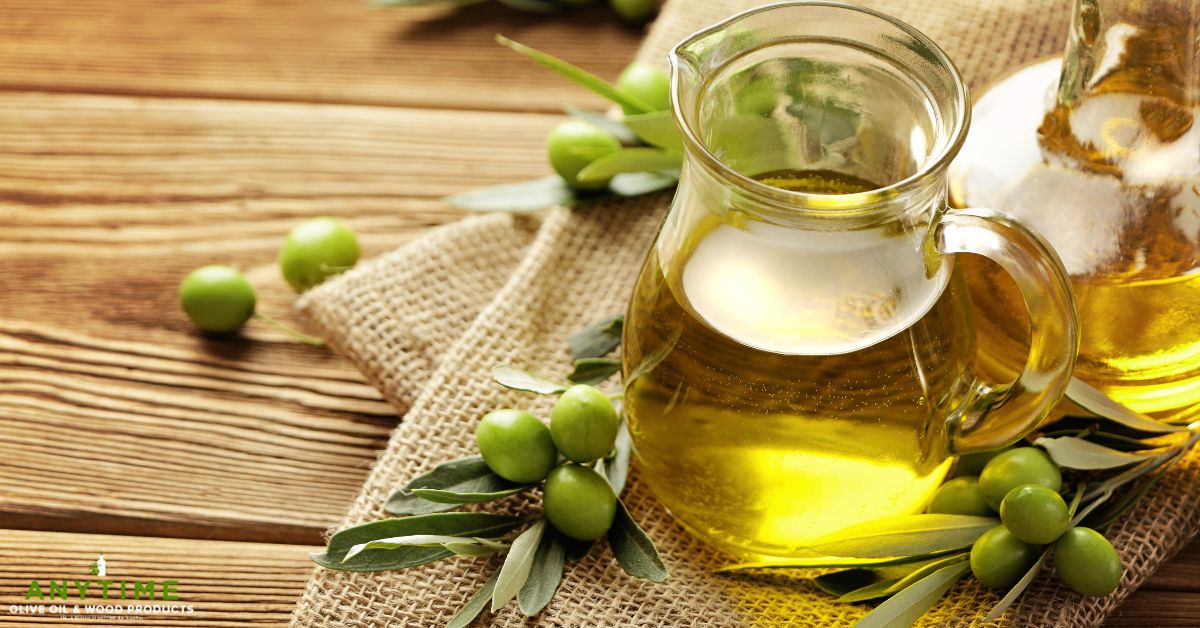
Even the best pour spout won’t save you from spills if the olive oil isn’t stored correctly. Proper storage is key to maintaining the oil’s freshness and preventing any spillage when you pour.
When olive oil is exposed to air, light, or heat, it can become rancid more quickly. Storing your oil in a cool, dark place, such as a kitchen cabinet or pantry, is essential for preserving its quality. Additionally, when olive oil is stored upright, it reduces the chances of leaks and spills from an improperly sealed spout.
Olive oil should be stored at room temperature, ideally between 57°F (14°C) and 70°F (21°C). Keeping it in a clear glass bottle exposed to sunlight can cause the oil to oxidize and lose flavor. If your bottle is clear, consider transferring the oil into a darker container to preserve its taste and texture.
Olive Oil Pour Spouts
Using an olive oil pour spout is a simple way to reduce mess and waste in the kitchen, but only if you use it properly. By choosing the right spout, securing it tightly to your bottle, controlling the flow, cleaning it regularly, and storing your oil correctly, you can ensure that every pour is smooth, efficient, and mess-free. Not only will this save you time cleaning up, but it will also help preserve the quality of your olive oil and reduce waste in the long run.





 –
–