

5 Simple Heart-Healthy Ingredient Swaps for National Heart Month
February is National Heart Month, making it the perfect time to rethink everyday cooking habits. The good news? Supporting heart health doesn’t require a strict diet or complicated recipes. Often, it’s about small ingredient choices that add up over time.
By making a few smart substitutions—especially with cooking fats—you can improve nutrition, enhance flavor, and build sustainable habits in both home and professional kitchens.
One of the easiest and most impactful changes is incorporating high-quality olive oil and using it consistently. With proper storage and tools like reliable olive oil pour spouts, healthy cooking becomes simple and repeatable.
Why Small Food Swaps Matter for Heart Health
Heart health is closely tied to the types of fats we consume. Replacing heavily processed ingredients with whole-food alternatives helps reduce saturated fat intake while supporting balanced eating patterns.
Simple swaps are effective because they:
- Fit into existing routines
- Require no special cooking skills
- Are easy to maintain long-term
Below are five easy ingredient changes you can start today.
1. Replace Butter with Extra Virgin Olive Oil
Butter is commonly used for sautéing, roasting, and finishing dishes, but it is high in saturated fat. Extra virgin olive oil (EVOO) provides monounsaturated fats and antioxidants while adding rich flavor.
How to use the swap:
- Drizzle over vegetables before roasting
- Use for light sautéing
- Finish soups and grains
Using an olive oil pour spout helps maintain consistent portions and prevents over-pouring, making the swap easier to sustain.
2. Swap Creamy Dressings for Olive Oil & Vinegar
Many bottled dressings contain added sugars, sodium, and preservatives. A simple olive oil and vinegar dressing is both heart-friendly and customizable.
Quick dressing formula:
- 3 parts olive oil
- 1 part vinegar
- Herbs, garlic, or lemon to taste
Pour spouts designed for oil and vinegar allow controlled flow and easy daily use, encouraging healthier salad habits.
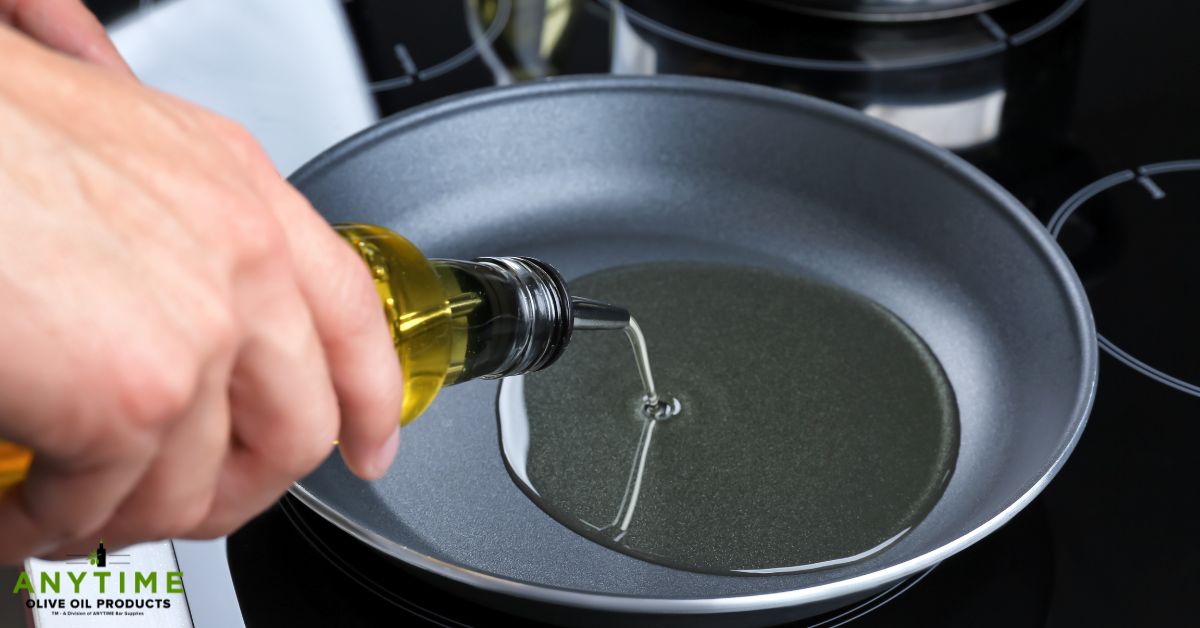 3. Replace Processed Cooking Oils with High-Quality Olive Oil
Highly refined oils often lack flavor and nutritional value. Switching to high-quality olive oil provides both culinary and nutritional benefits.
Best uses:
- Sautéed vegetables
- Marinades
- Grain bowls
- Roasted proteins
Consistent pouring tools improve efficiency and reduce waste in both home and commercial kitchens.
4. Choose Nuts Instead of Croutons or Fried Toppings
Crunchy toppings add texture, but fried options can increase saturated fat and sodium. Nuts offer healthy fats, fiber, and natural flavor.
Good choices:
- Almonds
- Walnuts
- Pistachios
Pair with a drizzle of olive oil to enhance absorption of nutrients from vegetables.
5. Use Herbs and Citrus Instead of Excess Salt
Reducing sodium intake supports heart health. Flavor can come from herbs, garlic, lemon, and infused olive oils instead of salt-heavy seasoning.
Examples:
- Lemon olive oil on fish
- Garlic oil on roasted vegetables
- Herb oil for bread dipping
Controlled-flow olive oil pour spouts make infused oils easier to use daily without mess or overuse.
Consistency Is the Real Secret
Heart-healthy cooking isn’t about perfection—it’s about repetition. When olive oil is accessible, easy to pour, and properly stored, it becomes part of everyday meals rather than an occasional ingredient.
For restaurants, retailers, and frequent home cooks, wholesale olive oil pour spouts support:
- Portion control
- Cleaner workspaces
- Better oil preservation
- Professional presentation
Small changes in the kitchen can lead to long-term benefits for both health and efficiency.
FAQ
Is olive oil good for heart health?
Olive oil contains monounsaturated fats and antioxidants commonly associated with heart-healthy eating patterns.
Can olive oil replace butter in cooking?
Yes. Olive oil works well for sautéing, roasting, and finishing dishes.
Why are pour spouts helpful for olive oil?
They control portions, reduce spills, and limit air exposure that can degrade oil quality.
Are pour spouts suitable for vinegar too?
Yes, most are designed for olive oil, vinegar, and other liquid cooking oils.







 –
–