
How to Sanitize and Maintain Commercial-Grade Olive Oil Spouts
In commercial kitchens, bars, and tasting rooms, olive oil pour spouts are more than just functional tools—they’re essential for hygiene, consistency, and protecting the quality of your products. Proper maintenance ensures they last longer, pour cleanly, and prevent contamination.
Whether you’re running a restaurant, coffee shop, or specialty olive oil tasting room, understanding how to sanitize and maintain commercial-grade spouts will save you time, reduce waste, and keep your service professional.
Why Maintenance Matters
Olive oil spouts are exposed to oils, syrups, and liquids that can build up over time. Without proper care, spouts may:
- Accumulate bacteria or mold
- Develop sticky residue
- Cause inconsistent pours or drips
- Shorten the lifespan of the spout
For businesses that rely on frequent pours, like bars or tasting rooms, neglecting spout maintenance can affect both hygiene and operational efficiency.
Daily Cleaning Routine
A simple daily routine keeps spouts clean and ensures hygienic service:
- Remove the Spout – Take the spout off the bottle before cleaning.
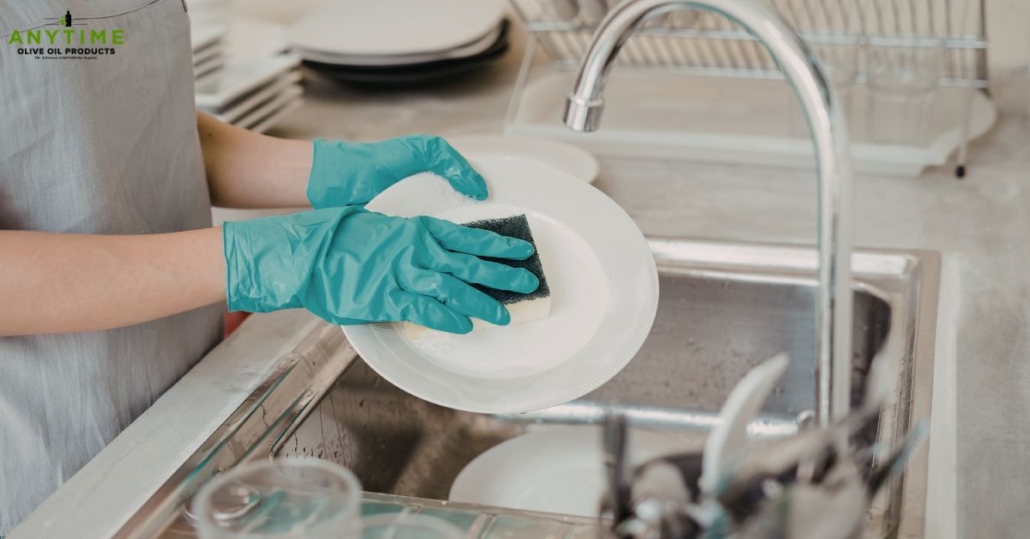
- Rinse Immediately – Rinse under warm water to remove excess oil.
- Use Mild Detergent – Wash spouts with a food-safe soap, making sure to clean inside the pour tube.
- Rinse Thoroughly – Ensure no soap residue remains.
- Air Dry Completely – Place spouts on a clean rack to dry fully before reattaching.
Daily cleaning is particularly important for tasting rooms or high-volume bars where multiple oils or spirits are poured throughout the day.
Deep Cleaning and Sanitizing
Weekly or bi-weekly, perform a deeper sanitation:
- Soak in Vinegar or Food-Safe Sanitizer – This helps remove stubborn oil residue.
- Use a Small Brush – Clean the internal tube and tip thoroughly.
- Inspect for Wear – Check for cracks, bends, or discoloration. Replace if needed.
- Rinse and Dry – Always rinse thoroughly after sanitizer and let air dry completely.
Deep cleaning ensures spouts remain free of bacterial growth and prevents odors from affecting the flavor of olive oils or other liquids.
Material-Specific Tips
Stainless Steel Spouts
- Durable & Easy to Sanitize – Non-porous surfaces resist staining and odors.
- Avoid Harsh Abrasives – Scrubbing with steel wool can scratch the surface.
- Check for Corrosion – High-quality stainless steel should resist rust, but inspect occasionally.
Plastic Spouts
- Prone to Absorption – Oils and syrups can penetrate plastic over time.
- Inspect Frequently – Replace when cracks, discoloration, or odor appear.
- Sanitize Carefully – Avoid extremely high heat that can warp the material.
For long-term use, stainless steel spouts generally outperform plastic in durability and hygiene.
 Tips for Maintaining Spout Performance
- Rotate Spouts – If possible, rotate spouts between bottles to reduce wear.
- Use Drip Trays – Catch spills to reduce sticky buildup on counters and bottle necks.
- Label Clean vs. Dirty Spouts – Avoid cross-contamination during busy service hours.
- Purchase Wholesale – Keep spare spouts on hand so you can replace any damaged or worn units immediately.
A small maintenance routine saves time, ensures hygiene, and preserves the professional appearance of your tasting room or bar.
FAQ
How often should commercial olive oil spouts be cleaned?
Daily rinsing and washing is recommended, with weekly or bi-weekly deep sanitizing for optimal hygiene.
Can stainless steel spouts rust?
High-quality stainless steel resists rust, but inspect regularly and dry thoroughly after cleaning.
Are plastic spouts safe for repeated use?
Plastic spouts can be safe but are more prone to wear, odors, and staining. Replace them when damaged.
What’s the best way to sanitize spouts?
Soaking in a food-safe sanitizer or vinegar solution, combined with brushing, ensures thorough cleaning.
Can spouts affect olive oil flavor?
Yes. Residue, bacteria, or absorbed odors can alter taste. Regular cleaning preserves the oil’s original flavor.






 –
–