
Discover our range of vinegar pour spouts, designed for precise and controlled dispensing of all types of vinegar.

Tag Archive for: Vinegar Pour Spouts

Drip, Drizzle, Done: Mastering the Art of Pouring with an Olive Oil Pour Spout

Tired of messy pours and oil-slicked countertops? You’ve come to the right place. An olive oil pour spout is a simple tool that can revolutionize your cooking and make you feel like a professional chef. In this guide, we’ll dive into the world of olive oil pour spouts, showing you how to choose the right one, use it with precision, and keep it clean.

Using a pour spout for your olive oil offers a simple yet elegant solution to a common kitchen problem. Say goodbye to glugging bottles and hello to a smooth, controlled stream of oil for sautéing, dressing salads, or finishing a dish with a perfect drizzle.

The Anatomy of a Perfect Pour

An olive oil pour spout is more than just a piece of metal or plastic. The best ones are designed to create a tight seal, preventing oxidation, and often include a vented design for a consistent, smooth pour. This is crucial because oxygen can cause your olive oil to degrade in flavor over time. By using a pour spout with a secure fit, you’re not only making your life easier but also preserving the quality of your favorite olive oil.

Tips for Mastering the Drizzle

  1. Choose a Quality Spout: Look for spouts with a rubber or silicone stopper that creates a snug, leak-proof seal. Materials like stainless steel are durable and easy to clean.
  2. Practice Makes Perfect: Start with a slow and steady pour. You’ll quickly get a feel for how much pressure to apply to get the desired stream. For a fine drizzle, tilt the bottle gently. For a faster pour, tilt it more dramatically while keeping control.
  3. Keep it Clean: Regularly cleaning your pour spout is essential. Oil residue can build up, clog the spout, and go rancid. Most pour spouts are easily removable and can be washed with warm, soapy water. For a deeper clean, a soak in vinegar can help break down stubborn oil buildup.
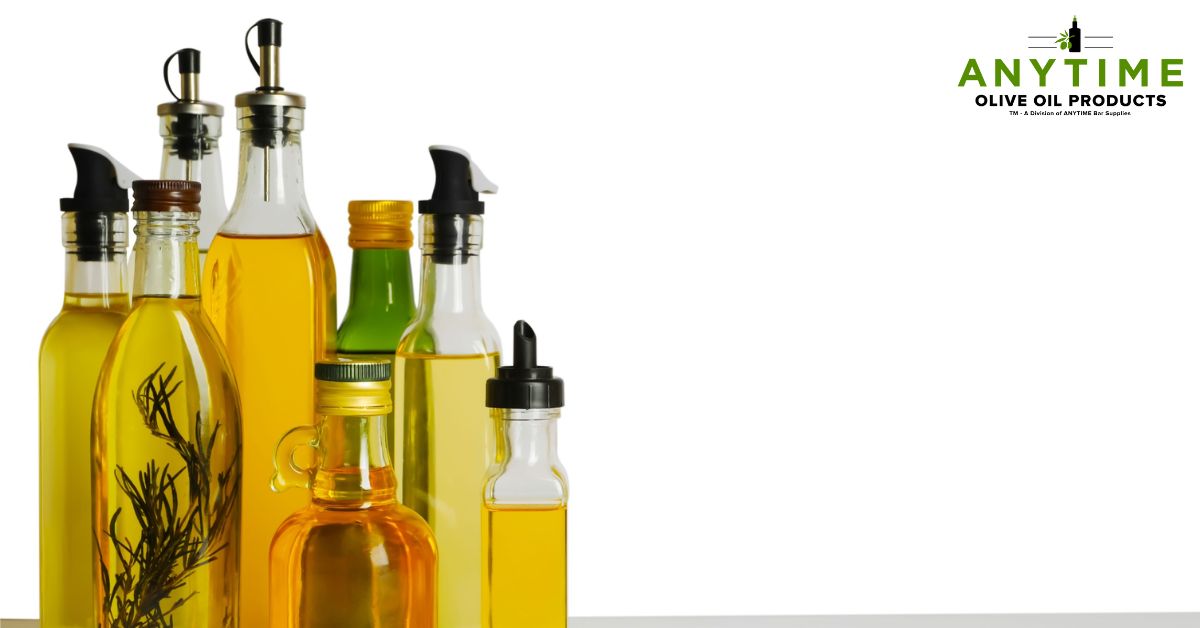
bottles of olive lined up together - Anytime Olive Oil Pour SpoutsFAQ: Your Questions Answered

  • Q: Will an olive oil pour spout fit on any bottle?

    • A: Most pour spouts are designed to fit standard-sized olive oil bottles. However, bottle necks can vary, so it’s always a good idea to check for compatibility or choose a brand that offers a universal design with flexible rubber or silicone collars.
  • Q: Do pour spouts really help the olive oil last longer?

    • A: Yes, they do. By creating a tighter seal and limiting the oil’s exposure to air, a pour spout helps to slow the oxidation process that causes olive oil to go rancid. This means your oil will stay fresh and flavorful for a longer period.
  • Q: Can I use a pour spout for other liquids?

    • A: Absolutely! Pour spouts are versatile and can be used for a variety of liquids, including balsamic vinegar, soy sauce, and other cooking oils.

By following these simple steps, you can elevate your cooking experience and make every pour a perfect one. The right tools, like a quality olive oil pour spout, can make all the difference in the kitchen.
Why Use an Olive Oil Pour Spout?

Ever wondered how professional chefs achieve that perfect, controlled drizzle of olive oil? It’s not just skill—it’s often the result of a simple, yet essential, kitchen tool: the olive oil pour spout. If you’ve ever dealt with a messy, oversized bottle opening that leads to spills, waste, and a glug of oil instead of a gentle stream, you know the frustration. An olive oil pour spout is the simple, affordable solution that can transform your cooking experience. This article will explore the many benefits of using a pour spout and guide you through choosing the best one for your kitchen.

1. Precision and Control for Flawless Cooking

One of the most significant benefits of using an olive oil pour spout is the superior control it provides. The narrow opening of a spout allows for a slow, steady, and predictable flow of oil. This precision is crucial for:

  • Drizzling: Whether you’re finishing a salad, plating a dish, or adding a final touch to bruschetta, a pour spout lets you create a beautiful, even drizzle.
  • Sautéing and Frying: Instead of a sudden flood of oil, you can add just the right amount to your pan, ensuring even cooking and preventing your food from becoming greasy.
  • Portion Control: For those watching their intake of fats, a pour spout makes it easy to measure out a small, precise amount of oil, reducing waste and supporting a healthier lifestyle.

2. Say Goodbye to Mess and Waste

Let’s face it: pouring directly from a large, open bottle is a recipe for a mess. Drips, spills, and sticky countertops are a common consequence. A quality olive oil pour spout is designed to minimize or eliminate these issues. Many spouts feature a built-in drip catcher or a tapered design that directs every drop of oil exactly where you want it. This not only keeps your kitchen cleaner but also helps you save money by using every last drop of your expensive, high-quality olive oil.

3. Preserving the Freshness and Flavor of Your Oil

High-quality olive oil is a premium product, and its flavor and nutritional properties are sensitive to air and light. Prolonged exposure to oxygen causes the oil to oxidize, leading to a rancid taste and the degradation of its beneficial compounds. The right olive oil pour spout can act as a barrier. Many spouts offer an airtight seal, and some even come with a flip-top or weighted lid that automatically closes when the bottle is upright. This simple feature significantly reduces the oil’s contact with air and keeps contaminants like dust and bacteria out, preserving its freshness for longer.

olive oil pouring into a bowl - Anytime Olive Oil Products oil pour spouts4. An Instant Kitchen Upgrade

Beyond its practical benefits, an olive oil pour spout also elevates the aesthetic of your kitchen. Pouring oil with a sleek, well-designed spout just feels more professional and intentional. Many spouts are made from stylish materials like stainless steel or feature elegant designs that turn an ordinary bottle into a sophisticated kitchen tool. It’s a small, affordable upgrade that can make a big difference in your daily cooking routine.

5. Types of Olive Oil Pour Spouts to Consider

With so many options on the market, it’s helpful to know what to look for when choosing your olive oil pour spout.

  • Stainless Steel Pour Spouts: Durable, easy to clean, and a popular choice for their classic, sleek look.
  • Weighted Pour Spouts: These feature a small ball or flap that opens when you tilt the bottle and automatically closes when upright. They are excellent for keeping contaminants out and preserving freshness.
  • Flip-Top Pour Spouts: A hinged lid provides an easy-to-use, one-handed solution for protecting your oil from dust and air.
  • Silicone Pour Spouts: A flexible and heat-resistant option that is often colorful and easy to fit onto a variety of bottle necks.

When making your choice, consider the type of oil you’ll be using, the bottle it needs to fit, and the specific features that matter most to you, whether it’s precision, hygiene, or style.

A small investment in a high-quality olive oil pour spout is a smart choice for any home cook. It’s a tool that prevents messes, reduces waste, and helps maintain the integrity of your oil’s flavor and nutrients. By providing you with greater control and a more elegant pouring experience, an olive oil pour spout is a simple upgrade that delivers outsized benefits.

FAQ: Your Questions About Pour Spouts Answered

Q: Will an olive oil pour spout fit on any bottle?

A: Most pour spouts are designed to fit standard-sized olive oil and wine bottles. However, bottle necks can vary, so it’s always a good idea to check for compatibility or choose a brand that offers a universal design.

Q: How do I clean my pour spout?

A: Cleaning is typically easy! For most spouts, you can simply remove them and wash them with warm, soapy water. For a deeper clean, especially if it gets clogged, soaking it in vinegar can help break down oil residue.

Q: Do pour spouts really help the olive oil last longer?

A: Yes, they do. By creating a tighter seal and limiting the oil’s exposure to air, a pour spout helps to slow the oxidation process that causes olive oil to go rancid. This means your oil will stay fresh and flavorful for a longer period.

Q: Can I use a pour spout for other liquids?

A: Absolutely! Pour spouts are versatile tools and work great for other liquids like vinegar, salad dressings, syrups, and even spirits.

Enhance Your Olive Oil Experience with a Stainless-Steel Pour Spout

If you love cooking or drizzling olive oil on everything from salads to sourdough, then you’ve probably faced the same issue many home chefs do: the messy, uncontrolled pour from a bulky olive oil bottle. It’s frustrating, isn’t it? That golden liquid gold deserves more respect. That’s where a stainless-steel pour spout comes into play — a small yet mighty upgrade that can totally transform your kitchen game.

Let’s break down how something so simple can enhance not just your olive oil experience but also your culinary precision and overall kitchen aesthetic.

The Olive Oil Dilemma: Why Bottle Necks Just Don’t Cut It

Ever tried to pour just a dash of olive oil only to end up with a puddle on your plate? Olive oil bottles, especially the large glass ones, aren’t designed for finesse. They’re functional but far from precise. The wide neck creates splashes, drips, and let’s not forget the sticky residue that coats the cap and runs down the bottle.

It’s a messy business — and unnecessary when there’s a sleek, affordable solution.

What Is a Stainless-Steel Pour Spout?

In simple terms, a stainless-steel pour spout is a small, tube-like nozzle that fits into the neck of your olive oil bottle. It often includes a flip-top or gravity lid to keep dust and air out, and most are designed to provide a controlled, steady flow.

Think of it as the difference between drinking water from a bucket versus a straw. One’s chaos; the other is elegance.

Why Stainless Steel? Isn’t Plastic Good Enough?

You may have seen plastic pour spouts at a lower price, and sure — they work… for a while. But here’s why stainless steel wins hands down:

  • Durability: Stainless steel doesn’t crack, warp, or degrade over time.

  • Non-reactive Material: It won’t alter the flavor of your olive oil like some plastics can.

  • Elegant Look: It adds a touch of sophistication to your countertop.

  • Easy to Clean: Stainless steel is dishwasher safe and resistant to oil buildup.

It’s like comparing disposable chopsticks to a finely carved wooden pair — functionally similar, but one offers a much better experience.

Controlled Pouring = Less Waste, More Flavor

Let’s be honest — olive oil isn’t cheap. Whether you’re using everyday blends or splurging on a cold-pressed extra virgin, wasting it is never ideal. A stainless-steel pour spout gives you precise control so you can:

  • Drizzle the perfect amount on bruschetta

  • Add just enough to coat your pan

  • Dress salads without drowning your greens

And the best part? No more over-pouring or trying to “catch” the excess with your hand or a paper towel. That control equals cost savings in the long run.

Keeps Your Oil Fresher for Longer

Oxidation is olive oil’s worst enemy. When exposed to air, light, and heat, its flavor breaks down and its health benefits diminish. A stainless-steel pour spout often includes a cap or sealing mechanism that:

  • Reduces air exposure

  • Blocks dust and debris

  • Helps maintain freshness

This is especially crucial if you store your olive oil in a clear bottle or near a stove. It’s like putting a cork back in a bottle of wine — it just makes sense.

person pouring oil into a fry pan - Olive Oil Pour Spouts stainless steel pour spoutPerfect for the Home Chef and Professional Kitchen Alike

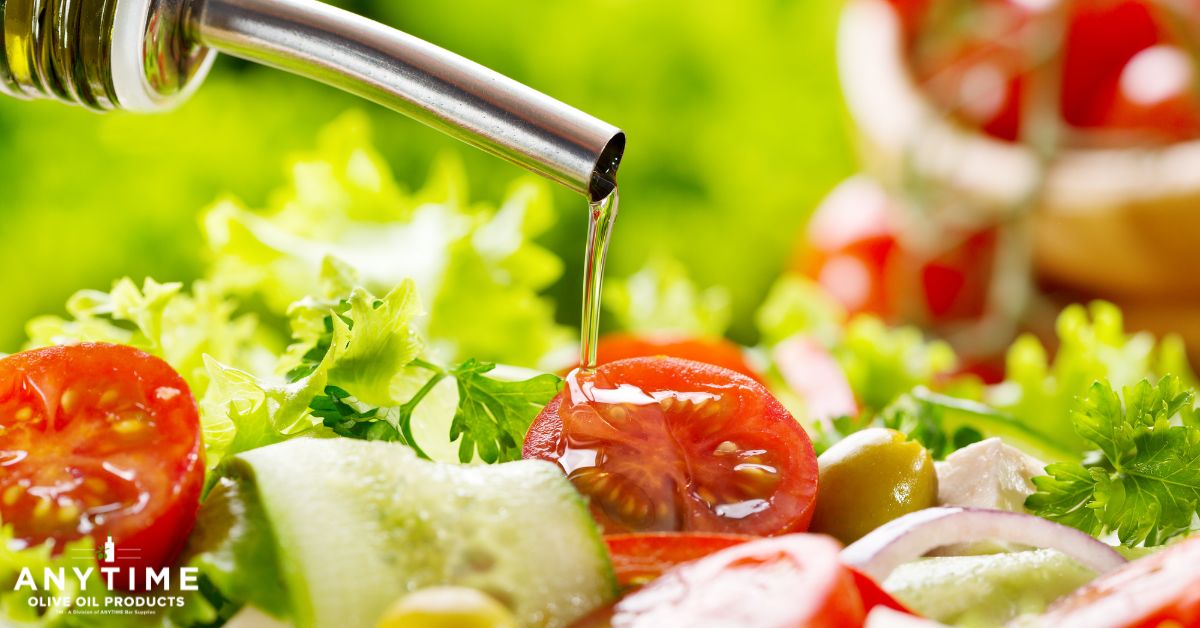
If you cook daily, you know how small inconveniences add up. That heavy bottle with a sticky rim? It’s a time-waster. Stainless-steel pour spouts are used in commercial kitchens for good reason:

  • Speed up cooking with a one-handed pour

  • Improve accuracy when following recipes

  • Reduce mess during rush prep hours

Even if you’re just whipping up pasta at home, the same benefits apply. It turns a frustrating task into a satisfying, clean experience.

Say Goodbye to Greasy Bottles

Oil tends to get… everywhere. That sticky film on the bottle’s neck? That’s a combo of drips, exposure to air, and your own hands. A stainless-steel pour spout almost eliminates this.

Because it channels the oil cleanly from bottle to plate or pan, there’s virtually no residue to wipe away. No more hiding the bottle when guests come over!

Stylish and Sleek: Aesthetic Matters Too

We spend time picking pretty salt grinders and artisan vinegar bottles — why not upgrade the presentation of your olive oil, too?

A stainless-steel pour spout doesn’t just work better, it looks better. Clean lines, modern shine, and a professional vibe. Whether you keep your oil on the counter or dining table, it makes your kitchen feel just a bit more gourmet.

Universal Fit for Most Bottles

Worried about sizing? Most stainless-steel pour spouts come with a rubber or silicone base that snugly fits into almost any standard oil bottle. Whether it’s an imported Italian glass bottle or a grocery store brand, chances are — it fits like a glove.

Easy to Clean, Easy to Love

Cleaning is simple. Just remove the spout, rinse it with warm soapy water, and it’s good to go. Some models are even dishwasher-safe. The result? No lingering flavors or oil crusts, and your spout stays as clean as the day you bought it.

Tips for Choosing the Best Stainless-Steel Pour Spout

Ready to buy one? Here are a few tips to get the best bang for your buck:

  • Check the Seal: Look for a tight-fitting silicone base that won’t slip.

  • Go for a Cap: A flip-top or gravity lid is ideal to keep air and contaminants out.

  • Choose Quality: Cheap imitations rust or corrode — invest in food-grade stainless steel.

  • Read Reviews: Other users will often point out hidden flaws or unexpected perks.

Bonus Hack: Use It for More Than Just Olive Oil

Yes, we’re focusing on olive oil here — but don’t stop there. These pour spouts also work great for:

  • Balsamic vinegar

  • Vegetable and canola oil

  • Soy sauce

  • Syrups for coffee or cocktails

If it’s a liquid and it lives in your kitchen, chances are it could benefit from a stainless-steel pour spout.

Makes a Great Gift for Foodies

Shopping for someone who loves cooking? Pair a quality bottle of extra virgin olive oil with a sleek stainless-steel spout. It’s thoughtful, functional, and something they’ll use every day — not just another gadget to gather dust.

Upgrade Your Pour, Upgrade Your Life

At first glance, a stainless-steel pour spout might seem like a small upgrade. But once you use it, you’ll wonder how you ever lived without it. It saves time, reduces waste, enhances presentation, and keeps your oil fresh and your hands clean. That’s a lot of wins from a tiny little tool.

So go ahead — treat your olive oil (and yourself) to something better. Your kitchen routine deserves this kind of everyday luxury.

The Art of Dressing: Perfectly Drizzle Your Salads Using an Oil Pour Spout

Let’s face it — no one likes a soggy salad.

You prep those fresh greens, toss in some cherry tomatoes, maybe some crumbled feta and toasted nuts, and then? A giant, gloppy mess of dressing ruins everything. It’s frustrating, especially when all you wanted was a lightly dressed, Instagram-worthy salad that tastes as good as it looks.

The answer? The humble oil pour spout.

What’s an Oil Pour Spout Anyway?

You’ve probably seen one at your favorite Italian restaurant — that sleek metal tip on top of the olive oil bottle, drizzling golden perfection over fresh bruschetta. That’s the oil pour spout. It’s a tiny upgrade with a major payoff.

These spouts are designed to regulate flow, giving you control over how much oil (or vinegar) comes out. Whether you’re aiming for a light drizzle or a steady stream, it makes the job clean, elegant, and precise.

Why Every Home Cook Should Use One

No More Overdressing

You know the drill — tip the bottle, and suddenly half your dressing is drowning your salad. Oil pour spouts give you control. You drizzle, not dump.

Cleaner Counters

Say goodbye to oily rings on your countertop or sticky bottle necks. These spouts minimize drips and mess.

Preserves Oil Quality

Some spouts come with built-in caps that protect your oil from light and air — which means longer shelf life and better flavor.

person pouring oil over tomatoes and lettuce - Anytime Olive Oil Products oil pour spoutThe Art of the Drizzle

Think of dressing your salad like painting a canvas. It’s not about pouring — it’s about layering flavor with intention.

Step 1: Start With the Right Oil

Extra virgin olive oil is the gold standard. It’s rich, flavorful, and loaded with heart-healthy fats. But don’t sleep on avocado oil, walnut oil, or even sesame oil for that nutty kick.

Step 2: Use a Quality Pour Spout

Go for a stainless-steel spout with a rubber stopper — it fits snugly and won’t rust. Bonus points if it has a dust cap.

Step 3: Technique Matters

Hold the bottle about 6 inches above your salad. Tilt gently and move your hand in a circular motion as you pour. This helps distribute the oil evenly across the surface.

Less is more. You can always add more later, but once it’s soaked in, there’s no going back.

Pairing Oils and Greens Like a Pro

Every salad base has a personality. And the oil you use should match its vibe.

  • Delicate Greens (butter lettuce, baby spinach): Light olive oil or grape seed oil.

  • Hearty Greens (kale, arugula): Robust EVOO or walnut oil.

  • Exotic Mixes (Asian slaw, seaweed salad): Toasted sesame or chili oil for punch.

Match the intensity. Don’t let the oil overpower — or disappear.

Dress It Like You Mean It

Tip 1: Oil First, Then Acid

Most classic vinaigrettes call for 3 parts oil to 1 part acid. But when using a pour spout, you can layer them directly on the salad. First the oil (to coat the leaves), then the vinegar (to punch through).

Tip 2: Add a Touch of Sweet

A drizzle of honey or maple syrup helps round out the sharpness of vinegar and makes everything sing.

Tip 3: Don’t Forget Salt

Oil alone can taste flat. A pinch of flaky sea salt right before serving elevates the whole dish.

Creative Ways to Use a Pour Spout Beyond Salads

Don’t stop at greens. Oil pour spouts are game-changers across the kitchen.

Cooking

  • Add oil to your frying pan with finesse — no puddles.

  • Perfect for sautéing veggies without drowning them.

  • Evenly coat roasting pans.

Baking

  • Use mild oils like almond or canola to grease pans lightly.

  • Add precise amounts to batter or dough without overdoing it.

Making Your Own Custom Dressings

Take your drizzle game up a notch by creating your own dressings — right in the oil bottle.

Try This Simple Infusion

  • Add a few sprigs of rosemary, a garlic clove, and some chili flakes to your oil bottle.

  • Let it sit for a week.

  • Boom — homemade infused oil with restaurant-quality flavor.

Use a pour spout on that bottle, and you’ve got flavor magic at your fingertips.

Choosing the Right Oil Pour Spout

Not all pour spouts are created equal. Here’s what to look for:

Material

Go for stainless steel or food-grade plastic. Avoid low-quality metal that can rust.

Fit

Make sure it fits snugly into your oil bottle’s neck. A wobbly spout defeats the purpose.

Cap or Cover

Look for one with a flip-top or dust cover — it keeps bugs and dust out and preserves freshness.

Flow Control

Some spouts even come with adjustable flow control. Great if you use your bottle for different viscosities like thick dressings or syrups.

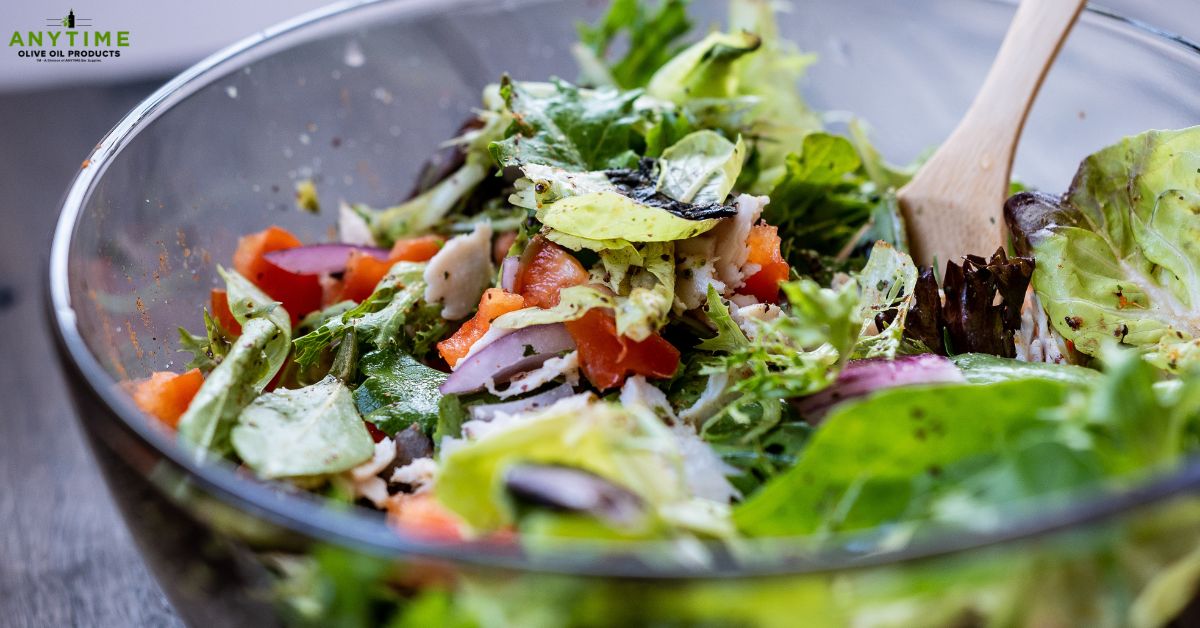
bowl with a vegetable salad and a wooden spoon - Anytime Olive Oil Products oil pour spoutMaintenance Matters

Even the best pour spout won’t last if you don’t clean it.

How to Clean It Properly

  • Soak in warm, soapy water once a week.

  • Use a small brush or pipe cleaner to scrub the inside.

  • Let it air dry completely before reinserting into the bottle.

Don’t forget — leftover oil can go rancid inside the spout.

Storage Tips to Maximize Flavor

Once you’ve got that drizzle game down, protect your oil.

  • Store bottles in a cool, dark place. Light and heat are oil’s enemies.

  • Use darker glass bottles. Clear bottles look nice, but they let in more light.

  • Label infused oils. Keep track of when you made them, and use within 1-2 months.

Make It Aesthetic

Let’s not lie — part of the fun is making your kitchen look like a Food Network set.

Get matching bottles with sleek pour spouts. Add handwritten labels like “Chili EVOO” or “Lemon Zest Vinegar.” Organize them on a wooden tray near your stove. It’s practical, and it adds a chef’s vibe to your space.

Take Your Salads from Sad to Show-Stopping

At the end of the day, the art of dressing isn’t just about flavor — it’s about care. Using an oil pour spout is a small change that makes a big difference. It gives you control, consistency, and that finishing touch that turns ordinary into exceptional.

So next time you’re about to dump dressing straight from the bottle, stop yourself. Grab that pour spout, take a moment, and drizzle like you mean it.

Your salads — and your guests — will thank you.

How to Clean and Maintain Your Stainless-Steel Olive Oil Pour Spout

Stainless-steel olive oil pour spouts are one of those little kitchen gadgets that make your life easier—until they’re clogged, sticky, or just plain gross. Let’s be honest: how often do you actually think about cleaning them? Probably not enough. But trust me, taking care of your pour spout is just as important as maintaining your oil quality. This guide will walk you through everything you need to know—without the fluff—so you can keep your olive oil tasting fresh and your pour spout performing like a champ.

Why Cleaning Your Pour Spout Actually Matters

If you’ve ever noticed your olive oil tasting a bit… off, your pour spout might be to blame. Residual oil oxidizes, clogs up, and becomes a breeding ground for bacteria if not cleaned regularly. That rancid smell? It’s not your imagination—it’s stale oil trapped in the spout. Clean spout = clean pour = fresh oil.

How Often Should You Clean It?

Here’s the thing—clean it more than you think you should. Ideally, give it a quick rinse once a week if you use it daily, and a deep clean once a month. If you don’t use it often, at least clean it every couple of weeks to avoid buildup.

What You’ll Need for Cleaning

You don’t need fancy gadgets. Here’s a basic list:

  • Warm water

  • Mild dish soap

  • A small brush (like a straw brush or an old toothbrush)

  • White vinegar

  • Baking soda (optional for deep cleaning)

  • Paper towels or a clean cloth

Step-by-Step: Quick Clean Routine

Let’s start with the quick clean—the kind of maintenance you can do in five minutes flat.

1. Remove the Spout From the Bottle

This sounds obvious, but you’d be surprised how many people try to clean it while it’s still attached. Don’t.

2. Rinse Under Warm Running Water

Run warm water through the spout to flush out any excess oil. It’s okay if it doesn’t all come out at first—that’s what the brush is for.

3. Soak in Soapy Water

Fill a small bowl with warm water and add a drop or two of dish soap. Let the spout soak for about 10–15 minutes.

4. Scrub the Inside

Use a straw brush or old toothbrush to scrub inside the spout. This gets rid of any gunk stuck in tight spots.

5. Rinse and Dry

Give it another rinse with warm water. Shake out any excess water, then dry it completely with a paper towel or clean cloth.

sink of soapy water - Anytime Olive Oil Products stainless steel olive oil pour spoutDeep Cleaning for Hardcore Build-Up

If you’ve been slacking (hey, no judgment), your spout may need a little extra TLC.

1. Vinegar Bath

Soak the spout in white vinegar for about 30 minutes. This helps dissolve stubborn oil and sanitizes the metal.

2. Baking Soda Scrub

For stuck-on grime, sprinkle baking soda directly on your brush and scrub the inside. The combination of vinegar and baking soda gives you a gentle, effective deep clean.

3. Rinse Thoroughly

Make sure there’s no soap, vinegar, or baking soda left inside—nobody wants their salad to taste like a science experiment.

4. Dry Completely

This is important. Stainless steel can still rust if left damp. Always make sure the spout is fully dry before reusing or storing it.

How to Keep It Clean Longer

Once your pour spout is squeaky clean, you probably want to keep it that way. Here’s how:

Store Your Olive Oil in a Cool, Dark Place

Heat and light speed up oxidation, making your oil go bad faster—and that affects the spout too.

Use a Drip-Free Design

Some stainless-steel spouts come with a built-in flap or valve to reduce dripping. Less mess = less cleanup.

Wipe After Each Use

A quick wipe around the exterior after pouring can prevent buildup around the nozzle. It’s a tiny habit that pays off big time.

Common Mistakes to Avoid

Let’s go over a few things you shouldn’t do:

Don’t Use Harsh Chemicals

Bleach or abrasive cleaners might damage the stainless steel or leave behind residues that affect flavor.

Don’t Forget to Clean the Cap or Flap

If your spout has a cover, it gets just as dirty—don’t ignore it.

Don’t Leave It Wet

As mentioned before, water sitting in the spout can cause rust and compromise hygiene.

Signs It’s Time to Replace the Spout

Not all pour spouts are built to last forever. Look out for:

  • Rust or discoloration

  • A funky smell that won’t go away even after cleaning

  • Cracked rubber seals or loose fit

  • Difficulty pouring or dripping excessively

If you notice any of these, it might be time for an upgrade.

Choosing a Quality Stainless-Steel Pour Spout

If you’re in the market for a new one, here’s what to look for:

Food-Grade Stainless Steel

This ensures it won’t corrode or leach anything weird into your oil.

Secure Fit

Look for one that fits snugly in the bottle. Some come with adjustable rubber gaskets.

Flip Cap or Tapered Design

A flip cap keeps dust and bugs out, while a tapered spout gives you more control when pouring.

person pouring oil over tomatoes and lettuce - Anytime Olive Oil Products stainless steel olive oil pour spoutWhy Stainless Steel Is the Way to Go

Compared to plastic or cork spouts, stainless steel is more durable, easier to sanitize, and doesn’t absorb odors. It also adds a sleek, modern touch to your kitchen setup.

DIY Natural Cleaning Solutions (If You Prefer Green Cleaning)

Want to avoid commercial dish soaps? Mix equal parts lemon juice and vinegar for a natural degreaser. It won’t foam like soap, but it gets the job done and smells amazing.

Stainless-Steel Olive Oil Pour Spout Maintenance

Keeping your stainless-steel olive oil pour spout clean isn’t just about appearances—it’s about preserving the flavor and quality of your oil, avoiding contamination, and making your cooking experience smoother. A little routine maintenance goes a long way, and trust me, your taste buds (and guests) will thank you.

You use olive oil in your cooking because it’s healthy and flavorful—don’t let a dirty spout ruin that. Show it a little love, and it’ll pour beautifully for years to come.

Oil Spout vs Pouring Straight from the Bottle: Which is Better for Your Cooking?

When you’re deep in the rhythm of cooking, the last thing you want is to drench your pan—or worse, your food—in too much oil. Sound familiar? Whether you’re sautéing, drizzling, or deep-frying, how you pour your oil can seriously impact flavor, texture, and even your health. Enter the age-old kitchen debate: oil spout vs pouring straight from the bottle.

Let’s dive deep into the pros, cons, and surprising truths behind these two oil-handling methods. You might just rethink how you approach your bottle of olive oil.

Why This Tiny Kitchen Decision Actually Matters

You might think it’s just oil—what’s the big deal, right? But this little decision affects:

  • The amount of oil you use

  • Your cooking precision

  • The cleanliness of your kitchen

  • And yes, your health and wallet

Small hinges swing big doors, and the way you pour oil is one of those sneaky little habits that could be doing more harm (or good) than you think.

person pouring oil into a cooking wok - Anytime Olive Oil Products oil spoutThe Case for Pouring Straight from the Bottle

It’s Convenient and Fast

Let’s be honest—when you’re in a hurry, who has time to fiddle with attachments? Unscrewing a cap and tipping the bottle is the quickest route from A to B.

Fewer Accessories to Clean

No oil spout means one less item to wash (and potentially lose in your drawer of miscellaneous kitchen tools).

You Control the Tilt (But Barely)

With a bit of practice, you might master the “slow pour.” But even seasoned cooks often overdo it. That glug-glug of too much olive oil? Not ideal.

But Here’s Where It Falls Short

Zero Precision

It’s tough to drizzle a delicate line of oil over a salad or gently coat a pan. Most times, it’s a guessing game. A heavy hand can lead to over-oiling—especially problematic when calorie-counting or budgeting high-quality oils.

Mess, Mess, Mess

Ever noticed oil dripping down the side of the bottle? That’s no accident. The lip of most bottles isn’t designed for slow or precise pouring. Result? Oily hands, sticky cabinets, and messy countertops.

Inconsistent Cooking

Pour too much into a pan and you might drown your food, creating soggy textures or overpowering the dish with oil flavor.

Why Oil Spouts Are Gaining Popularity in Home Kitchens

Better Portion Control

A well-designed spout helps you control the flow—whether you want a light drizzle or a steady stream. This means you use only as much as you need. No more, no less.

Cleaner and More Hygienic

Oil spouts reduce drips and spills. Plus, many spouts have built-in caps that protect the oil from dust, light, and air—keeping it fresher longer.

Improved Flavor Control

Using less oil means your food’s flavors shine through. With a spout, you can add oil gradually during cooking, layering taste instead of overpowering it.

Types of Oil Spouts: Not All Created Equal

Basic Flip-Top Spouts

Affordable and simple. These are great for everyday use but may lack airtight seals.

Weighted Self-Closing Spouts

A smart, hands-free option. They close automatically, keeping your oil fresh and your counters clean.

Precision Drizzle Spouts

Designed for plating and finishing. Think high-end chefs doing that final olive oil swirl on a burrata salad.

What About Health?

Controlling Calories and Fat Intake

Even healthy oils are calorie-dense. A tablespoon of olive oil contains about 120 calories. Without a spout, it’s easy to pour double that—and not even notice.

Spouts act like speed bumps, slowing you down just enough to be more mindful. Over time, that’s a small change with big health returns.

Avoiding Cross-Contamination

Handling bottles with greasy or raw-food-covered hands increases the risk of cross-contamination. A spout can help limit how often you touch the bottle itself.

The Financial Perspective

Wasting Less = Spending Less

Premium oils—like cold-pressed extra virgin olive oil or avocado oil—aren’t cheap. Over-pouring adds up. A spout helps stretch your supply and your budget.

Aesthetic and Organization Bonus

Let’s not ignore the vibe: Oil bottles with sleek spouts just look better. They offer a professional, organized feel to your kitchen, especially when stored in a countertop caddy.

When It’s Okay to Skip the Spout

There are moments when the straight-from-the-bottle method works just fine, like:

  • Deep frying, where you need large amounts quickly

  • Greasing pans for baking, when precision isn’t critical

  • Adding oil to large batches of dough or marinade

Still, even in these cases, pouring carefully—and maybe using a measuring spoon—is your best bet.

person pouring oil into a fry pan - Olive Oil Pour Spouts oil spoutWhat the Pros Use

Peek into any professional kitchen, and you’ll see chefs using squeeze bottles, spouts, or even misters. Why? Because precision, speed, and cleanliness matter when you’re pumping out dozens of dishes a night.

If the pros aren’t free-pouring, should you be?

Sustainability Angle: Less Waste, Less Packaging

Using less oil doesn’t just save money—it’s also eco-friendly. Fewer purchases mean fewer bottles in landfills and reduced production demand. That’s a win for your wallet and the planet.

Which One’s Right for You?

So, oil spout or straight pour? It all comes down to:

  • Your cooking style

  • Your goals (health, convenience, aesthetics)

  • Your tolerance for cleanup

If you’re serious about cooking, want better control, and prefer a tidier kitchen, an oil spout is absolutely worth the tiny investment. It transforms a common ingredient into something you can wield with finesse.

But if you’re a minimalist, cooking in bulk, or simply don’t mind a few extra splashes here and there? Then maybe the bottle alone will do.

Whatever you choose, just promise one thing: no more waterfall pours onto your frying pan.

Choosing the Perfect Oil Pour Spout for Gourmet Gifts and Sets

When you think of gourmet gifts, what comes to mind? Maybe a curated basket of fine cheeses, a set of artisan chocolates, or perhaps a bottle of premium olive oil. But here’s the twist—if that bottle of liquid gold doesn’t pour well, the whole gourmet experience can fall flat. That’s where the humble oil pour spout comes in, turning an ordinary bottle into a showpiece of both elegance and functionality.

Let’s talk about how to choose the perfect oil pour spout to elevate your gourmet gifts and sets from good to unforgettable.

Why Oil Pour Spouts Matter in Gourmet Gifts

Think of a pour spout as the necktie to a well-tailored suit. It’s a small detail, but it completes the look—and in this case, improves the entire experience. A great spout controls flow, prevents drips, and makes your recipient feel like a chef in a five-star kitchen. And let’s be honest: it looks a lot better than a sticky screw cap.

Material Matters: Stainless Steel vs. Plastic vs. Siliconestainless steel self closing pour spout - Anytime Olive Oil Products oil pour spout

Not all pour spouts are created equal. Material plays a big role in performance and aesthetics.

Stainless Steel

If you’re going for luxury, stainless steel is your go-to. It’s sleek, durable, and hygienic. It says, “I thought about this gift.”

Plastic

Plastic spouts are budget-friendly and versatile, but they can look a little too casual for a gourmet set. Use them for everyday kitchen gifts or when you’re including multiple bottles.

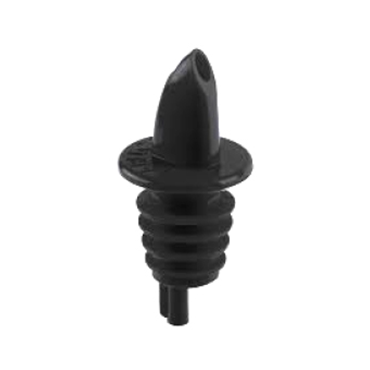
Siliconeblack plastic pour spout - Anytime Olive Oil Products oil pour spout

Flexible and modern, silicone is easy to clean and comes in fun colors. If your gourmet set leans more artisanal or rustic, a silicone spout might be the quirky detail that ties it all together.

Function Over Flash: Practical Features to Look For

A good-looking spout is nice, but it needs to work. Here’s what to consider:

No-Drip Design

No one likes an oil bottle that leaves a puddle on the counter. Go for a spout with a drip-free tip—it’s cleaner, more professional, and just plain better.

Controlled Flow

Some spouts pour like a fire hydrant. Others barely let the oil trickle out. Look for one with a tapered design that gives the user more control. Bonus if it has a built-in air vent for smoother flow.

Sealing Cap

Gourmet oils are usually high quality, and you don’t want them going rancid. A sealing cap keeps air out and freshness in. It’s also great for presentation—makes the bottle look complete.

Design Aesthetics: Making the Gift Instagram-Worthy

Presentation matters, especially if this is a gift. Choose a pour spout that complements the bottle’s design.

  • Rustic look? Opt for a wooden-topped or cork-style spout.

  • Modern vibe? A matte black or brushed steel finish is a stylish choice.

  • Playful or seasonal? Colored silicone tips can match holiday themes or personal preferences.

Compatibility: One Size Doesn’t Always Fit All

Not all bottles are created equal. Before you finalize that set, make sure the spout fits securely on the bottle neck. Universal-fit spouts usually work with most olive oil and vinegar bottles, but if your gift includes something unique—like a custom glass bottle—double-check compatibility.

Ease of Cleaning: Because Nobody Has Time for Fussy

Let’s face it—no one wants to clean a spout with 17 nooks and crannies. Look for spouts that are dishwasher-safe or easy to rinse under hot water. Removable parts are a plus.

Gift Packaging Tips: Dress It Up Right

Adding a spout to a gourmet gift is great—but don’t just toss it in the box.

  • Tie it to the bottle neck with twine or a satin ribbon.

  • Include a small tag explaining what it is and how to use it.

  • Place it in a separate velvet pouch for an upscale touch.

These little details can make your gift feel personalized and premium.

Pairing Spouts with the Right Oils and Vinegars

Different oils have different viscosities. Heavier oils like avocado oil need a wider spout. Thinner liquids like balsamic vinegar pair better with narrow openings to avoid splashing.

Want to go the extra mile? Include a little guide with the gift set:

  • Wide spout: avocado, sesame, peanut oils

  • Medium spout: extra virgin olive oil

  • Narrow spout: vinegar, truffle oil

Sustainability and Eco-Friendliness

If your recipient is eco-conscious, look for pour spouts made from recycled or biodegradable materials. Bamboo or glass options can give your set a natural, earthy appeal. It’s a win-win: thoughtful gifting with a green heart.

Add-On Ideas to Complete the Gourmet Set

The pour spout is just one piece of the puzzle. Here are some clever additions that make your gift stand out:

  • Oil infuser bottle – Great for herbs and spices

  • Mini recipe booklet – Include ideas for dressings and marinades

  • Dipping dishes or cruets – Complements the tasting experience

  • Artisan bread or spices – Turns oil tasting into a full-on event

When to Go Custom: Branding and Personalization

If you’re giving these sets as corporate gifts, wedding favors, or branded items, consider customizing the spouts. Many suppliers offer laser engraving or custom colors. Add a monogram or logo to make it truly unique.

wicker basket full of gourmet wine and jams - Anytime Olive Oil Products oil pour spoutWhere to Buy Quality Oil Pour Spouts

You can find decent pour spouts at most kitchen stores, but if you’re looking to impress, go beyond the basics:

  • Specialty kitchen boutiques

  • Etsy for handcrafted options

  • Gourmet retailers and cooking catalogues

  • Bulk suppliers for event gifting

Look at customer reviews, especially when buying online. You want to be sure they don’t leak, fit well, and look as good in person as they do in the photos.

Common Mistakes to Avoid

Even a great gift can go sideways if you overlook the details. Here are some pitfalls to dodge:

  • Choosing style over function

  • Forgetting to check fit

  • Overlooking packaging presentation

  • Ignoring oil type and viscosity

  • Skimping on quality for a lower price

Final Thoughts: A Small Detail with Big Impact

At first glance, an oil pour spout might seem like a minor accessory. But in the world of gourmet gifting, it’s one of those little details that turns “nice” into “wow.” It’s practical, elegant, and elevates the entire experience—both for the giver and the lucky recipient.

Whether you’re building a corporate gift set, crafting a housewarming basket, or surprising a foodie friend, choosing the right oil pour spout shows you’ve thought through every detail. And in gifting, that thoughtfulness makes all the difference.

Innovative Uses for Your Oil Pour Spout Beyond Cooking and Baking

When you think about an oil spout, you probably picture it as a trusty kitchen companion, helping you drizzle olive oil over salads or pour canola oil into the pan. But let’s be honest—this versatile tool deserves a standing ovation for its talents far beyond the stovetop. Whether you’re into gardening, home improvement, or just love finding creative uses for everyday objects, get ready to be inspired! Let’s dive into some clever ways you can use your oil spout outside the kitchen.

1. Watering Delicate Plants with Precision

Ever tried watering your delicate herbs or seedlings, only to flood them with too much water? Enter the oil spout! Its controlled flow makes it perfect for giving just the right amount of hydration. Fill a clean bottle with water, attach the spout, and voilà—your plants will thank you with vibrant green leaves.

2. DIY Home Cleaners with an Oil Spout Twist

If you love making your own cleaning solutions (think vinegar and water or essential oil blends), an oil spout can turn a plain bottle into a precision pouring masterpiece. No more spills or messes! Just fill up the bottle, pop on the spout, and dispense your homemade solution like a pro.

3. Refill and Dispense Liquid Soap

Why buy expensive soap dispensers when you can create one yourself? Clean an empty bottle, fill it with liquid soap, and attach your oil spout. Now you have a controlled soap dispenser perfect for the kitchen, bathroom, or even the garage sink.

4. Craft Supplies—Control the Flow of Glue or Paint

If you’re a crafter or a DIY enthusiast, you know the struggle of managing glue or paint. Instead of messy bottles that pour too much or too little, repurpose an oil spout! Attach it to your glue or paint container for precision application. This is especially helpful for intricate craft projects.

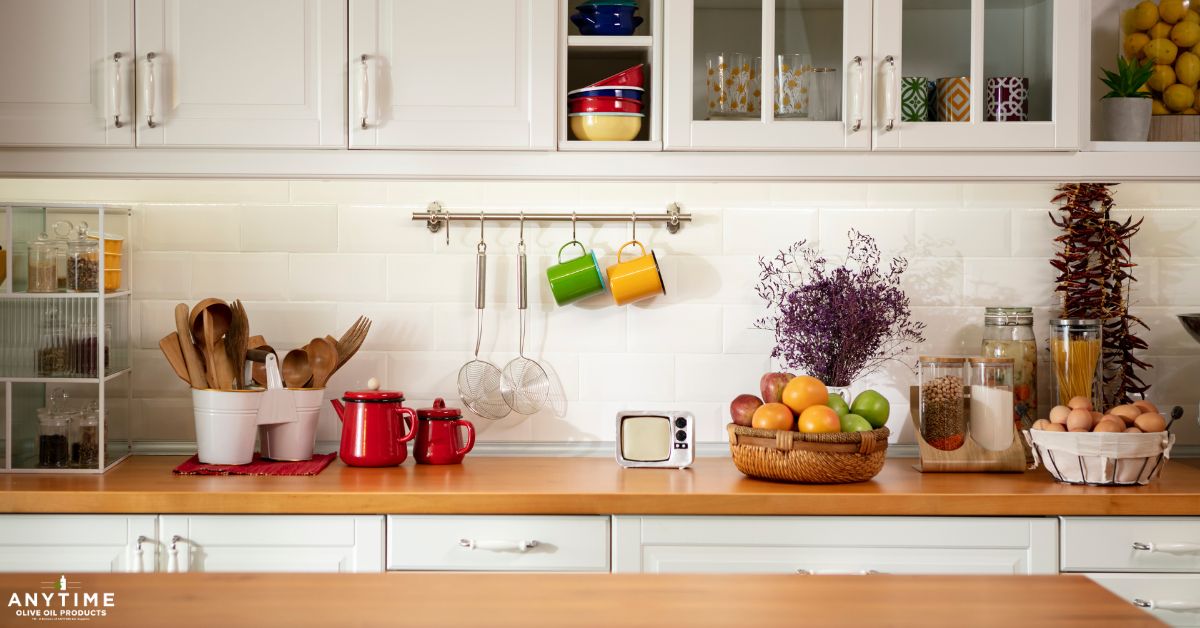
kitchen with white cabinets and light wood counters - Anytime Olive Oil Products oil pour spout5. Drip Irrigation for Small Garden Beds

Forget fancy drip irrigation systems. A clean bottle with an oil spout can serve as a simple, affordable solution. Fill the bottle with water, invert it into the soil, and let it slowly drip-feed your plants. It’s an ingenious way to keep them hydrated during hot days.

6. Dispensing Homemade Beauty Products

Are you into homemade shampoos, conditioners, or oils? An oil spout can turn any bottle into a handy dispenser for your beauty concoctions. Plus, it helps control the amount you use, minimizing waste and mess.

7. Filling Small Containers Without Spills

Ever tried pouring liquids like vinegar, oil, or even liquor into tiny containers? It can be a disaster waiting to happen. Use an oil spout to direct the flow and reduce spills. It’s especially useful when prepping travel-sized containers or spice jars.

8. Lubricating Small Household Items

That squeaky door hinge or stiff bike chain could use a touch of oil. Instead of using a bulky oil can, attach an oil spout to a small bottle of lubricant. It gives you control over the flow, so you can target just the right spots without overdoing it.

9. Custom Cocktail Mixing

Ready to elevate your home bartending game? Use an oil spout to control pours of simple syrup, grenadine, or even infused oils. This not only makes you look like a pro but also helps you perfect your ratios for consistently great cocktails.

10. Storing and Dispensing Liquid Fertilizer

Gardeners, listen up! An oil spout can make fertilizing your plants a breeze. Mix your liquid fertilizer, pour it into a bottle, and use the spout to dispense a precise amount right where you need it. No more over-fertilizing or wasting precious plant food.

11. Controlled Pouring of Motor Oil or Automotive Fluids

If you’re handy with car maintenance, you know how tricky it can be to pour fluids without a mess. Attach an oil spout to a small container of motor oil, brake fluid, or coolant for a clean, controlled pour. Your garage floor will stay spotless!

12. Refilling Candles or Oil Lamps

For those who enjoy candles or oil lamps, an oil spout makes refilling them a breeze. Instead of spills and drips, you’ll have a clean, targeted pour every time. Plus, you can reuse old bottles for a sustainable touch.

13. Precision Plant Fertilizer Mixing

If you mix plant food into watering cans or bottles, an oil spout can help you dispense concentrated liquid fertilizer slowly and precisely, preventing over-feeding and ensuring even distribution.

table with a red gingham cloth at a summer bbq - Anytime Olive Oil Products oil pour spout14. Reusing Oil Spouts for Other Kitchen Staples

Who says oil spouts are only for oil? Try using them for vinegar, salad dressings, or even soy sauce. They give you better control over the pour and can reduce the mess on your kitchen counters.

15. Dispensing Condiments at a BBQ

Finally, imagine hosting a BBQ and using oil spouts to serve ketchup, mustard, or BBQ sauce. Guests will love the ease of use, and you’ll avoid the dreaded ketchup splatter on your picnic table. Plus, you’ll look like the ultimate host with this little hack.

Oil Pour Spout

Who knew that a simple oil pour spout could unlock so many possibilities beyond cooking and baking? From nurturing your garden to keeping your home spotless, this humble tool proves that innovation often starts with reimagining the familiar. So the next time you’re about to toss out an old oil bottle, think again. With a little creativity, your oil spout might just become your new favorite multitasker!

Beyond the Bottle: Exploring the World of Olive Oil Pour Spouts

For many, olive oil is a kitchen essential—whether drizzled over a fresh salad, added to a sizzling pan, or used for dipping warm bread. But have you ever considered how you pour it? The humble pour spout, often overlooked, plays a crucial role in controlling flow, preserving freshness, and enhancing your overall cooking experience.

Let’s dive into the world of olive oil pour spouts and discover why they deserve a place in your kitchen.

The Importance of a Good Olive Oil Pour Spout

Olive oil pour spouts aren’t just an accessory—it’s a game-changer. If you’ve ever experienced that frustrating “glug” when pouring oil, resulting in either too much or too little landing on your dish, you already know why a controlled pour is essential. A well-designed spout ensures precision, reduces waste, and helps maintain the quality of your olive oil.

How a Pour Spout Enhances Olive Oil Usage

Olive oil pour spouts offer a multitude of benefits, from preventing overpouring and eliminating unwanted oil puddles on salads to providing precise flow control for cooking and finishing dishes, ensuring the perfect amount every time. These spouts also minimize mess by preventing oil drips down the bottle, keeping surfaces clean and free of sticky residue, and some even feature airtight closures to protect the oil’s freshness by reducing oxidation, thereby preserving its flavor and quality.

Types of Olive Oil Pour Spouts

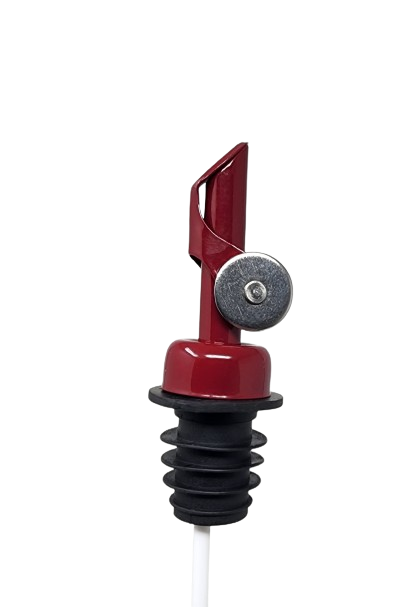
The world of olive oil pour spouts offers a diverse array of designs, each catering to specific culinary needs and preferences. Simple, open-ended free-flow spouts provide a steady, rapid stream, ideal for fast-paced kitchen environments where quick pours are essential. Tapered spouts, with their narrow and elongated design, offer enhanced control and a slower, more precise pour, making them perfect for drizzling and accurate recipe measurements. Flip-top spouts address the need for cleanliness by incorporating a small lid that opens upon tilting, effectively preventing dust and contaminants from entering the bottle, thereby preserving the oil’s quality. rubber cork pour spout - Anytime Olive Oil Products olive oil pour spouts

For optimal freshness preservation, sealed pour spouts feature rubber or silicone stoppers, creating an airtight seal. Many of these spouts also include a built-in flap or cap to further minimize air exposure when not in use. Finally, measured pour spouts cater to those who prioritize precision, dispensing oil in controlled amounts. These spouts are invaluable for calorie-conscious cooking or professional kitchens where consistency is paramount, ensuring that every pour is accurate and repeatable. Each design offers unique advantages, allowing individuals to select the pour spout that best aligns with their specific cooking habits and requirements.

Materials Matter: Choosing the Right Spout

The selection of material for an olive oil pour spout significantly influences its functionality and longevity, with stainless steel offering robust durability, rust resistance, and a sleek aesthetic favored by professionals, while plastic provides a lightweight and cost-effective alternative, albeit with potentially shorter lifespan. Silicone spouts offer flexibility and ease of insertion but may not match the durability of metal, and cork or rubber stoppers, while ensuring a snug bottle fit, are susceptible to degradation over extended use.

How to Properly Use and Maintain Your Pour Spout

Maintaining the longevity and functionality of your pour spout involves regular cleaning with warm, soapy water to prevent oil buildup, followed by thorough drying to avoid mold or spoilage; storing it in a cool, dark place to preserve the olive oil’s quality; and replacing it when it becomes loose or clogged to ensure optimal performance.

bowl of olives in olive oil - Anytime Olive Oil Products olive oil pour spoutsWhy Every Kitchen Needs an Olive Oil Pour Spout

If you use olive oil frequently, a pour spout is a small upgrade that makes a big difference. It enhances control, reduces mess, and helps maintain the integrity of your oil. Plus, with so many styles to choose from, you can find one that suits your cooking habits perfectly.

So next time you reach for that bottle of extra virgin olive oil, consider how a pour spout could elevate your experience. After all, great cooking starts with great tools—even the ones you never thought you needed!

Olive Oil Pour Spouts: A Small Change, Big Impact

Have you ever struggled with pouring olive oil, ending up with an unexpected mess on your counter or more oil than you needed in your dish? It’s a common problem, but the solution is surprisingly simple: olive oil pour spouts. This small kitchen accessory might seem insignificant, but it can transform your cooking experience, saving oil, reducing waste, and even improving the freshness of your favorite liquid gold.

Why You Need a Pour Spout for Your Olive Oil

The often-overlooked pour spout plays a pivotal role in minimizing oil waste, a common issue stemming from standard bottle openings. By facilitating controlled and precise pouring, these spouts effectively prevent spills and excessive oil usage, ensuring that every drop is utilized efficiently. Beyond waste reduction, pour spouts contribute significantly to preserving the quality of olive oil by minimizing its exposure to air and contaminants. This simple tool acts as a barrier, safeguarding the oil’s delicate composition and extending its shelf life. The benefits extend to kitchen hygiene as well, as pour spouts eliminate the messy oil rings and sticky residue that typically accumulate on countertops and bottle exteriors, maintaining a clean and organized cooking environment.

Further enhancing culinary precision, pour spouts grant users superior control over oil distribution. This precision is invaluable for various cooking techniques, from delicately drizzling oil over salads to accurately measuring amounts for baking. By eliminating the guesswork associated with pouring directly from the bottle, pour spouts empower cooks to achieve consistent results and elevate their culinary creations. The preservation of olive oil freshness is another key advantage; by minimizing air contact, pour spouts help maintain the oil’s flavor, aroma, and nutritional properties, ensuring that every dish benefits from the oil’s optimal quality. In essence, this seemingly simple kitchen accessory offers a multitude of benefits, encompassing waste reduction, cleanliness, and enhanced cooking precision.

Types of Olive Oil Pour Spoutsred self closing pour spout - Anytime Olive Oil Products olive oil pour spout

The diversity of pour spouts available caters to a wide spectrum of kitchen needs and personal preferences, highlighting that not all spouts are created equal. Tapered metal spouts, often crafted from stainless steel or aluminum, stand as the most prevalent choice, prized for their elegant design, robust durability, and precise pouring capabilities. Many of these spouts feature a flip-top cover, acting as a barrier against dust and contaminants, thus preserving the oil’s quality. Conversely, silicone or rubber pour spouts offer a more adaptable solution, characterized by their flexibility and ease of insertion and removal. These spouts conform snugly to various bottle sizes and frequently include a cap to maintain the oil’s freshness, making them a versatile option for diverse kitchen setups.

For those seeking even greater control over their oil usage, measured pour spouts provide a practical solution. These specialized spouts dispense a pre-determined quantity of oil with each pour, proving invaluable for individuals monitoring their intake. Automatic closing spouts, distinguished by their integrated flap mechanism, offer a blend of convenience and freshness preservation. These spouts automatically open when tilted for pouring and close when upright, effectively safeguarding the oil from exposure while streamlining the cooking process. Each type of pour spout presents unique advantages, allowing users to select the option that best aligns with their culinary habits and requirements.

How to Choose the Best Pour Spout

Selecting the ideal olive oil spout from a plethora of choices requires careful consideration of several key factors. Material plays a significant role; stainless steel offers robustness and a sophisticated appearance, seamlessly integrating into modern kitchen designs, while silicone provides flexibility and an airtight seal, crucial for preserving the oil’s quality. Your bottle type and overall kitchen aesthetic should guide this decision. Furthermore, the choice between a capped or uncapped spout impacts functionality and freshness. A cap effectively shields the oil from dust, insects, and air, extending its shelf life. However, for frequent users, an open spout offers convenient, immediate access.

row of oil bottles lined up together - Anytime Olive Oil Products olive oil pour spoutBeyond material and cap considerations, fit and compatibility are paramount. Ensuring the spout properly fits your bottle is essential for preventing spills and ensuring a secure seal. Some spouts are designed for standard olive oil bottles, while others boast adjustable designs to accommodate a wider range of sizes. Lastly, ease of cleaning should not be overlooked. Olive oil residue tends to accumulate over time, making a spout that is simple to clean a necessity. Dishwasher-safe options offer unparalleled convenience, while others may require manual rinsing to maintain hygiene and functionality.
How to Install and Maintain Your Pour Spout

Installing a pour spout is simple. Just remove the original cap, insert the spout snugly into the bottle’s opening, and ensure a tight fit.

To maintain it, regularly wipe the spout with a clean cloth, rinse it with warm soapy water, and let it dry before reinserting. If you notice clogging, soak the spout in warm water and use a small brush to remove oil residue.

Using an Olive Oil Pour Spout

A small investment in an olive oil pour spout can make a significant difference in your kitchen. From reducing waste to keeping your countertops clean and preserving the oil’s freshness, this tiny tool offers big benefits. If you haven’t tried one yet, now is the time to upgrade your olive oil experience—you’ll wonder how you ever managed without it!