
Discover our range of precision pour spouts, engineered to enhance your olive oil dispensing and preservation.

Tag Archive for: Olive Oil Pour Spouts

How to Clean and Maintain Your Olive Oil Pour Spout

Olive oil is a kitchen staple for anyone who loves cooking with fresh and healthy ingredients. But if you’re not paying attention to your olive oil pour spout, you might be inviting drips, clogs, and even mold into the mix. Keeping your olive oil pour spouts clean and well-maintained ensures not only better hygiene but also smooth oil flow every time you use it. So, let’s dive into how you can properly clean and maintain your olive oil pour spout for a better kitchen experience.

Why You Should Regularly Clean Your Olive Oil Pour Spout

Cleaning your olive oil pour spout is essential for various reasons. It prevents oil buildup and clogging, ensuring smooth pouring. Regular cleaning also helps avoid contamination from dust, dirt, or mold, especially if the spout is exposed to air. Additionally, maintaining a clean spout extends its lifespan and contributes to a more aesthetically pleasing kitchen environment.

What You’ll Need for Cleaning

Cleaning an olive oil pour spout is a simple task that doesn’t require any special tools. All you need are a few basic items: warm, soapy water, white vinegar or baking soda, a small brush (like a bottle brush or toothbrush), soft cloths or paper towels, and hot water for rinsing. With these items on hand, you can easily clean your spout and keep it in top condition.

line up of multiple toothbrushes - Anytime Olive Oil Products olive oil pour spoutsStep-by-Step Guide to Clean Your Olive Oil Pour Spout

To clean your olive oil pour spout, start by gently removing it from the bottle, wiggling it slightly if needed. Drain any excess oil into the sink or onto a paper towel. Next, prepare a bowl of warm, soapy water and submerge the spout, letting it soak for 15-20 minutes to loosen any grime. Use a small brush to scrub the inside and outside of the spout, paying special attention to the narrow tip. Rinse the spout thoroughly with hot water to remove all soap residue. For a deeper clean, you can soak the spout in a mixture of equal parts water and white vinegar for 10 minutes. Finally, ensure the spout is completely dry before reattaching it to the bottle to prevent any issues with the oil.

Tips to Maintain Your Olive Oil Pour Spout

To keep your olive oil pour spout in optimal condition, prioritize regular cleaning. Aim to clean your spout every 1-2 weeks, or more frequently if you use it daily. This simple habit prevents buildup and ensures smooth, hassle-free pouring.

Additionally, consider the quality of your olive oil and storage conditions. Opt for high-quality extra virgin olive oil, as lower-quality oils can leave behind sticky residue that may clog the spout. Store your olive oil in a cool, dark place to maintain its freshness and prevent oxidation. When transferring oil to smaller bottles, avoid overfilling to reduce the risk of spills and prevent oil from entering the spout. Lastly, inspect your spout regularly for signs of mold or hardened oil. Promptly clean any residue to avoid contamination and unpleasant odors.

How to Choose the Best Pour Spout for Easy Maintenance

Choosing the right pour spout can significantly simplify your cooking experience. Opt for a removable spout that can be easily disassembled for thorough cleaning. Stainless steel or silicone spouts are ideal as they are durable, resistant to rust, and less likely to trap oil residue compared to plastic options. While narrow-tip spouts offer precision pouring, they may be prone to clogging for daily use. For frequent use, consider a spout with a slightly wider opening to ensure smooth and hassle-free oil flow.

Benefits of Maintaining a Clean Olive Oil Pour Spout

A clean olive oil pour spout is essential for hygienic cooking. It helps prevent unwanted contaminants from entering your oil, ensuring its purity and freshness. A well-maintained spout also promotes smooth and even oil flow, eliminating drips, clogs, and uneven pouring. This not only saves you time and effort but also contributes to a cleaner and more efficient cooking experience.
Regular cleaning and maintenance of your pour spout can significantly extend its lifespan. By removing oil residue and preventing buildup, you can reduce wear and tear and avoid the need for frequent replacements. A clean spout also helps keep your kitchen tidy by preventing sticky messes and oily residue on your countertops.

Incorporating a simple cleaning routine into your cooking habits can make a big difference. By taking a few minutes to clean your pour spout regularly, you can enjoy hassle-free pouring and maintain the quality of your olive oil. So, next time you’re in the kitchen, remember to give your pour spout the attention it deserves. Your future cooking self will thank you!

5 Tips for Using an Olive Oil Pour Spout to Reduce Mess and Waste

Olive oil is a kitchen staple for cooking, dressing salads, or even drizzling over freshly baked bread. However, when you’re pouring it from a bottle, the process can get messy fast. If you’ve ever struggled with spills or wasted oil running down the bottle, you know how frustrating it can be. That’s where olive oil pour spouts comes in handy. These handy gadgets can reduce mess, minimize waste, and make your cooking experience smoother.

In this article, we’ll share five practical tips to get the most out of your olive oil pour spout, helping you keep your kitchen cleaner and make every drop count.

Choose the Right Pour Spout for Your Bottle

Before pouring olive oil, it’s crucial to select the right pour spout for your bottle. Not all spouts are created equal, and a well-matched spout can significantly improve pouring control and reduce mess.

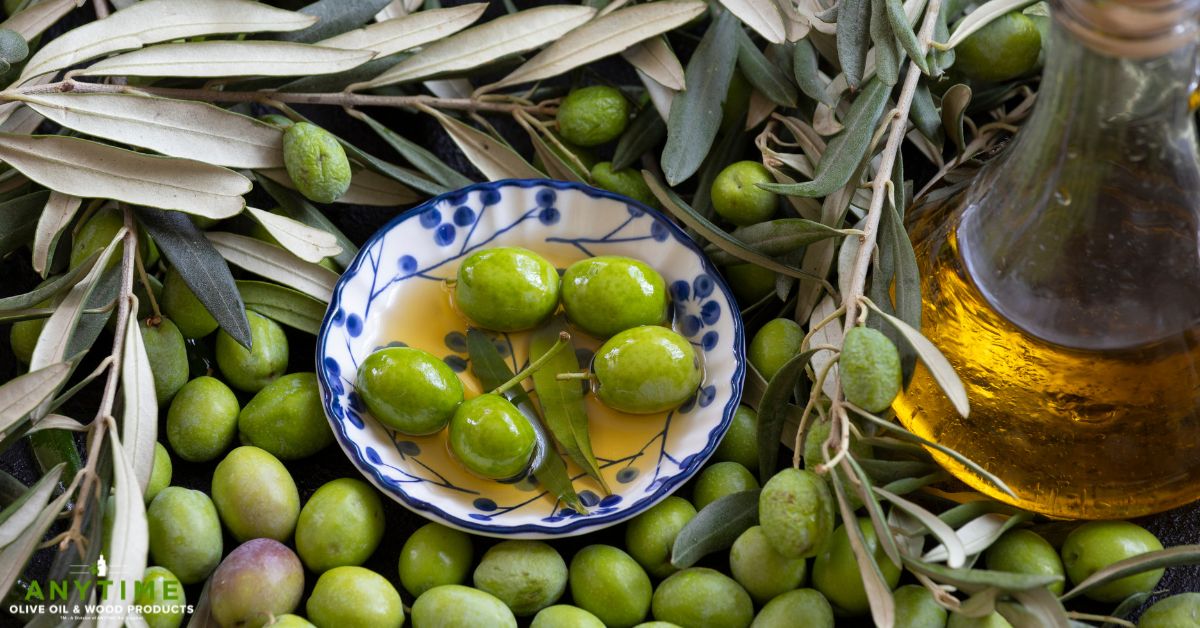
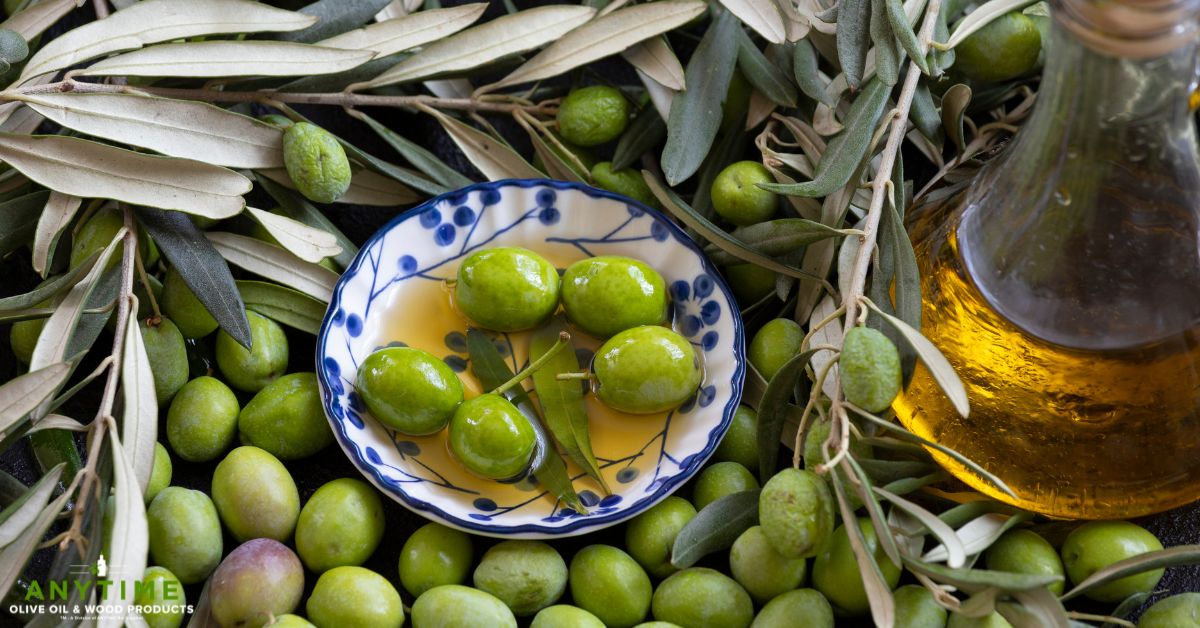
bowl of olives in olive oil - Anytime Olive Oil Products olive oil pour spoutsOlive oil bottles come in various shapes and sizes, so it’s essential to choose a spout that fits the neck of your specific container. Larger bottles may require a bigger spout for a smoother flow, while smaller bottles benefit from more compact, precise pourers. A snug fit is vital to prevent oil leakage during pouring.
A properly fitting pour spout offers several advantages. It allows for controlled pouring, minimizing the risk of over-pouring, dripping, and spills. Additionally, a secure fit helps to keep air out of the bottle, which can slow down the oxidation process and preserve the oil’s quality over time.

Attach the Pour Spout Correctly

Once you’ve selected the right pour spout, the next crucial step is to ensure it’s securely attached to your olive oil bottle. A loose fit can lead to messy spills and leaks, even before you’ve poured a single drop.

To avoid these issues, always double-check the spout’s fit before use. Gently twist the spout onto the bottle’s neck until it feels firmly in place. A tight seal will prevent oil from escaping when the bottle is not in use and minimize the risk of spills during pouring.

To further ensure a leak-proof fit, tilt the bottle over a sink or a towel after attaching the spout. If no oil drips out, the spout is securely in place. This simple precaution can save you from unnecessary cleanup and keep your kitchen mess-free.

Control the Flow of Oil

A common issue people face when pouring olive oil is that the flow is either too fast or too slow. The key to using a pour spout effectively is to control the flow.

Many olive oil pour spouts come with built-in features like an angled opening, a stopper, or a spout with a nozzle to help regulate the flow of oil. The key is to pour gently and steadily. If your spout has an adjustable mechanism, you can tweak it to suit your needs for different cooking tasks.

When you pour, remember that it’s all about slow and steady. Tilting the bottle too quickly can lead to a flood of oil, while pouring too slowly can make it seem like it’s taking forever to use. Practice finding that balance to avoid over-pouring and wasting precious oil.

Keep the Pour Spout Clean

Olive oil is greasy by nature, and if your pour spout is dirty or clogged, it can affect both the flow of oil and the taste. Keeping your pour spout clean not only ensures smoother pouring but also keeps the oil fresh for longer.

After each use, it’s essential to clean the spout thoroughly to avoid oil buildup. Wipe the outside with a damp cloth and check the inside for any oil residue that might have dried and hardened. If you notice any oil stuck inside, a quick rinse with warm water and mild soap should do the trick.

Ideally, you should clean your pour spout after each use, especially if the oil has been sitting in it for a while. If you use olive oil frequently, cleaning it once a week is a good rule of thumb to prevent buildup and ensure a consistent, clean flow every time.

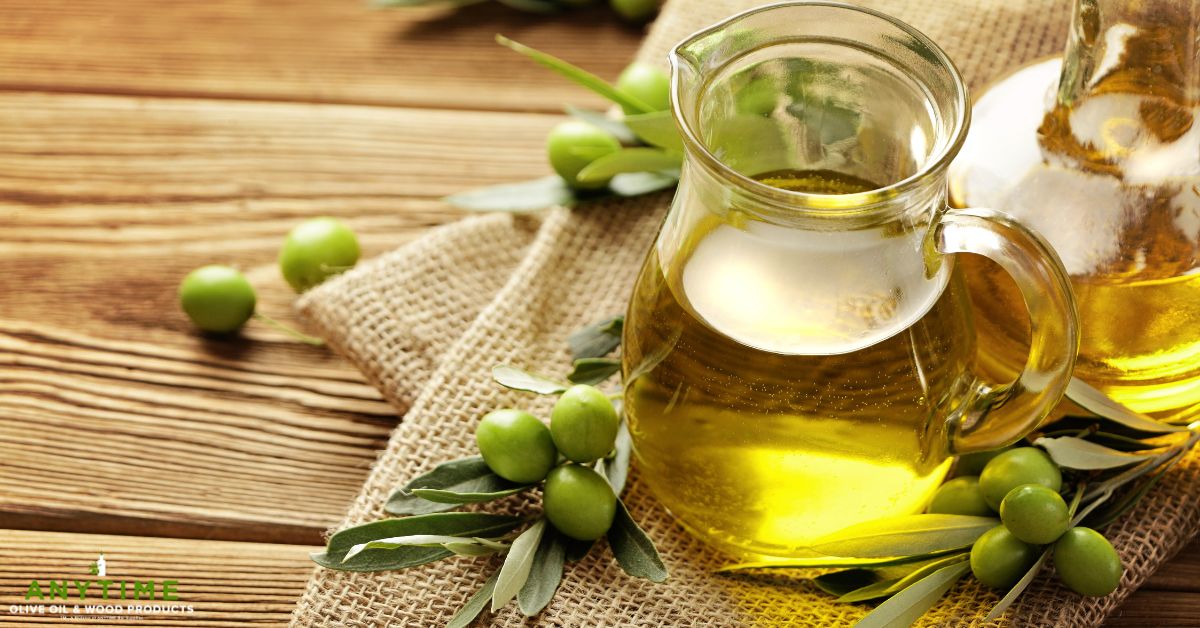
olives next to a pitcher of olive oil - Anytime Olive Oil Products olive oil pour spoutsStore Your Olive Oil Properly

Even the best pour spout won’t save you from spills if the olive oil isn’t stored correctly. Proper storage is key to maintaining the oil’s freshness and preventing any spillage when you pour.

When olive oil is exposed to air, light, or heat, it can become rancid more quickly. Storing your oil in a cool, dark place, such as a kitchen cabinet or pantry, is essential for preserving its quality. Additionally, when olive oil is stored upright, it reduces the chances of leaks and spills from an improperly sealed spout.

Olive oil should be stored at room temperature, ideally between 57°F (14°C) and 70°F (21°C). Keeping it in a clear glass bottle exposed to sunlight can cause the oil to oxidize and lose flavor. If your bottle is clear, consider transferring the oil into a darker container to preserve its taste and texture.

Olive Oil Pour Spouts

Using an olive oil pour spout is a simple way to reduce mess and waste in the kitchen, but only if you use it properly. By choosing the right spout, securing it tightly to your bottle, controlling the flow, cleaning it regularly, and storing your oil correctly, you can ensure that every pour is smooth, efficient, and mess-free. Not only will this save you time cleaning up, but it will also help preserve the quality of your olive oil and reduce waste in the long run.

Essential Kitchen Tools: Olive Oil Pour Spouts for Mess-Free Pouring

Olive oil is a staple in many kitchens around the world, from being drizzled over salads to enhancing the flavors of savory dishes. However, pouring olive oil can sometimes feel like an art form – too much, and you end up with greasy food; too little, and the taste might fall flat. That’s where olive oil pour spouts come into play. These simple yet brilliant tools help control the flow of oil, ensuring that you pour just the right amount every time. In this article, we’ll dive into the reasons why olive oil pour spouts are an essential kitchen tool for mess-free pouring.

Why You Need an Olive Oil Pour Spout in Your Kitchen

Olive oil bottles without pour spouts are notorious for creating a mess. Drips and spills are common, even with a steady hand. However, an olive oil pour spout offers a solution by providing controlled pouring and preventing drips. This kitchen essential ensures that oil goes exactly where you want it, eliminating the risk of countertop stains. Beyond cleanliness, pour spouts enable precise pouring, making it easier to measure oil for recipes or drizzle for garnish. Additionally, by minimizing air exposure, pour spouts help preserve the freshness of olive oil, safeguarding its flavor and quality over time.

kitchen with white cabinets and stainless steel appliances - Anytime Olive Oil Products olive oil pour spoutsHow Olive Oil Pour Spouts Work

An olive oil pour spout is designed to fit snugly onto your olive oil bottle, allowing the oil to flow in a controlled manner. Most pour spouts are made from stainless steel, silicone, or plastic, and they come in various designs, each with its unique functionality. Some feature a simple pour lip, while others include a stopper or cap to seal the bottle between uses.

When you tip the bottle, the spout guides the oil out in a smooth, even stream. The spout’s design often includes a small hole at the top, which helps air flow into the bottle to prevent vacuum suction, making pouring smoother.

The Different Types of Olive Oil Pour Spouts

Traditional metal pour spouts, often crafted from stainless steel, are a classic choice. These spouts simply slip onto the bottle’s neck, offering a straightforward and durable solution. They’re perfect for those who prioritize functionality over frills.

Plastic or silicone pour spouts, often accompanied by a cap or stopper, provide both practicality and style. Their caps help maintain freshness and prevent spills, making them ideal for those who value convenience and aesthetic appeal. Additionally, pouring caps with built-in drizzle control offer precise pouring and drip-free performance, while spouts with ventilation systems provide enhanced control over the oil flow, particularly for slow and steady pouring.

Benefits of Using Olive Oil Pour Spouts

A pour spout offers numerous advantages beyond mere convenience. It promotes a cleaner kitchen by preventing messy bottles and greasy countertops. By minimizing air exposure, it helps extend the shelf life of your olive oil. Additionally, a pour spout enables precise control over the amount of oil used, reducing waste and making it a cost-effective kitchen tool. Whether you’re cooking or simply drizzling oil on a salad, a pour spout empowers you to add the perfect amount of oil, enhancing your culinary experience.

How to Choose the Right Olive Oil Pour Spout

With the abundance of pour spout options available, selecting the right one can seem daunting. When shopping for a pour spout, several key factors should be considered. Material is a significant consideration, with metal spouts offering durability while plastic and silicone options often provide affordability and gentle handling of glass bottles. Ease of cleaning is another crucial factor, as frequent use necessitates a simple cleaning process.

Stainless steel spouts are generally the easiest to clean, while plastic models may require more thorough cleaning to remove oil residue. Design preferences also play a role, with options ranging from spouts with caps or stoppers to simple pour lips. Consider how often you use your olive oil and whether a tight seal is necessary when choosing a design. Finally, compatibility is essential, as not all pour spouts fit every bottle. Ensure the chosen spout fits snugly onto your olive oil bottle, paying attention to specifications, especially for standard-sized bottles.

How to Use an Olive Oil Pour Spout

Using an olive oil pour spout is a simple process that can elevate your cooking experience. To begin, securely attach the spout to the neck of your olive oil bottle. Next, gently tilt the bottle to allow the oil to flow through the spout. Be mindful of the angle to prevent spills. To control the flow of oil, simply adjust the tilt of the bottle. For smaller amounts, a slow and gentle tilt is ideal. Once you’re finished, wipe down the spout to remove any excess oil, ensuring it’s clean and ready for your next culinary endeavor.

bowl of olives and a bottle of olive oil - Anytime Olive Oil Products olive oil pour spoutsTips for Maintaining Your Olive Oil Pour Spout

To ensure optimal performance and longevity of your olive oil pour spout, consistent care is essential. Regular cleaning is crucial to prevent oil buildup that can hinder the smooth flow of oil. Additionally, periodically checking for blockages, which can occur from dried oil, is vital to maintain a clear spout. When not in use, storing the olive oil bottle upright helps prevent leaks. Furthermore, for removable spouts, thorough drying after cleaning is crucial to avoid water buildup that could compromise the quality of the oil.

Olive Oil Pour Spouts

Olive oil pour spouts are a must-have in any kitchen. They simplify pouring, help control the flow of oil, and keep your kitchen clean and mess-free. Whether you’re using it for cooking or drizzling over a fresh salad, the right pour spout can elevate your culinary experience. By choosing the right one for your needs and maintaining it well, you’ll find that cooking with olive oil has never been easier or more efficient.

Elevate Your Dishes with These Unique Infused Olive Oil Recipes

Infused olive oils add a burst of flavor to your culinary creations, taking your dishes to new heights. By combining high-quality olive oil with various herbs, spices, and other ingredients, you can create unique and delicious flavor combinations that will impress your family and friends. In this article, we will explore 15 infused olive oil recipes that are sure to elevate your dishes and delight your taste buds.

Garlic and Herb Infused Olive Oil

Ingredients:

  • 2 cups extra virgin olive oil
  • 4-5 cloves of garlic, peeled and crushed
  • 2 tablespoons of mixed dried herbs (such as rosemary, thyme, oregano, and basil)

Instructions:

  1. In a saucepan, heat the olive oil over low heat.
  2. Add the crushed garlic and dried herbs.
  3. Let the mixture simmer for 10-15 minutes, allowing the flavors to infuse.
  4. Remove from heat and let it cool.
  5. Strain the oil to remove the garlic and herbs.
  6. Transfer the infused oil to a bottle and store it in a cool place.

This garlic and herb infused olive oil is perfect for drizzling over roasted vegetables, tossing with pasta, or as a flavorful dip for bread.

Lemon and Rosemary Infused Olive Oil

Ingredients:

  • 2 cups extra virgin olive oil
  • Zest of 2 lemons
  • 4-5 sprigs of fresh rosemary

Instructions:

  1. In a clean glass jar, combine the olive oil, lemon zest, and fresh rosemary.
  2. Close the jar tightly and let it sit for a week, allowing the flavors to infuse.
  3. After a week, strain the oil to remove the lemon zest and rosemary.
  4. Transfer the infused oil to a bottle and store it in a cool place.

This lemon and rosemary infused olive oil adds a bright and herbal flavor to grilled chicken, roasted potatoes, or as a dressing for salads.

Chili and Lime Infused Olive Oilspices-and-herbs-on-brown-wooden-table-Olive-Oil-Pour-Spouts-Infused-Olive-Oil-Recipes

Ingredients:

  • 2 cups extra virgin olive oil
  • 2-3 fresh red chili peppers
  • Zest of 2 limes

Instructions:

  1. In a saucepan, heat the olive oil over low heat.
  2. Add the fresh red chili peppers and lime zest.
  3. Let the mixture simmer for 10-15 minutes, allowing the flavors to infuse.
  4. Remove from heat and let it cool.
  5. Strain the oil to remove the chili peppers and lime zest.
  6. Transfer the infused oil to a bottle and store it in a cool place.

This chili and lime infused olive oil adds a spicy and tangy kick to stir-fries, grilled seafood, or drizzled over tacos.

Basil and Garlic Infused Olive Oil

Ingredients:

  • 2 cups extra virgin olive oil
  • 1 cup fresh basil leaves
  • 4-5 cloves of garlic, peeled and crushed

Instructions:

  1. In a blender, combine the olive oil, fresh basil leaves, and crushed garlic.
  2. Blend until smooth and well combined.
  3. Pour the mixture into a saucepan and heat over low heat for 10-15 minutes.
  4. Remove from heat and let it cool.
  5. Strain the oil to remove any remaining solids.
  6. Transfer the infused oil to a bottle and store it in a cool place.

This basil and garlic infused olive oil is a perfect addition to pasta dishes, caprese salads, or drizzled over bruschetta.

Truffle Infused Olive Oil

Ingredients:

  • 2 cups extra virgin olive oil
  • 1 teaspoon truffle oil or 2-3 small truffles, finely chopped

Instructions:

  1. In a saucepan, heat the olive oil over low heat.
  2. Add the truffle oil or chopped truffles.
  3. Let the mixture simmer for 10-15 minutes, allowing the flavors to infuse.
  4. Remove from heat and let it cool.
  5. Strain the oil to remove any truffle solids.
  6. Transfer the infused oil to a bottle and store it in a cool place.

two small containers of oil with lemons - Olive-Oil-Pour-Spouts-Infused-Olive-Oil-RecipesThis luxurious truffle infused olive oil adds a decadent touch to risottos, mashed potatoes, or drizzled over scrambled eggs.

Conclusion

Infused olive oils offer a world of possibilities when it comes to enhancing the flavors of your dishes. From the aromatic garlic and herb infusion to the exotic truffle-infused oil, these unique recipes will elevate your culinary creations to new heights. Keep your new olive oil creations fresh by storing them properly and adding a pour spout! Get creative, experiment with different flavors, and enjoy the journey of discovering your favorite infused olive oil combinations.

The Importance of a Quality Oil Pour Spout: Enhancing Your Culinary Experience

In the realm of cooking and culinary delights, even the smallest details can make a significant difference. One such detail that often goes unnoticed but plays a crucial role in enhancing your culinary experience is the oil pour spout. By providing precision, control, and convenience, a quality oil pour spout can elevate your cooking game to new heights. In this article, we will explore the importance of investing in a quality oil pour spout and how it can revolutionize your culinary adventures.

Enhancing Culinary Experience

A quality oil pour spout has the power to transform your cooking experience by making it more seamless and enjoyable. Gone are the days of struggling with cumbersome oil bottles and dealing with messy spills. With a pour spout, you can effortlessly pour the desired amount of oil, adding just the right touch to your dishes. Whether you’re drizzling oil over a salad or adding it to a sizzling pan, a pour spout provides the precision and control you need to achieve culinary perfection.

Precision and Control

Portion control is crucial in cooking, and a quality oil pour spout allows you to measure the amount of oil you pour accurately. By preventing excessive pouring, it helps you maintain control over the flavors and textures of your dishes. Additionally, the spout’s design minimizes spills and drips, keeping your kitchen clean and ensuring that every drop of precious oil ends up where it belongs – in your culinary creations.

Preservation of Flavor and Freshnesssilver-and-black-oil-spout-olive-oil-pour-spouts-qulity-oil-pour-spout

Air exposure can significantly affect the quality and freshness of oils, particularly delicate ones like olive oil. When exposed to air, oils can oxidize and lose their original flavor profiles, compromising the taste of your dishes. A quality oil pour spout acts as a barrier, preventing excessive air from entering the bottle. By reducing oxidation, it helps preserve the oils’ flavors and freshness, allowing you to enjoy the full range of aromas and nuances in your cooking.

Versatility and Convenience

One of the great advantages of quality oil pour spouts is their versatility. These spouts are designed to fit a wide range of oil bottles, ensuring compatibility with various brands and sizes. Whether you’re using a small bottle of extra virgin olive oil or a larger container of vegetable oil, a pour spout can easily be inserted, providing a hassle-free pouring experience every time.

In addition to their compatibility, oil pour spouts offer unmatched convenience. They eliminate the need to remove and replace caps or lids every time you want to use oil, saving you time and effort in the kitchen. With a simple flip of the spout, you have instant access to your oil, allowing you to pour it smoothly and efficiently. This convenience becomes particularly valuable during busy cooking sessions or when you’re juggling multiple ingredients.

Stylish and Durable Designs

Oil pour spouts come in a variety of stylish and durable designs, making them not just functional but also visually appealing. From sleek stainless steel spouts to elegant glass options, you can find a spout that complements your kitchen décor and personal style. Investing in a well-designed pour spout not only enhances your culinary experience but also adds a touch of sophistication to your kitchen.

When choosing a spout, consider factors such as the material’s durability, ease of cleaning, and overall design. Opt for high-quality materials that are resistant to corrosion and can withstand frequent use. A well-crafted oil pour spout will serve you for years, ensuring a reliable and enjoyable cooking experience.

Cleaning and Maintenance

Maintaining cleanliness and hygiene in the kitchen is of utmost importance, and oil pour spouts are no exception. To keep your spout in optimal condition, it’s essential to clean it regularly. Most oil pour spouts can be easily disassembled for thorough cleaning. Simply remove the spout from the bottle and rinse it with warm, soapy water. Ensure all residue and oil buildup are removed, and let it air dry before reattaching it to the bottle. Regular cleaning not only keeps your spout sanitary but also prevents any cross-contamination between different types of oils.

Eco-Friendly Choice

In today’s environmentally conscious world, making sustainable choices is paramount. By using a quality oil pour spout, you contribute to reducing plastic waste. Instead of purchasing multiple small oil bottles that come with their own individual caps and pour spouts, you can invest in a single, reusable pour spout that fits various oil containers. This reduces the amount of plastic waste generated and promotes a greener, more eco-friendly kitchen.

Cost-Effectivenessperson-pouring-olive-oil-from-spout-onto-salad-olive-oil-pour-spouts-qulity-oil-pour-spout

While some may view oil pour spouts as an additional expense, they actually prove to be a cost-effective investment in the long run. By providing precise pouring and portion control, they help you avoid unnecessary oil wastage. This not only saves you money but also ensures that your oil lasts longer, extending its shelf life. With a quality pour spout, you can enjoy the benefits of using the right amount of oil without worrying about excessive usage or unnecessary expenses.

Conclusion

Investing in a quality oil pour spout is a decision that can significantly enhance your culinary experience. With precise pouring, portion control, and the preservation of flavor and freshness, a pour spout becomes an essential tool in your kitchen. The versatility, convenience, and eco-friendly aspects of pour spouts make them a practical choice for every home cook. Consider your needs, read reviews, and choose a well-designed pour spout that complements your cooking style. Elevate your culinary adventures and enjoy the benefits of a quality oil pour spout.

The Importance of Using an Oil Spout in Your Kitchen

If you cook at home frequently, then you know the importance of having the right tools and equipment in your kitchen. One such tool that often gets overlooked is the oil spout. While it may seem like a small and insignificant item, it can actually make a big difference in your cooking experience. In this article, we will discuss the importance of using this tool in your kitchen, the benefits it offers, and why you should consider adding one to your collection of kitchen tools.

What is an Oil Spout?

This is a small and narrow spout that attaches to the opening of a bottle of oil. It allows you to pour the oil in a controlled and precise manner, preventing spills and drips. Oil spouts are typically made from materials like stainless steel or silicone, and they come in a variety of shapes and sizes to fit different types of oil bottles.

Benefits of Using an Oil Spout

Precise Pouring

One of the biggest benefits of using a spout is that it allows you to pour oil in a controlled and precise manner. With a regular oil bottle, it can be difficult to control the flow of oil, which can result in spills and drips. An oil spout, on the other hand, gives you better control over the amount of oil you pour, which can be especially important when you need to add just a small amount to a dish.

Easy to Clean

Oil spills can be a hassle to clean up, especially if they get on your countertop or kitchen floor. This makes it easier to pour oil without making a mess, which can save you time and effort when it comes to cleaning up. Additionally, most oil spouts are dishwasher safe, making them easy to clean and maintain.

silver pour spout with a black seal on the bottomPrevents Oxidation

When oil comes into contact with air, it can start to oxidize, which can cause it to go rancid faster. You can minimize the amount of air that comes into contact with the oil, which can help to extend its shelf life.

Saves Money

They can also help you save money in the long run. By controlling the amount of oil you pour, you can prevent waste and ensure that you’re not using more oil than you need. This can be especially important if you’re using expensive oils like olive oil.

How to Use an Oil Spout

Using an oil spout is easy. Simply remove the cap from your oil bottle and insert the spout into the opening. Make sure the spout is secure, and then tilt the bottle to pour the oil. Use your thumb to control the flow of oil by covering or uncovering the hole in the spout.

Why You Should Consider Using an Oil Spout

This is a must-have tool for any kitchen. With its precise pour, you can avoid spills, reduce waste, and extend the shelf life of your oils. Investing in one is a small step that can lead to significant improvements in your cooking and overall kitchen experience. Don’t miss out on the benefits of this essential kitchen tool.

Conclusion

An oil spout is a small and simple tool that can make a big difference in your cooking experience. By allowing you to pour oil in a controlled and precise manner, you can prevent spills, reduce waste, and extend the shelf life of your oils. It’s an essential tool for anyone who loves to cook and wants to elevate their kitchen game. So if you haven’t already, consider investing in one, or a few, and experience the difference for yourself. Contact us today for more information!

What is the best way to keep olive oil from being oxidized or rancid?

When running a food service, you’re always working against the clock. You have to get orders out in a timely fashion or else you risk loosing customers. At the same time, you have to move food products quickly enough so that they don’t spoil. For every item in your inventory, the rate of spoilage and the associated risks are different, and you have to learn tips and tricks for all of it.

When it comes to olive oil — an essential in many kitchens — the biggest risk is that it will oxidize and turn rancid. How do you prevent that?

There are two things you need to know: proper storage and proper usage. You’ll find explanations of both below.

Safe Storage & Olive Oil Pour Spouts

The easiest way to protect your olive oil and keep it pristine for long periods of time is to implement practices of safe storage.

First and foremost, keep it sealed tightly. The easiest way for olive oil to turn rancid is through exposure to oxygen. Oxygen in the air reacts chemically with olive oil and will spoil the oil over time. If your oil bottle is sealed with a screw cap, that cuts off the flow of air to the bottle, and the oil will keep much longer.

On a similar note, it’s important to store your olive oil in an appropriate bottle. You want to use nonreactive materials. Glass is the mostPouring olive oil in small glass bowl - Olive Oil Pour Spouts Preventing Rancid Olive Oil common choice because it doesn’t react with olive oil at all. Ceramic and porcelain containers are also safe. Stainless steel can work too, but be sure that it is in fact stainless.

Most metal containers are no good, as the metals react with the oil and spoil it faster. Plastic bottles are suboptimal too, as the oil can dissolve and absorb PVCs in the plastics.

Lastly, store your oil in a dark, cool place. Cellar temperatures are ideal; there’s no need to freeze olive oil. Higher temperatures speed up chemical reactions and shorten the oil’s shelf life. Similarly, light can add energy to the bottle and accelerate the oxidation and degradation of the oil.

Safe Usage

Of course, you buy the oil to use it. It can’t just sit on a shelf forever. How do you safely use olive oil to prevent spoilage?

You follow as many of the above principles as possible. When it’s not in use, keep it in proper storage. Even when it is in use, stick with glass or other nonreactive bottles.

Most importantly, you want to minimize how much oxygen can get into the bottle. For that, the easiest solution is to use sealing olive oil pour spouts. In most cases, sealing pour spouts are also measured pour spouts. How do measured pour spouts work?

They have valves built into them that prevent air from making its way into the bottle. So, you can pour out oil as needed, and even though you have an open spout, air is not readily flowing back into the bottle, and you reduce the risk of oxidation.

If you want pour spouts that help you serve olive oil and keep it from turning rancid, look no further than Anytime Olive Oil & Wood Products. Contact us today to see all of your options and find the perfect tools that protect your olive oil.

Can Olive Oil Be Refrigerated?

Disadvantages of refrigerating olive oil

The most noticeable drawback of chilled olive oil is that it congeals into a thick, turgid substance. The oil is unsuitable for meals like salads in this crystallized state because it won’t drip.

Olive oil is a liquid at room temperature, which is seldom as warm as the human mouth in most countries. This means when frozen olive oil enters a human’s mouth, it is bound to warm up and turns into liquid. Unfortunately, the warming process is uneven and can result in an unpleasant taste and, most likely, an unhappy culinary experience.

Many studies strongly suggest that repeatedly removing and returning olive oil to a refrigerator stresses the oil and shortens its shelf life. This is due to repeated oxidation (when oxygen in the air mixes with fatty molecules, causing the oil to lose its cohesion, consistency, and flavor).

Since using it congealed isn’t preferred, a final disadvantage of refrigerating olive oil is that you must wait for the oil to warm up. No one wants to wait around for their olive oil to warm up.

How to properly store olive oil

With refrigerating your olive oil not an option, what’s the best way to store olive oil? We’ve got a few recommendations…

  • To help prevent spoilage, we recommend storing your olive oil where it’s dark and in a well-sealed container. Olive oil and oxygen don’trow of olive oils - Olive Oil Pour Spouts Can Olive Oil Be Refrigerated? mix well together. On top of that, a poorly sealed container could potentially allow for bugs and other unwanted substances to get into your olive oil.
  • Store olive oil where it is dry, along with air, moisture is the oil’s worst enemy. As water hydrolyses its fatty molecules, turning them into horrid-looking clumps of goop that neither you nor any dinner companions would willingly eat.

In brief, store olive oil in a cold, dry cupboard in a sealed container. For best results, we recommend using a pour spout to seal the container, especially one with a separate intake for air and a flap to keep the tap closed when oil isn’t pouring out of it. Contact us for more information on olive oil pour spouts!

Refrigerating olive oil myth

There is a persistent rumor that refrigerating olive oil will help you tell whether you have authentic olive oil. This in fact isn’t true.

Manufacturers of genuine olive oil produce liquids with different chemical compositions. Each composition acts differently when refrigerated. Thus, there isn’t a way to use refrigeration to distinguish that quality of olive oil.

In short, should you refrigerate olive oil?

While it’s completely up to you, we highly recommend not refrigerating your olive oil. When stored in fridge-cold temperatures, olive oil forms crystals and turns solid. In this hardened state, olive oil is difficult to pour out of an open-topped container and even impossible to use out of a pour spout.

How do you know if olive oil has gone bad?

Can olive oil go bad?

Most oils don’t go bad. They have stable fats which do not easily suffer from exposure to oxygen or moisture. However, the fatty bits that make up olive oil are sensitive to oxygen and dampness, so the short answer is, “Yes. Olive oil can–and does–go bad.”

How do you know if olive oil has gone bad?

The most sure way to tell if olive oil has gone bad is to eat some and see if you end up spending an unpleasant amount of time in the bathroom. We’re kidding! Kind of…

The taste test

Olive Oil Pour Spouts - olive oil in clear bottlesIt is important to note that rancid olive oil tastes bitter–exactly the same as good, fresh, unspoiled, extra-virgin oil. This means that taste alone is not suitable for proving that olive oil has gone bad.

Instead of noticing if your olive oil tastes bitter, seek to notice a change in the oil’s taste. If the oil tastes the same as when you first bought it, then you are probably alright. However, if the oil tastes different, then it has gone off.

Note: unlike other types of cooking oil, it is super important to pay attention to the “use by” date on olive oil bottles. If your olive oil tastes more bitter than it did and is past its “use by” date, then we’d advise you to throw it away.

The smell test

There is a certain smell that rancid olive oil gives off. Most people often compare it to paint because there’s something “chemical” about it. Fair enough to say that if your olive oil smells like paint, don’t use it.

The “use by” date test

Pay attention to this. Maybe stretch it out for a few weeks, but be very aware of any sudden changes to your olive oil’s taste, smell, or looks once it is outside the manufacturer’s usable period.

A simple and effective way to protect olive oil from going bad early

Apart from its other advantages (such as helping to regulate the amount of olive oil you pour and preventing accidental spills), using a good pour spout seals your olive oil bottle, blocking bacteria, air, and moisture. Find an excellent, reasonably-priced olive oil pour spout here.

Should olive oil be stored in glass or plastic?

You’ve just found the perfect olive oil, but now you’re not sure how to store it…

Storing olive oil–dos and don’ts

When choosing the right storage solution and area for your olive oil, there are a few factors you want to keep in mind; the amount of light, temperature and moisture level. Properly storing olive oil will allow you to keep your oil tasty and unaltered for as long as possible.

Storing olive oil in an airtight, opaque container makes huge headway toward preserving the oil in pristine condition. Placing that container in dry, cold storage, such as an appropriate cupboard, safeguards the oil with good results and at a reasonable cost.

Storing olive oil–why the container matters

You might hope that all containers are equal and you could store your oil in just about anything, but as it turns out, things are more complicated than that. Olive oil can take on some of the flavors of its container–a fact that is put to good use by olive oil producers who use wooden caskets to produce luxury extra virgin olive oil.

glass or plastic, what's the best way to store olive oilFor the average Joe, it is enough to make an informed choice by choosing an inert container made of material that doesn’t interact with or affect the taste of olive oil–such as glass and steel.

Storing olive–advantages of a glass container

Glass is a lovely material for keeping olive oil. It won’t alter the oil’s taste in any way, and as long as it is opaque, it will protect the oil from damage due to light. Aesthetically, there is something rather pleasing in a beautifully crafted, well-made glass container that few alternatives can match.

Storing olive oil–disadvantages of a plastic container

Plastic bottles seldom protect olive oil from UV or fluorescent light (the kinds of light that damage olive oil), but even when they do, plastic has the unfortunate side effect of reducing phenols, carotenes, and chlorophyll, which happen to be important health-supporting antioxidants that make olive oil so beneficial.

Sure, plastic will leave your olive oil tasting the same, but unbeknownst to you, plastic will take a sledgehammer to much of the goodness you ought to get from the oil.

Summing up–which is better for storing olive oil, a glass or plastic container?

Because plastic damages the health-giving properties, opaque, glass containers are the recommended solution for your olive oil.

Now that you know what kind of container to buy for your olive oil, let’s talk pour spouts! Contact us today!