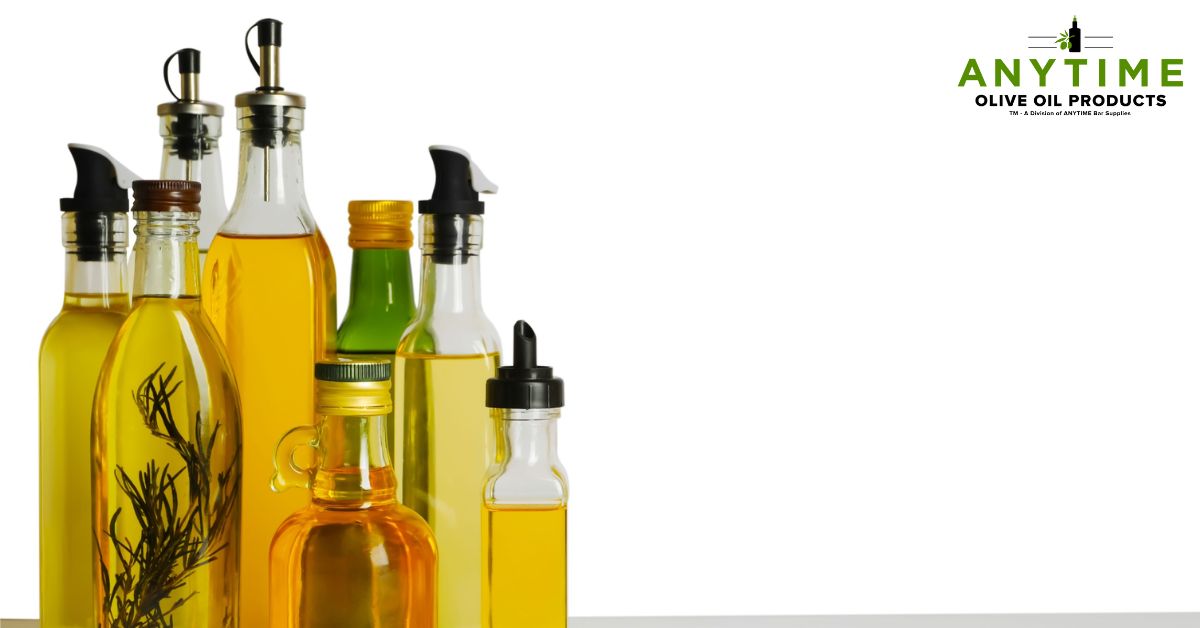

Discover our range of precision pour spouts, engineered to enhance your olive oil dispensing and preservation.

Tag Archive for: Olive Oil Pour Spouts

How to Choose the Perfect Olive Oil Pour Spout for Your Kitchen

If you love cooking at home, you know that a good bottle of olive oil is a kitchen essential. But have you ever considered how you pour your olive oil? The right olive oil pour spout not only makes cooking easier, but it also helps keep your oil fresh and your counters clean. Choosing the perfect spout for your kitchen can make a big difference in both convenience and flavor.

Why Use an Olive Oil Pour Spout?

An olive oil pour spout is more than just a lid. It controls the flow of oil, prevents spills, and protects the oil from air exposure that can lead to faster spoilage. Whether you drizzle olive oil over salads, add it to sauté pans, or finish a dish with a touch of flavor, the spout helps you pour the right amount every time.

Types of Olive Oil Pour Spouts

Not all pour spouts are created equal. Here are the most common types you’ll find:

  • Flip-top spouts – These have a small lid that closes automatically after pouring, keeping dust and air out.
  • Tapered metal spouts – Sleek and durable, they offer smooth, controlled pouring.
  • Silicone spouts – Flexible and easy to clean, often fitting a variety of bottle sizes.
  • Weighted pourers – Designed to open as you tilt the bottle, offering a hands-free experience.

What to Consider When Choosing a Pour Spout

When selecting the best spout for your kitchen, think about the following:

  1. Fit and size – Make sure the spout fits tightly in your olive oil bottle. Many are universal, but some are designed for specific bottles.
  2. Ease of cleaning – Olive oil can build up over time, so choose a spout that’s easy to remove and wash.
  3. Flow control – Do you prefer a thin drizzle for salads or a faster pour for cooking? Look for spouts with different flow rates.
  4. Material – Stainless steel is durable, silicone is versatile, and plastic is lightweight.
  5. Airtight seal – A good spout will protect your olive oil from oxidation, keeping it fresher longer.

person pouring oil into a fry pan - Olive Oil Pour Spouts wholesale olive oil pour spoutsBenefits of Using a Pour Spout in Your Home Kitchen

  • Cleaner counters and bottles
  • Consistent oil flow for recipes
  • Reduced waste from spills
  • Better preservation of olive oil flavor
  • More professional presentation when cooking or serving

A simple upgrade like an olive oil pour spout can transform your everyday cooking. It keeps your oil fresh, makes pouring effortless, and adds a touch of style to your kitchen setup. Whether you’re a casual home cook or a passionate foodie, investing in the right spout is worth it.

FAQs

1. Do olive oil pour spouts fit all bottles?

Most pour spouts are designed to fit standard olive oil bottles, but always check the size before purchasing.

2. How do I clean a pour spout?

Remove it from the bottle, rinse with warm soapy water, and let it dry completely before reusing.

3. Can I use a pour spout for other liquids?

Yes! Pour spouts also work well for vinegar, syrups, and even liquor bottles.

4. Will a pour spout help olive oil last longer?

Yes, especially if it has a cap or seal. It reduces air exposure, which slows down oxidation.

September’s Guide to Stylish and Functional Olive Oil Pour Spouts for Restaurants & Home Use

When it comes to storing and serving olive oil, presentation and functionality both matter. Whether you are running a busy restaurant or creating a cozy dining atmosphere at home, olive oil pour spouts make a big difference. They help with portion control, prevent messy spills, and elevate the overall look of your table or kitchen counter.

In this September guide, we’ll explore how to choose the best pour spouts for oil, highlight different styles available, and explain why they’re essential for both professional kitchens and home cooks.

Why Olive Oil Pour Spouts Are Essential

Olive oil is one of the most frequently used ingredients in cooking and serving. Without a spout, it’s easy to pour too much or end up with oil dripping down the bottle. Here’s why olive oil pour spouts are a smart investment:

  • Control & Precision – Achieve just the right drizzle without waste.
  • Clean Presentation – Keep bottles and counters free from oily residue.
  • Professional Look – Perfect for restaurant tables or open kitchens.
  • Freshness Protection – Many spouts come with caps to reduce air exposure.

Best Types of Olive Oil Pour Spouts

There are several types of pour spouts on the market. Choosing the right one depends on how you plan to use it—at home or in a commercial setting.

1. Stainless Steel Olive Oil Pour Spouts

Durable, rust-resistant, and sleek, stainless steel spouts are a favorite in restaurants. They withstand heavy use while keeping a polished look.

2. Plastic Pour Spouts

Lightweight and affordable, plastic spouts are great for casual home use. Many come with dust caps to keep the oil clean.

3. Flip-Top Olive Oil Spouts

Designed with a hinged cap, these spouts automatically close after pouring, making them hygienic and ideal for high-traffic environments like restaurants.

4. Tapered Metal Spouts

These classic bar-style spouts work well for both olive oil and vinegar. Their narrow opening ensures a smooth, consistent pour.

bowl of olives next to a pitcher of olive oil - Anytime Olive Oil Products oil pour spoutsChoosing the Right Pour Spout for Your Needs
  • For Restaurants: Look for durable stainless steel or flip-top designs to handle frequent use. Easy cleaning and a professional appearance are key.
  • For Home Use: A stylish glass bottle with a tapered or plastic spout can complement your kitchen décor while offering convenience.
  • For Outdoor Dining: Opt for spouts with caps to prevent dust, insects, or air from getting into your olive oil.

Care and Maintenance Tips

To get the most out of your olive oil pour spouts, regular cleaning is essential. Rinse with warm, soapy water weekly, especially in restaurant settings. For stainless steel models, a quick polish will keep them looking sharp.

Olive Oil Pour Spouts

Whether you’re a chef managing a bustling kitchen or a home cook who loves a neat, stylish setup, pour spouts are a simple yet powerful upgrade. They combine functionality with presentation, ensuring that every pour is smooth, precise, and mess-free.

Investing in the right spout means better control, less waste, and a more professional look—making it a must-have accessory this September.

FAQs

1. Can I use olive oil pour spouts on any bottle?

Most pour spouts are designed to fit standard olive oil bottles, but always check the size of the cork or stopper before purchasing.

2. Do pour spouts help preserve oil?

Yes. Many models include caps or seals that minimize air exposure, helping to keep your olive oil fresher for longer.

3. How often should I clean my pour spout?

For home use, once a week is enough. In restaurants, daily cleaning is recommended for hygiene and presentation.

4. Are stainless steel spouts better than plastic ones?

Stainless steel spouts are more durable and professional-looking, while plastic spouts are lightweight, affordable, and practical for casual use.

Elevate Your Cooking: The Unsung Hero of Your Kitchen – The Olive Oil Pour Spout

In the world of home cooking, we often focus on the big-ticket items: the stand mixer, the high-end knife set, the cast-iron skillet. We spend countless hours researching the perfect appliances, yet we overlook the simple, inexpensive tools that can make a monumental difference in our daily culinary endeavors. Among these “unsung heroes” is a humble, yet powerful, kitchen accessory: the olive oil pour spout.

For home cooks who value precision, flavor, and a clean countertop, an olive oil pour spout is a game-changer. It transforms a bulky, hard-to-handle bottle into a tool of grace and control, allowing you to drizzle, pour, and finish dishes with a professional’s touch.

Beyond the Drizzle: The Benefits of an Olive Oil Pour Spout

Why should you upgrade your kitchen with this simple gadget? The benefits go far beyond a clean pour.

  • Precision and Control: A good pour spout provides a smooth, steady stream of oil. No more glugging or splashing, which is vital for dressing salads or finishing dishes. It ensures a perfect balance of flavor without drowning your food.
  • Waste Reduction: An open bottle often causes you to use more oil than needed, which is wasteful and can make your food greasy. A spout helps you control the exact amount, saving you money and calories.
  • Preservation and Freshness: Air is the enemy of olive oil, causing it to oxidize and lose flavor. A proper pour spout seals the bottle better than a factory cap, protecting your oil and keeping it fresh longer.
  • Aesthetic and Convenience: A sleek spout on an olive oil bottle looks good on your counter. It’s a stylish, functional upgrade that makes accessing your oil quick and easy.

person pouring oil into a spoon over a salad - Anytime Olive Oil Products olive oil pour spoutsHow to Choose the Right Pour Spout

When shopping for an olive oil pour spout, consider the following:

  • Material: Look for high-quality stainless steel or food-grade rubber and plastic. These materials are durable, easy to clean, and won’t react with the oil.
  • Fit: Ensure the spout has a good seal to prevent leaks. Many spouts have a ribbed or conical rubber base that can fit a variety of bottle neck sizes.
  • Design: A spout with a hinged cap is a great feature, as it protects the oil from dust and debris while still providing easy access.

Simple Upgrade, Major Impact

Adding an olive oil pour spout to your collection of kitchen accessories is a simple, affordable upgrade that pays dividends in both flavor and convenience. It’s a small change that will have a big impact on your cooking, allowing you to master the art of the perfect drizzle and truly elevate your home cooking.

FAQ Section

Q: Do I need a special bottle for an olive oil pour spout?

A: No, most pour spouts are designed to fit standard olive oil bottles. They typically have a universal, tapered rubber stopper that creates a secure seal.

Q: Are olive oil pour spouts dishwasher safe?

A: Most stainless steel and rubber pour spouts are dishwasher safe, but it’s always best to check the manufacturer’s instructions. A quick rinse with hot, soapy water is usually sufficient.

Q: Can I use an olive oil pour spout for other liquids?

A: Yes! While they are ideal for olive oil, pour spouts can also be used for other cooking oils, vinegar, salad dressings, and even syrups.

Drip, Drizzle, Done: Mastering the Art of Pouring with an Olive Oil Pour Spout

Tired of messy pours and oil-slicked countertops? You’ve come to the right place. An olive oil pour spout is a simple tool that can revolutionize your cooking and make you feel like a professional chef. In this guide, we’ll dive into the world of olive oil pour spouts, showing you how to choose the right one, use it with precision, and keep it clean.

Using a pour spout for your olive oil offers a simple yet elegant solution to a common kitchen problem. Say goodbye to glugging bottles and hello to a smooth, controlled stream of oil for sautéing, dressing salads, or finishing a dish with a perfect drizzle.

The Anatomy of a Perfect Pour

An olive oil pour spout is more than just a piece of metal or plastic. The best ones are designed to create a tight seal, preventing oxidation, and often include a vented design for a consistent, smooth pour. This is crucial because oxygen can cause your olive oil to degrade in flavor over time. By using a pour spout with a secure fit, you’re not only making your life easier but also preserving the quality of your favorite olive oil.

Tips for Mastering the Drizzle

  1. Choose a Quality Spout: Look for spouts with a rubber or silicone stopper that creates a snug, leak-proof seal. Materials like stainless steel are durable and easy to clean.
  2. Practice Makes Perfect: Start with a slow and steady pour. You’ll quickly get a feel for how much pressure to apply to get the desired stream. For a fine drizzle, tilt the bottle gently. For a faster pour, tilt it more dramatically while keeping control.
  3. Keep it Clean: Regularly cleaning your pour spout is essential. Oil residue can build up, clog the spout, and go rancid. Most pour spouts are easily removable and can be washed with warm, soapy water. For a deeper clean, a soak in vinegar can help break down stubborn oil buildup.

bottles of olive lined up together - Anytime Olive Oil Pour SpoutsFAQ: Your Questions Answered

  • Q: Will an olive oil pour spout fit on any bottle?

    • A: Most pour spouts are designed to fit standard-sized olive oil bottles. However, bottle necks can vary, so it’s always a good idea to check for compatibility or choose a brand that offers a universal design with flexible rubber or silicone collars.
  • Q: Do pour spouts really help the olive oil last longer?

    • A: Yes, they do. By creating a tighter seal and limiting the oil’s exposure to air, a pour spout helps to slow the oxidation process that causes olive oil to go rancid. This means your oil will stay fresh and flavorful for a longer period.
  • Q: Can I use a pour spout for other liquids?

    • A: Absolutely! Pour spouts are versatile and can be used for a variety of liquids, including balsamic vinegar, soy sauce, and other cooking oils.

By following these simple steps, you can elevate your cooking experience and make every pour a perfect one. The right tools, like a quality olive oil pour spout, can make all the difference in the kitchen.

Why Use an Olive Oil Pour Spout?

Ever wondered how professional chefs achieve that perfect, controlled drizzle of olive oil? It’s not just skill—it’s often the result of a simple, yet essential, kitchen tool: the olive oil pour spout. If you’ve ever dealt with a messy, oversized bottle opening that leads to spills, waste, and a glug of oil instead of a gentle stream, you know the frustration. An olive oil pour spout is the simple, affordable solution that can transform your cooking experience. This article will explore the many benefits of using a pour spout and guide you through choosing the best one for your kitchen.

1. Precision and Control for Flawless Cooking

One of the most significant benefits of using an olive oil pour spout is the superior control it provides. The narrow opening of a spout allows for a slow, steady, and predictable flow of oil. This precision is crucial for:

  • Drizzling: Whether you’re finishing a salad, plating a dish, or adding a final touch to bruschetta, a pour spout lets you create a beautiful, even drizzle.
  • Sautéing and Frying: Instead of a sudden flood of oil, you can add just the right amount to your pan, ensuring even cooking and preventing your food from becoming greasy.
  • Portion Control: For those watching their intake of fats, a pour spout makes it easy to measure out a small, precise amount of oil, reducing waste and supporting a healthier lifestyle.

2. Say Goodbye to Mess and Waste

Let’s face it: pouring directly from a large, open bottle is a recipe for a mess. Drips, spills, and sticky countertops are a common consequence. A quality olive oil pour spout is designed to minimize or eliminate these issues. Many spouts feature a built-in drip catcher or a tapered design that directs every drop of oil exactly where you want it. This not only keeps your kitchen cleaner but also helps you save money by using every last drop of your expensive, high-quality olive oil.

3. Preserving the Freshness and Flavor of Your Oil

High-quality olive oil is a premium product, and its flavor and nutritional properties are sensitive to air and light. Prolonged exposure to oxygen causes the oil to oxidize, leading to a rancid taste and the degradation of its beneficial compounds. The right olive oil pour spout can act as a barrier. Many spouts offer an airtight seal, and some even come with a flip-top or weighted lid that automatically closes when the bottle is upright. This simple feature significantly reduces the oil’s contact with air and keeps contaminants like dust and bacteria out, preserving its freshness for longer.

olive oil pouring into a bowl - Anytime Olive Oil Products oil pour spouts4. An Instant Kitchen Upgrade

Beyond its practical benefits, an olive oil pour spout also elevates the aesthetic of your kitchen. Pouring oil with a sleek, well-designed spout just feels more professional and intentional. Many spouts are made from stylish materials like stainless steel or feature elegant designs that turn an ordinary bottle into a sophisticated kitchen tool. It’s a small, affordable upgrade that can make a big difference in your daily cooking routine.

5. Types of Olive Oil Pour Spouts to Consider

With so many options on the market, it’s helpful to know what to look for when choosing your olive oil pour spout.

  • Stainless Steel Pour Spouts: Durable, easy to clean, and a popular choice for their classic, sleek look.
  • Weighted Pour Spouts: These feature a small ball or flap that opens when you tilt the bottle and automatically closes when upright. They are excellent for keeping contaminants out and preserving freshness.
  • Flip-Top Pour Spouts: A hinged lid provides an easy-to-use, one-handed solution for protecting your oil from dust and air.
  • Silicone Pour Spouts: A flexible and heat-resistant option that is often colorful and easy to fit onto a variety of bottle necks.

When making your choice, consider the type of oil you’ll be using, the bottle it needs to fit, and the specific features that matter most to you, whether it’s precision, hygiene, or style.

A small investment in a high-quality olive oil pour spout is a smart choice for any home cook. It’s a tool that prevents messes, reduces waste, and helps maintain the integrity of your oil’s flavor and nutrients. By providing you with greater control and a more elegant pouring experience, an olive oil pour spout is a simple upgrade that delivers outsized benefits.

FAQ: Your Questions About Pour Spouts Answered

Q: Will an olive oil pour spout fit on any bottle?

A: Most pour spouts are designed to fit standard-sized olive oil and wine bottles. However, bottle necks can vary, so it’s always a good idea to check for compatibility or choose a brand that offers a universal design.

Q: How do I clean my pour spout?

A: Cleaning is typically easy! For most spouts, you can simply remove them and wash them with warm, soapy water. For a deeper clean, especially if it gets clogged, soaking it in vinegar can help break down oil residue.

Q: Do pour spouts really help the olive oil last longer?

A: Yes, they do. By creating a tighter seal and limiting the oil’s exposure to air, a pour spout helps to slow the oxidation process that causes olive oil to go rancid. This means your oil will stay fresh and flavorful for a longer period.

Q: Can I use a pour spout for other liquids?

A: Absolutely! Pour spouts are versatile tools and work great for other liquids like vinegar, salad dressings, syrups, and even spirits.

How to Use an Oil Spout for Precise Measurements in Cooking and Baking

Ever tipped a bottle of olive oil and ended up with way more than you intended? A simple tool—the oil spout—can change that forever. This small gadget attaches to your oil bottle and gives you complete control over how much you pour, whether you’re drizzling on a salad or measuring for a cake.

Cooking and baking are all about balance. A splash too much oil can make fried food greasy, ruin a cake’s texture, or overwhelm the flavor of a dish. Using an oil spout helps you pour just the right amount, cut down on waste, and keep your counters clean.

What Is an Oil Spout?

An oil spout is a small nozzle that fits snugly into an oil bottle’s neck. It narrows the opening so oil flows out in a steady, controlled stream.

There are a few main types:

  • Basic spouts – simple and affordable, perfect for everyday cooking oils.

  • Measured pour spouts – dispense set amounts (great for calorie-conscious cooks).

  • Flip-top spouts – keep the oil fresh and dust-free.

No matter the style, all oil spouts share the same goal: giving you precision when pouring.

person mixing baked items in a mixing bowl - Olive Oil Pour Spouts oil spoutWhy Use an Oil Spout?

The benefits go way beyond convenience:

  • Accurate measurements – Perfect for baking, where too much or too little oil can ruin a recipe.
  • Less mess – No greasy bottle rims or oil puddles on the counter.
  • Save money – Stop wasting expensive oils by over-pouring.

Think of it like a dimmer switch for your oil—you’re in control of every drop.

How to Set Up Your Oil Spout

Attaching an oil spout is simple, but doing it right matters:

  1. Clean the bottle neck – Wipe off any residue so the spout fits snugly.

  2. Insert the spout firmly – Twist slightly as you push it in for a tight seal.

  3. Test the pour – Tilt over a sink first to check for leaks or drips.

Once fitted, your spout should pour cleanly without wobbling or dripping down the sides.

How to Use an Oil Spout While Cooking and Baking

Here’s where the magic happens.

For cooking, you can drizzle oil neatly into a pan, coat veggies for roasting, or finish a dish with a delicate ribbon of olive oil—all without dirtying a spoon.

person mixing baked items in a mixing bowl - Olive Oil Pour Spouts oil spoutFor baking, you can pour oil directly into a measuring spoon without spills, or even pour straight into the mixing bowl with practice. (A slow two-second pour might equal about a teaspoon.)

With an oil spout, you’re not just guessing—you’re in control.

Cleaning and Maintaining Your Oil Spout

Oil can build up and turn sticky if you don’t clean the spout regularly. Luckily, it’s quick:

  • Rinse the spout under warm water after each refill.

  • Wash with a little dish soap if it feels greasy.

  • Deep clean weekly or whenever you notice buildup.

A clean spout not only looks better—it pours better and lasts longer.

This tool might be the best kitchen upgrade you never thought about. It saves oil, prevents messes, and helps you hit the exact measurements your recipes call for. Whether you’re drizzling truffle oil on a dish or measuring vegetable oil for brownies, this tiny tool makes a big difference.

Enhance Your Olive Oil Experience with a Stainless-Steel Pour Spout

If you love cooking or drizzling olive oil on everything from salads to sourdough, then you’ve probably faced the same issue many home chefs do: the messy, uncontrolled pour from a bulky olive oil bottle. It’s frustrating, isn’t it? That golden liquid gold deserves more respect. That’s where a stainless-steel pour spout comes into play — a small yet mighty upgrade that can totally transform your kitchen game.

Let’s break down how something so simple can enhance not just your olive oil experience but also your culinary precision and overall kitchen aesthetic.

The Olive Oil Dilemma: Why Bottle Necks Just Don’t Cut It

Ever tried to pour just a dash of olive oil only to end up with a puddle on your plate? Olive oil bottles, especially the large glass ones, aren’t designed for finesse. They’re functional but far from precise. The wide neck creates splashes, drips, and let’s not forget the sticky residue that coats the cap and runs down the bottle.

It’s a messy business — and unnecessary when there’s a sleek, affordable solution.

What Is a Stainless-Steel Pour Spout?

In simple terms, a stainless-steel pour spout is a small, tube-like nozzle that fits into the neck of your olive oil bottle. It often includes a flip-top or gravity lid to keep dust and air out, and most are designed to provide a controlled, steady flow.

Think of it as the difference between drinking water from a bucket versus a straw. One’s chaos; the other is elegance.

Why Stainless Steel? Isn’t Plastic Good Enough?

You may have seen plastic pour spouts at a lower price, and sure — they work… for a while. But here’s why stainless steel wins hands down:

  • Durability: Stainless steel doesn’t crack, warp, or degrade over time.

  • Non-reactive Material: It won’t alter the flavor of your olive oil like some plastics can.

  • Elegant Look: It adds a touch of sophistication to your countertop.

  • Easy to Clean: Stainless steel is dishwasher safe and resistant to oil buildup.

It’s like comparing disposable chopsticks to a finely carved wooden pair — functionally similar, but one offers a much better experience.

Controlled Pouring = Less Waste, More Flavor

Let’s be honest — olive oil isn’t cheap. Whether you’re using everyday blends or splurging on a cold-pressed extra virgin, wasting it is never ideal. A stainless-steel pour spout gives you precise control so you can:

  • Drizzle the perfect amount on bruschetta

  • Add just enough to coat your pan

  • Dress salads without drowning your greens

And the best part? No more over-pouring or trying to “catch” the excess with your hand or a paper towel. That control equals cost savings in the long run.

Keeps Your Oil Fresher for Longer

Oxidation is olive oil’s worst enemy. When exposed to air, light, and heat, its flavor breaks down and its health benefits diminish. A stainless-steel pour spout often includes a cap or sealing mechanism that:

  • Reduces air exposure

  • Blocks dust and debris

  • Helps maintain freshness

This is especially crucial if you store your olive oil in a clear bottle or near a stove. It’s like putting a cork back in a bottle of wine — it just makes sense.

person pouring oil into a fry pan - Olive Oil Pour Spouts stainless steel pour spoutPerfect for the Home Chef and Professional Kitchen Alike

If you cook daily, you know how small inconveniences add up. That heavy bottle with a sticky rim? It’s a time-waster. Stainless-steel pour spouts are used in commercial kitchens for good reason:

  • Speed up cooking with a one-handed pour

  • Improve accuracy when following recipes

  • Reduce mess during rush prep hours

Even if you’re just whipping up pasta at home, the same benefits apply. It turns a frustrating task into a satisfying, clean experience.

Say Goodbye to Greasy Bottles

Oil tends to get… everywhere. That sticky film on the bottle’s neck? That’s a combo of drips, exposure to air, and your own hands. A stainless-steel pour spout almost eliminates this.

Because it channels the oil cleanly from bottle to plate or pan, there’s virtually no residue to wipe away. No more hiding the bottle when guests come over!

Stylish and Sleek: Aesthetic Matters Too

We spend time picking pretty salt grinders and artisan vinegar bottles — why not upgrade the presentation of your olive oil, too?

A stainless-steel pour spout doesn’t just work better, it looks better. Clean lines, modern shine, and a professional vibe. Whether you keep your oil on the counter or dining table, it makes your kitchen feel just a bit more gourmet.

Universal Fit for Most Bottles

Worried about sizing? Most stainless-steel pour spouts come with a rubber or silicone base that snugly fits into almost any standard oil bottle. Whether it’s an imported Italian glass bottle or a grocery store brand, chances are — it fits like a glove.

Easy to Clean, Easy to Love

Cleaning is simple. Just remove the spout, rinse it with warm soapy water, and it’s good to go. Some models are even dishwasher-safe. The result? No lingering flavors or oil crusts, and your spout stays as clean as the day you bought it.

Tips for Choosing the Best Stainless-Steel Pour Spout

Ready to buy one? Here are a few tips to get the best bang for your buck:

  • Check the Seal: Look for a tight-fitting silicone base that won’t slip.

  • Go for a Cap: A flip-top or gravity lid is ideal to keep air and contaminants out.

  • Choose Quality: Cheap imitations rust or corrode — invest in food-grade stainless steel.

  • Read Reviews: Other users will often point out hidden flaws or unexpected perks.

Bonus Hack: Use It for More Than Just Olive Oil

Yes, we’re focusing on olive oil here — but don’t stop there. These pour spouts also work great for:

  • Balsamic vinegar

  • Vegetable and canola oil

  • Soy sauce

  • Syrups for coffee or cocktails

If it’s a liquid and it lives in your kitchen, chances are it could benefit from a stainless-steel pour spout.

Makes a Great Gift for Foodies

Shopping for someone who loves cooking? Pair a quality bottle of extra virgin olive oil with a sleek stainless-steel spout. It’s thoughtful, functional, and something they’ll use every day — not just another gadget to gather dust.

Upgrade Your Pour, Upgrade Your Life

At first glance, a stainless-steel pour spout might seem like a small upgrade. But once you use it, you’ll wonder how you ever lived without it. It saves time, reduces waste, enhances presentation, and keeps your oil fresh and your hands clean. That’s a lot of wins from a tiny little tool.

So go ahead — treat your olive oil (and yourself) to something better. Your kitchen routine deserves this kind of everyday luxury.

The Art of Dressing: Perfectly Drizzle Your Salads Using an Oil Pour Spout

Let’s face it — no one likes a soggy salad.

You prep those fresh greens, toss in some cherry tomatoes, maybe some crumbled feta and toasted nuts, and then? A giant, gloppy mess of dressing ruins everything. It’s frustrating, especially when all you wanted was a lightly dressed, Instagram-worthy salad that tastes as good as it looks.

The answer? The humble oil pour spout.

What’s an Oil Pour Spout Anyway?

You’ve probably seen one at your favorite Italian restaurant — that sleek metal tip on top of the olive oil bottle, drizzling golden perfection over fresh bruschetta. That’s the oil pour spout. It’s a tiny upgrade with a major payoff.

These spouts are designed to regulate flow, giving you control over how much oil (or vinegar) comes out. Whether you’re aiming for a light drizzle or a steady stream, it makes the job clean, elegant, and precise.

Why Every Home Cook Should Use One

No More Overdressing

You know the drill — tip the bottle, and suddenly half your dressing is drowning your salad. Oil pour spouts give you control. You drizzle, not dump.

Cleaner Counters

Say goodbye to oily rings on your countertop or sticky bottle necks. These spouts minimize drips and mess.

Preserves Oil Quality

Some spouts come with built-in caps that protect your oil from light and air — which means longer shelf life and better flavor.

person pouring oil over tomatoes and lettuce - Anytime Olive Oil Products oil pour spoutThe Art of the Drizzle

Think of dressing your salad like painting a canvas. It’s not about pouring — it’s about layering flavor with intention.

Step 1: Start With the Right Oil

Extra virgin olive oil is the gold standard. It’s rich, flavorful, and loaded with heart-healthy fats. But don’t sleep on avocado oil, walnut oil, or even sesame oil for that nutty kick.

Step 2: Use a Quality Pour Spout

Go for a stainless-steel spout with a rubber stopper — it fits snugly and won’t rust. Bonus points if it has a dust cap.

Step 3: Technique Matters

Hold the bottle about 6 inches above your salad. Tilt gently and move your hand in a circular motion as you pour. This helps distribute the oil evenly across the surface.

Less is more. You can always add more later, but once it’s soaked in, there’s no going back.

Pairing Oils and Greens Like a Pro

Every salad base has a personality. And the oil you use should match its vibe.

  • Delicate Greens (butter lettuce, baby spinach): Light olive oil or grape seed oil.

  • Hearty Greens (kale, arugula): Robust EVOO or walnut oil.

  • Exotic Mixes (Asian slaw, seaweed salad): Toasted sesame or chili oil for punch.

Match the intensity. Don’t let the oil overpower — or disappear.

Dress It Like You Mean It

Tip 1: Oil First, Then Acid

Most classic vinaigrettes call for 3 parts oil to 1 part acid. But when using a pour spout, you can layer them directly on the salad. First the oil (to coat the leaves), then the vinegar (to punch through).

Tip 2: Add a Touch of Sweet

A drizzle of honey or maple syrup helps round out the sharpness of vinegar and makes everything sing.

Tip 3: Don’t Forget Salt

Oil alone can taste flat. A pinch of flaky sea salt right before serving elevates the whole dish.

Creative Ways to Use a Pour Spout Beyond Salads

Don’t stop at greens. Oil pour spouts are game-changers across the kitchen.

Cooking

  • Add oil to your frying pan with finesse — no puddles.

  • Perfect for sautéing veggies without drowning them.

  • Evenly coat roasting pans.

Baking

  • Use mild oils like almond or canola to grease pans lightly.

  • Add precise amounts to batter or dough without overdoing it.

Making Your Own Custom Dressings

Take your drizzle game up a notch by creating your own dressings — right in the oil bottle.

Try This Simple Infusion

  • Add a few sprigs of rosemary, a garlic clove, and some chili flakes to your oil bottle.

  • Let it sit for a week.

  • Boom — homemade infused oil with restaurant-quality flavor.

Use a pour spout on that bottle, and you’ve got flavor magic at your fingertips.

Choosing the Right Oil Pour Spout

Not all pour spouts are created equal. Here’s what to look for:

Material

Go for stainless steel or food-grade plastic. Avoid low-quality metal that can rust.

Fit

Make sure it fits snugly into your oil bottle’s neck. A wobbly spout defeats the purpose.

Cap or Cover

Look for one with a flip-top or dust cover — it keeps bugs and dust out and preserves freshness.

Flow Control

Some spouts even come with adjustable flow control. Great if you use your bottle for different viscosities like thick dressings or syrups.

bowl with a vegetable salad and a wooden spoon - Anytime Olive Oil Products oil pour spoutMaintenance Matters

Even the best pour spout won’t last if you don’t clean it.

How to Clean It Properly

  • Soak in warm, soapy water once a week.

  • Use a small brush or pipe cleaner to scrub the inside.

  • Let it air dry completely before reinserting into the bottle.

Don’t forget — leftover oil can go rancid inside the spout.

Storage Tips to Maximize Flavor

Once you’ve got that drizzle game down, protect your oil.

  • Store bottles in a cool, dark place. Light and heat are oil’s enemies.

  • Use darker glass bottles. Clear bottles look nice, but they let in more light.

  • Label infused oils. Keep track of when you made them, and use within 1-2 months.

Make It Aesthetic

Let’s not lie — part of the fun is making your kitchen look like a Food Network set.

Get matching bottles with sleek pour spouts. Add handwritten labels like “Chili EVOO” or “Lemon Zest Vinegar.” Organize them on a wooden tray near your stove. It’s practical, and it adds a chef’s vibe to your space.

Take Your Salads from Sad to Show-Stopping

At the end of the day, the art of dressing isn’t just about flavor — it’s about care. Using an oil pour spout is a small change that makes a big difference. It gives you control, consistency, and that finishing touch that turns ordinary into exceptional.

So next time you’re about to dump dressing straight from the bottle, stop yourself. Grab that pour spout, take a moment, and drizzle like you mean it.

Your salads — and your guests — will thank you.

How to Clean and Maintain Your Stainless-Steel Olive Oil Pour Spout

Stainless-steel olive oil pour spouts are one of those little kitchen gadgets that make your life easier—until they’re clogged, sticky, or just plain gross. Let’s be honest: how often do you actually think about cleaning them? Probably not enough. But trust me, taking care of your pour spout is just as important as maintaining your oil quality. This guide will walk you through everything you need to know—without the fluff—so you can keep your olive oil tasting fresh and your pour spout performing like a champ.

Why Cleaning Your Pour Spout Actually Matters

If you’ve ever noticed your olive oil tasting a bit… off, your pour spout might be to blame. Residual oil oxidizes, clogs up, and becomes a breeding ground for bacteria if not cleaned regularly. That rancid smell? It’s not your imagination—it’s stale oil trapped in the spout. Clean spout = clean pour = fresh oil.

How Often Should You Clean It?

Here’s the thing—clean it more than you think you should. Ideally, give it a quick rinse once a week if you use it daily, and a deep clean once a month. If you don’t use it often, at least clean it every couple of weeks to avoid buildup.

What You’ll Need for Cleaning

You don’t need fancy gadgets. Here’s a basic list:

  • Warm water

  • Mild dish soap

  • A small brush (like a straw brush or an old toothbrush)

  • White vinegar

  • Baking soda (optional for deep cleaning)

  • Paper towels or a clean cloth

Step-by-Step: Quick Clean Routine

Let’s start with the quick clean—the kind of maintenance you can do in five minutes flat.

1. Remove the Spout From the Bottle

This sounds obvious, but you’d be surprised how many people try to clean it while it’s still attached. Don’t.

2. Rinse Under Warm Running Water

Run warm water through the spout to flush out any excess oil. It’s okay if it doesn’t all come out at first—that’s what the brush is for.

3. Soak in Soapy Water

Fill a small bowl with warm water and add a drop or two of dish soap. Let the spout soak for about 10–15 minutes.

4. Scrub the Inside

Use a straw brush or old toothbrush to scrub inside the spout. This gets rid of any gunk stuck in tight spots.

5. Rinse and Dry

Give it another rinse with warm water. Shake out any excess water, then dry it completely with a paper towel or clean cloth.

sink of soapy water - Anytime Olive Oil Products stainless steel olive oil pour spoutDeep Cleaning for Hardcore Build-Up

If you’ve been slacking (hey, no judgment), your spout may need a little extra TLC.

1. Vinegar Bath

Soak the spout in white vinegar for about 30 minutes. This helps dissolve stubborn oil and sanitizes the metal.

2. Baking Soda Scrub

For stuck-on grime, sprinkle baking soda directly on your brush and scrub the inside. The combination of vinegar and baking soda gives you a gentle, effective deep clean.

3. Rinse Thoroughly

Make sure there’s no soap, vinegar, or baking soda left inside—nobody wants their salad to taste like a science experiment.

4. Dry Completely

This is important. Stainless steel can still rust if left damp. Always make sure the spout is fully dry before reusing or storing it.

How to Keep It Clean Longer

Once your pour spout is squeaky clean, you probably want to keep it that way. Here’s how:

Store Your Olive Oil in a Cool, Dark Place

Heat and light speed up oxidation, making your oil go bad faster—and that affects the spout too.

Use a Drip-Free Design

Some stainless-steel spouts come with a built-in flap or valve to reduce dripping. Less mess = less cleanup.

Wipe After Each Use

A quick wipe around the exterior after pouring can prevent buildup around the nozzle. It’s a tiny habit that pays off big time.

Common Mistakes to Avoid

Let’s go over a few things you shouldn’t do:

Don’t Use Harsh Chemicals

Bleach or abrasive cleaners might damage the stainless steel or leave behind residues that affect flavor.

Don’t Forget to Clean the Cap or Flap

If your spout has a cover, it gets just as dirty—don’t ignore it.

Don’t Leave It Wet

As mentioned before, water sitting in the spout can cause rust and compromise hygiene.

Signs It’s Time to Replace the Spout

Not all pour spouts are built to last forever. Look out for:

  • Rust or discoloration

  • A funky smell that won’t go away even after cleaning

  • Cracked rubber seals or loose fit

  • Difficulty pouring or dripping excessively

If you notice any of these, it might be time for an upgrade.

Choosing a Quality Stainless-Steel Pour Spout

If you’re in the market for a new one, here’s what to look for:

Food-Grade Stainless Steel

This ensures it won’t corrode or leach anything weird into your oil.

Secure Fit

Look for one that fits snugly in the bottle. Some come with adjustable rubber gaskets.

Flip Cap or Tapered Design

A flip cap keeps dust and bugs out, while a tapered spout gives you more control when pouring.

person pouring oil over tomatoes and lettuce - Anytime Olive Oil Products stainless steel olive oil pour spoutWhy Stainless Steel Is the Way to Go

Compared to plastic or cork spouts, stainless steel is more durable, easier to sanitize, and doesn’t absorb odors. It also adds a sleek, modern touch to your kitchen setup.

DIY Natural Cleaning Solutions (If You Prefer Green Cleaning)

Want to avoid commercial dish soaps? Mix equal parts lemon juice and vinegar for a natural degreaser. It won’t foam like soap, but it gets the job done and smells amazing.

Stainless-Steel Olive Oil Pour Spout Maintenance

Keeping your stainless-steel olive oil pour spout clean isn’t just about appearances—it’s about preserving the flavor and quality of your oil, avoiding contamination, and making your cooking experience smoother. A little routine maintenance goes a long way, and trust me, your taste buds (and guests) will thank you.

You use olive oil in your cooking because it’s healthy and flavorful—don’t let a dirty spout ruin that. Show it a little love, and it’ll pour beautifully for years to come.

Oil Spout vs Pouring Straight from the Bottle: Which is Better for Your Cooking?

When you’re deep in the rhythm of cooking, the last thing you want is to drench your pan—or worse, your food—in too much oil. Sound familiar? Whether you’re sautéing, drizzling, or deep-frying, how you pour your oil can seriously impact flavor, texture, and even your health. Enter the age-old kitchen debate: oil spout vs pouring straight from the bottle.

Let’s dive deep into the pros, cons, and surprising truths behind these two oil-handling methods. You might just rethink how you approach your bottle of olive oil.

Why This Tiny Kitchen Decision Actually Matters

You might think it’s just oil—what’s the big deal, right? But this little decision affects:

  • The amount of oil you use

  • Your cooking precision

  • The cleanliness of your kitchen

  • And yes, your health and wallet

Small hinges swing big doors, and the way you pour oil is one of those sneaky little habits that could be doing more harm (or good) than you think.

person pouring oil into a cooking wok - Anytime Olive Oil Products oil spoutThe Case for Pouring Straight from the Bottle

It’s Convenient and Fast

Let’s be honest—when you’re in a hurry, who has time to fiddle with attachments? Unscrewing a cap and tipping the bottle is the quickest route from A to B.

Fewer Accessories to Clean

No oil spout means one less item to wash (and potentially lose in your drawer of miscellaneous kitchen tools).

You Control the Tilt (But Barely)

With a bit of practice, you might master the “slow pour.” But even seasoned cooks often overdo it. That glug-glug of too much olive oil? Not ideal.

But Here’s Where It Falls Short

Zero Precision

It’s tough to drizzle a delicate line of oil over a salad or gently coat a pan. Most times, it’s a guessing game. A heavy hand can lead to over-oiling—especially problematic when calorie-counting or budgeting high-quality oils.

Mess, Mess, Mess

Ever noticed oil dripping down the side of the bottle? That’s no accident. The lip of most bottles isn’t designed for slow or precise pouring. Result? Oily hands, sticky cabinets, and messy countertops.

Inconsistent Cooking

Pour too much into a pan and you might drown your food, creating soggy textures or overpowering the dish with oil flavor.

Why Oil Spouts Are Gaining Popularity in Home Kitchens

Better Portion Control

A well-designed spout helps you control the flow—whether you want a light drizzle or a steady stream. This means you use only as much as you need. No more, no less.

Cleaner and More Hygienic

Oil spouts reduce drips and spills. Plus, many spouts have built-in caps that protect the oil from dust, light, and air—keeping it fresher longer.

Improved Flavor Control

Using less oil means your food’s flavors shine through. With a spout, you can add oil gradually during cooking, layering taste instead of overpowering it.

Types of Oil Spouts: Not All Created Equal

Basic Flip-Top Spouts

Affordable and simple. These are great for everyday use but may lack airtight seals.

Weighted Self-Closing Spouts

A smart, hands-free option. They close automatically, keeping your oil fresh and your counters clean.

Precision Drizzle Spouts

Designed for plating and finishing. Think high-end chefs doing that final olive oil swirl on a burrata salad.

What About Health?

Controlling Calories and Fat Intake

Even healthy oils are calorie-dense. A tablespoon of olive oil contains about 120 calories. Without a spout, it’s easy to pour double that—and not even notice.

Spouts act like speed bumps, slowing you down just enough to be more mindful. Over time, that’s a small change with big health returns.

Avoiding Cross-Contamination

Handling bottles with greasy or raw-food-covered hands increases the risk of cross-contamination. A spout can help limit how often you touch the bottle itself.

The Financial Perspective

Wasting Less = Spending Less

Premium oils—like cold-pressed extra virgin olive oil or avocado oil—aren’t cheap. Over-pouring adds up. A spout helps stretch your supply and your budget.

Aesthetic and Organization Bonus

Let’s not ignore the vibe: Oil bottles with sleek spouts just look better. They offer a professional, organized feel to your kitchen, especially when stored in a countertop caddy.

When It’s Okay to Skip the Spout

There are moments when the straight-from-the-bottle method works just fine, like:

  • Deep frying, where you need large amounts quickly

  • Greasing pans for baking, when precision isn’t critical

  • Adding oil to large batches of dough or marinade

Still, even in these cases, pouring carefully—and maybe using a measuring spoon—is your best bet.

person pouring oil into a fry pan - Olive Oil Pour Spouts oil spoutWhat the Pros Use

Peek into any professional kitchen, and you’ll see chefs using squeeze bottles, spouts, or even misters. Why? Because precision, speed, and cleanliness matter when you’re pumping out dozens of dishes a night.

If the pros aren’t free-pouring, should you be?

Sustainability Angle: Less Waste, Less Packaging

Using less oil doesn’t just save money—it’s also eco-friendly. Fewer purchases mean fewer bottles in landfills and reduced production demand. That’s a win for your wallet and the planet.

Which One’s Right for You?

So, oil spout or straight pour? It all comes down to:

  • Your cooking style

  • Your goals (health, convenience, aesthetics)

  • Your tolerance for cleanup

If you’re serious about cooking, want better control, and prefer a tidier kitchen, an oil spout is absolutely worth the tiny investment. It transforms a common ingredient into something you can wield with finesse.

But if you’re a minimalist, cooking in bulk, or simply don’t mind a few extra splashes here and there? Then maybe the bottle alone will do.

Whatever you choose, just promise one thing: no more waterfall pours onto your frying pan.