
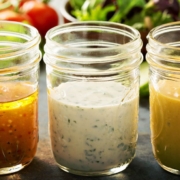
The Art of Dressing: Perfectly Drizzle Your Salads Using an Oil Pour Spout
Let’s face it — no one likes a soggy salad.
You prep those fresh greens, toss in some cherry tomatoes, maybe some crumbled feta and toasted nuts, and then? A giant, gloppy mess of dressing ruins everything. It’s frustrating, especially when all you wanted was a lightly dressed, Instagram-worthy salad that tastes as good as it looks.
The answer? The humble oil pour spout.
What’s an Oil Pour Spout Anyway?
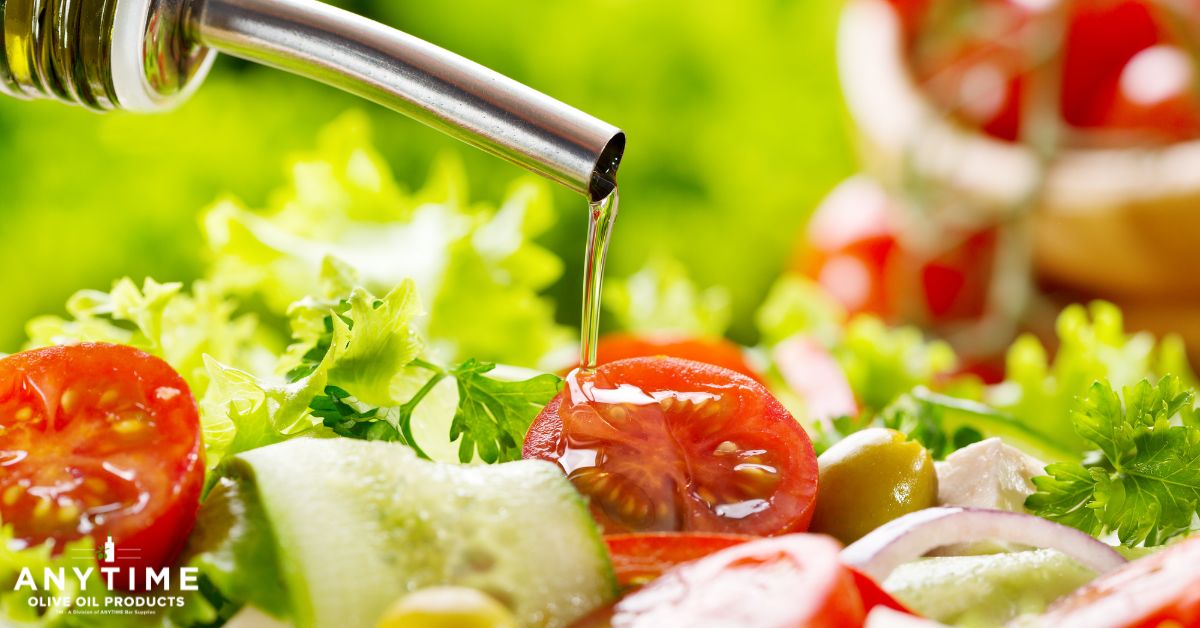
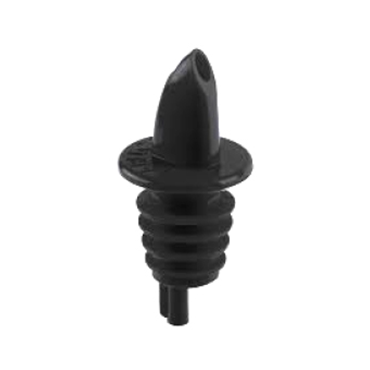
You’ve probably seen one at your favorite Italian restaurant — that sleek metal tip on top of the olive oil bottle, drizzling golden perfection over fresh bruschetta. That’s the oil pour spout. It’s a tiny upgrade with a major payoff.
These spouts are designed to regulate flow, giving you control over how much oil (or vinegar) comes out. Whether you’re aiming for a light drizzle or a steady stream, it makes the job clean, elegant, and precise.
Why Every Home Cook Should Use One
No More Overdressing
You know the drill — tip the bottle, and suddenly half your dressing is drowning your salad. Oil pour spouts give you control. You drizzle, not dump.
Cleaner Counters
Say goodbye to oily rings on your countertop or sticky bottle necks. These spouts minimize drips and mess.
Preserves Oil Quality
Some spouts come with built-in caps that protect your oil from light and air — which means longer shelf life and better flavor.
 The Art of the Drizzle
Think of dressing your salad like painting a canvas. It’s not about pouring — it’s about layering flavor with intention.
Step 1: Start With the Right Oil
Extra virgin olive oil is the gold standard. It’s rich, flavorful, and loaded with heart-healthy fats. But don’t sleep on avocado oil, walnut oil, or even sesame oil for that nutty kick.
Step 2: Use a Quality Pour Spout
Go for a stainless-steel spout with a rubber stopper — it fits snugly and won’t rust. Bonus points if it has a dust cap.
Step 3: Technique Matters
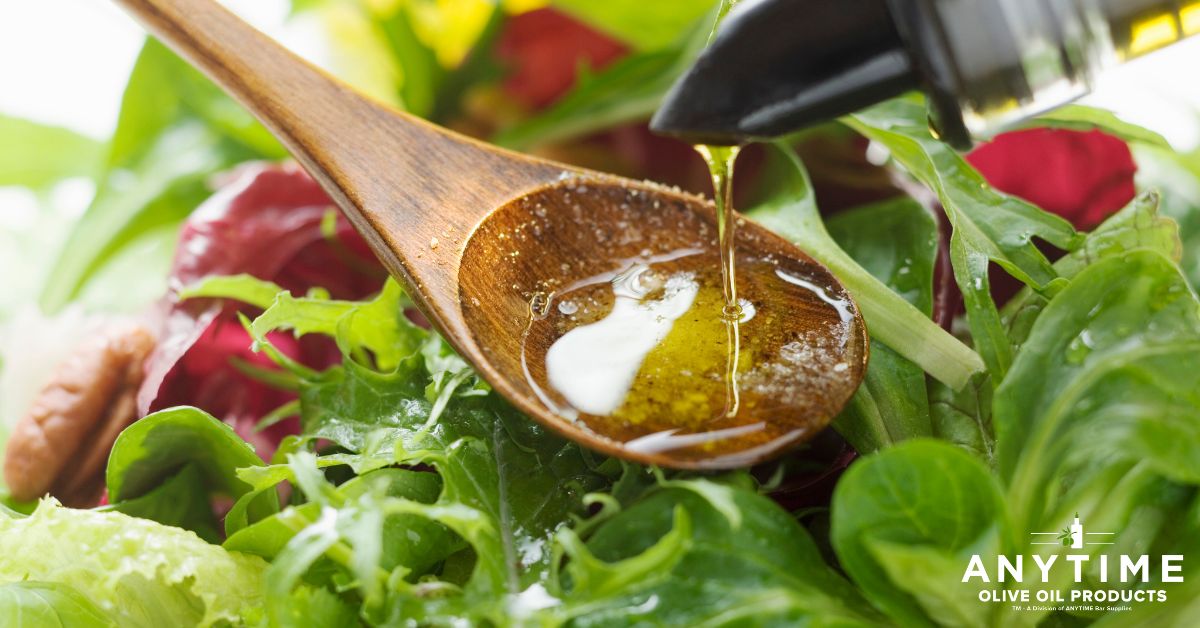
Hold the bottle about 6 inches above your salad. Tilt gently and move your hand in a circular motion as you pour. This helps distribute the oil evenly across the surface.
Less is more. You can always add more later, but once it’s soaked in, there’s no going back.
Pairing Oils and Greens Like a Pro
Every salad base has a personality. And the oil you use should match its vibe.
-
Delicate Greens (butter lettuce, baby spinach): Light olive oil or grape seed oil.
-
Hearty Greens (kale, arugula): Robust EVOO or walnut oil.
-
Exotic Mixes (Asian slaw, seaweed salad): Toasted sesame or chili oil for punch.
Match the intensity. Don’t let the oil overpower — or disappear.
Dress It Like You Mean It
Tip 1: Oil First, Then Acid
Most classic vinaigrettes call for 3 parts oil to 1 part acid. But when using a pour spout, you can layer them directly on the salad. First the oil (to coat the leaves), then the vinegar (to punch through).
Tip 2: Add a Touch of Sweet
A drizzle of honey or maple syrup helps round out the sharpness of vinegar and makes everything sing.
Tip 3: Don’t Forget Salt
Oil alone can taste flat. A pinch of flaky sea salt right before serving elevates the whole dish.
Creative Ways to Use a Pour Spout Beyond Salads
Don’t stop at greens. Oil pour spouts are game-changers across the kitchen.
Cooking
-
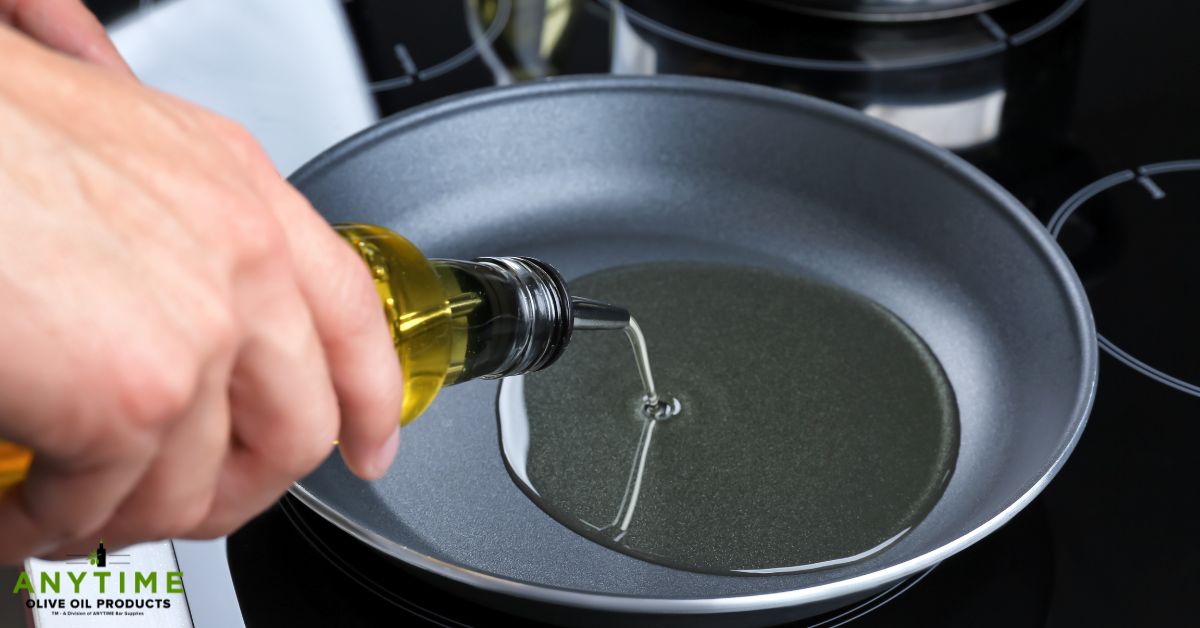
Add oil to your frying pan with finesse — no puddles.
-
Perfect for sautéing veggies without drowning them.
-
Evenly coat roasting pans.
Baking
-
Use mild oils like almond or canola to grease pans lightly.
-
Add precise amounts to batter or dough without overdoing it.
Making Your Own Custom Dressings
Take your drizzle game up a notch by creating your own dressings — right in the oil bottle.
Try This Simple Infusion
-
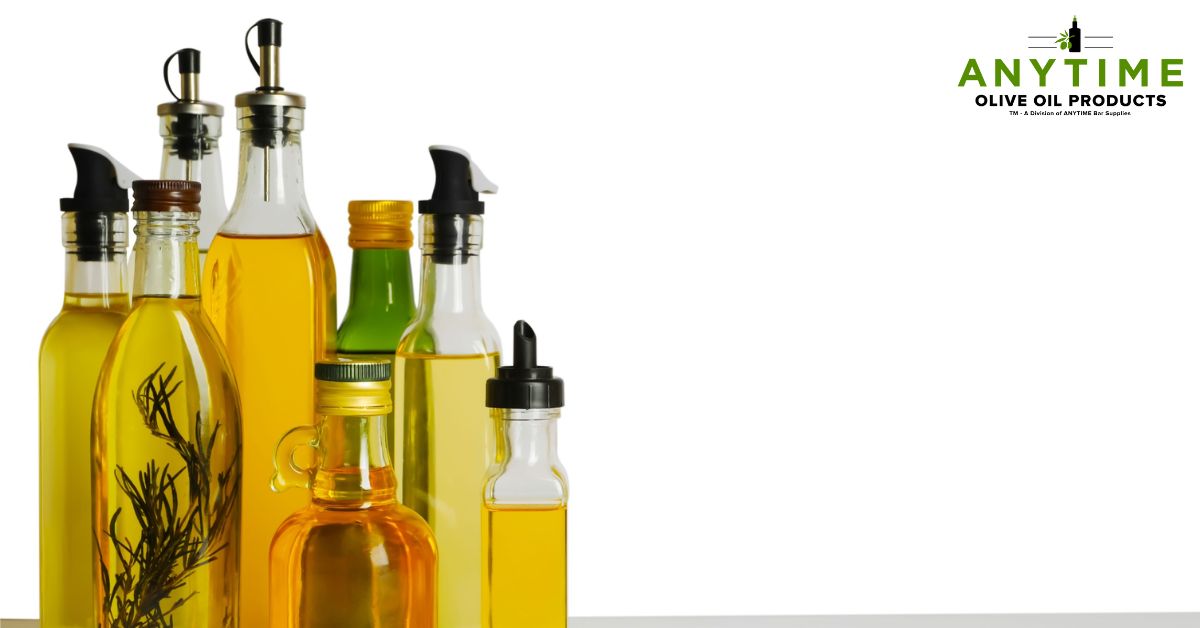
Add a few sprigs of rosemary, a garlic clove, and some chili flakes to your oil bottle.
-
Let it sit for a week.
-
Boom — homemade infused oil with restaurant-quality flavor.
Use a pour spout on that bottle, and you’ve got flavor magic at your fingertips.
Choosing the Right Oil Pour Spout
Not all pour spouts are created equal. Here’s what to look for:
Material
Go for stainless steel or food-grade plastic. Avoid low-quality metal that can rust.
Fit
Make sure it fits snugly into your oil bottle’s neck. A wobbly spout defeats the purpose.
Cap or Cover
Look for one with a flip-top or dust cover — it keeps bugs and dust out and preserves freshness.
Flow Control
Some spouts even come with adjustable flow control. Great if you use your bottle for different viscosities like thick dressings or syrups.
 Maintenance Matters
Even the best pour spout won’t last if you don’t clean it.
How to Clean It Properly
-
Soak in warm, soapy water once a week.
-
Use a small brush or pipe cleaner to scrub the inside.
-
Let it air dry completely before reinserting into the bottle.
Don’t forget — leftover oil can go rancid inside the spout.
Storage Tips to Maximize Flavor
Once you’ve got that drizzle game down, protect your oil.
-
Store bottles in a cool, dark place. Light and heat are oil’s enemies.
-
Use darker glass bottles. Clear bottles look nice, but they let in more light.
-
Label infused oils. Keep track of when you made them, and use within 1-2 months.
Make It Aesthetic
Let’s not lie — part of the fun is making your kitchen look like a Food Network set.
Get matching bottles with sleek pour spouts. Add handwritten labels like “Chili EVOO” or “Lemon Zest Vinegar.” Organize them on a wooden tray near your stove. It’s practical, and it adds a chef’s vibe to your space.
Take Your Salads from Sad to Show-Stopping
At the end of the day, the art of dressing isn’t just about flavor — it’s about care. Using an oil pour spout is a small change that makes a big difference. It gives you control, consistency, and that finishing touch that turns ordinary into exceptional.
So next time you’re about to dump dressing straight from the bottle, stop yourself. Grab that pour spout, take a moment, and drizzle like you mean it.
Your salads — and your guests — will thank you.

 The Case for Pouring Straight from the Bottle
 What the Pros Use


 Mixing the Two: Is It Smart to Use Both?

 Where to Buy Quality Oil Pour Spouts
 5. Drip Irrigation for Small Garden Beds
 14. Reusing Oil Spouts for Other Kitchen Staples
 Better Organization and Workflow
 Leverage Seasonal Sales and Discounts
 Cross-Selling Opportunities
 Better Hygiene and Safety in the Kitchen
 Maintenance Tips to Extend the Life of Your Spouts
 –
–