

How to Use an Oil Spout for Precise Measurements in Cooking and Baking
Ever tipped a bottle of olive oil and ended up with way more than you intended? A simple tool—the oil spout—can change that forever. This small gadget attaches to your oil bottle and gives you complete control over how much you pour, whether you’re drizzling on a salad or measuring for a cake.
Cooking and baking are all about balance. A splash too much oil can make fried food greasy, ruin a cake’s texture, or overwhelm the flavor of a dish. Using an oil spout helps you pour just the right amount, cut down on waste, and keep your counters clean.
What Is an Oil Spout?
An oil spout is a small nozzle that fits snugly into an oil bottle’s neck. It narrows the opening so oil flows out in a steady, controlled stream.
There are a few main types:
-
Basic spouts – simple and affordable, perfect for everyday cooking oils.
-
Measured pour spouts – dispense set amounts (great for calorie-conscious cooks).
-
Flip-top spouts – keep the oil fresh and dust-free.
No matter the style, all oil spouts share the same goal: giving you precision when pouring.
 Why Use an Oil Spout?
 Why Use an Oil Spout?
The benefits go way beyond convenience:
- Accurate measurements – Perfect for baking, where too much or too little oil can ruin a recipe.
- Less mess – No greasy bottle rims or oil puddles on the counter.
- Save money – Stop wasting expensive oils by over-pouring.
Think of it like a dimmer switch for your oil—you’re in control of every drop.
How to Set Up Your Oil Spout
Attaching an oil spout is simple, but doing it right matters:
-
Clean the bottle neck – Wipe off any residue so the spout fits snugly.
-
Insert the spout firmly – Twist slightly as you push it in for a tight seal.
-
Test the pour – Tilt over a sink first to check for leaks or drips.
Once fitted, your spout should pour cleanly without wobbling or dripping down the sides.
How to Use an Oil Spout While Cooking and Baking
Here’s where the magic happens.
For cooking, you can drizzle oil neatly into a pan, coat veggies for roasting, or finish a dish with a delicate ribbon of olive oil—all without dirtying a spoon.
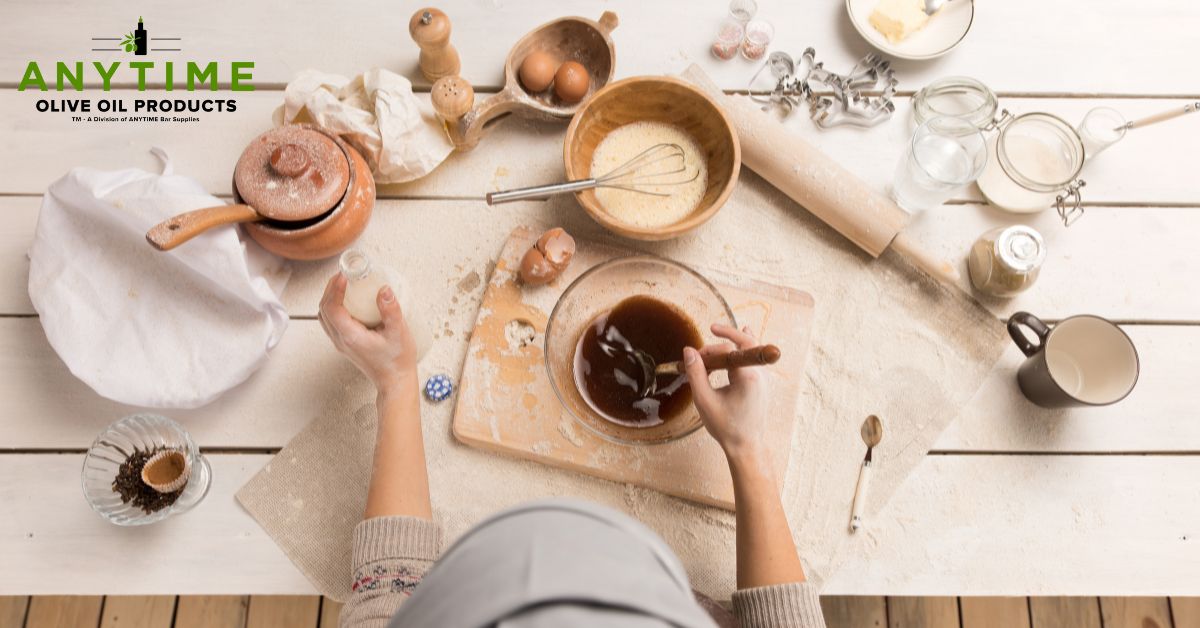 For baking, you can pour oil directly into a measuring spoon without spills, or even pour straight into the mixing bowl with practice. (A slow two-second pour might equal about a teaspoon.)
With an oil spout, you’re not just guessing—you’re in control.
Cleaning and Maintaining Your Oil Spout
Oil can build up and turn sticky if you don’t clean the spout regularly. Luckily, it’s quick:
-
Rinse the spout under warm water after each refill.
-
Wash with a little dish soap if it feels greasy.
-
Deep clean weekly or whenever you notice buildup.
A clean spout not only looks better—it pours better and lasts longer.
This tool might be the best kitchen upgrade you never thought about. It saves oil, prevents messes, and helps you hit the exact measurements your recipes call for. Whether you’re drizzling truffle oil on a dish or measuring vegetable oil for brownies, this tiny tool makes a big difference.


 –
–