
Pouring Perfectly: The Great Olive Oil Showdown – Stainless Steel vs. Aluminum Spouts
Pouring Perfectly: The Great Olive Oil Showdown – Stainless Steel vs. Aluminum Spouts
When it comes to olive oil, the right pour spout can make all the difference. Imagine drizzling that rich, golden liquid over a fresh salad or a warm piece of bread. But, have you ever thought about what your pour spout is made of? Let’s dive into the showdown between stainless steel and aluminum pour spouts for olive oil.
Keep in mind that if you are pouring alcohol, wine, syrups and more, stainless steel is also the best way to go for your pour spouts. Aluminum and chrome spouts will rust and corrode over time.
Why Does the Material Matter?
Choosing the right material for your olive oil pour spout isn’t just about looks. It affects the taste, quality, and longevity of your oil. Olive oil is delicate; it can be influenced by its environment. So, how do stainless steel and aluminum measure up?
Stainless Steel: The Resilient Champion
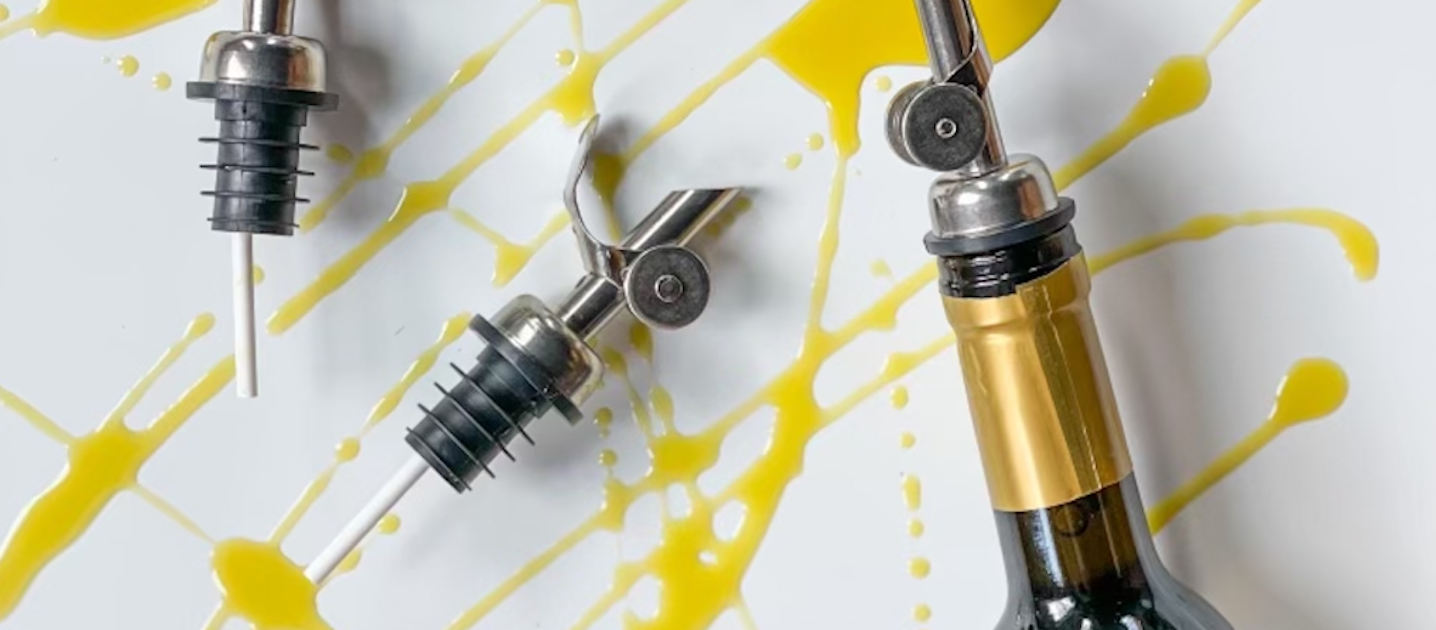
Stainless steel is like the superhero of kitchen gear. It’s tough, resistant to rust, and won’t react with the oil. This means you can enjoy the pure, true flavor of your olive oil without any metallic aftertaste. Plus, stainless steel is easy to clean. A quick rinse, and you’re good to go! Check out our line of stainless steel pour spouts for olive oils & vinegars HERE
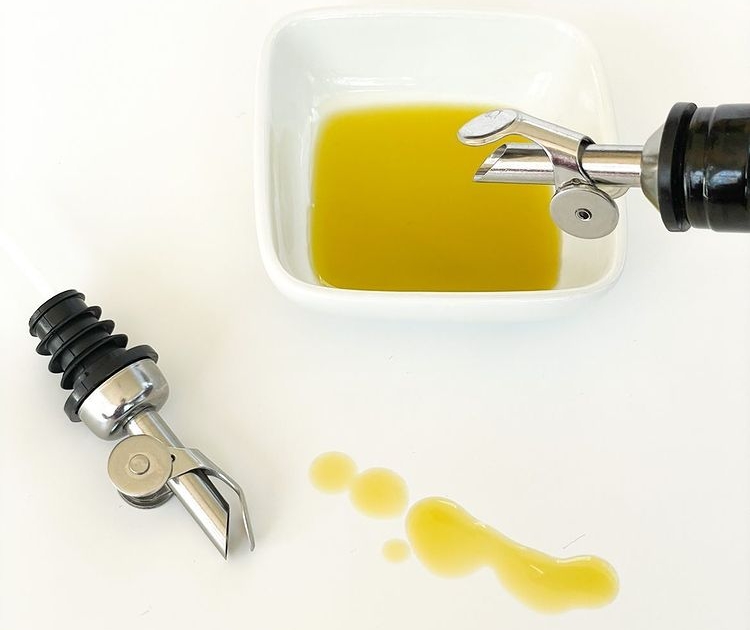
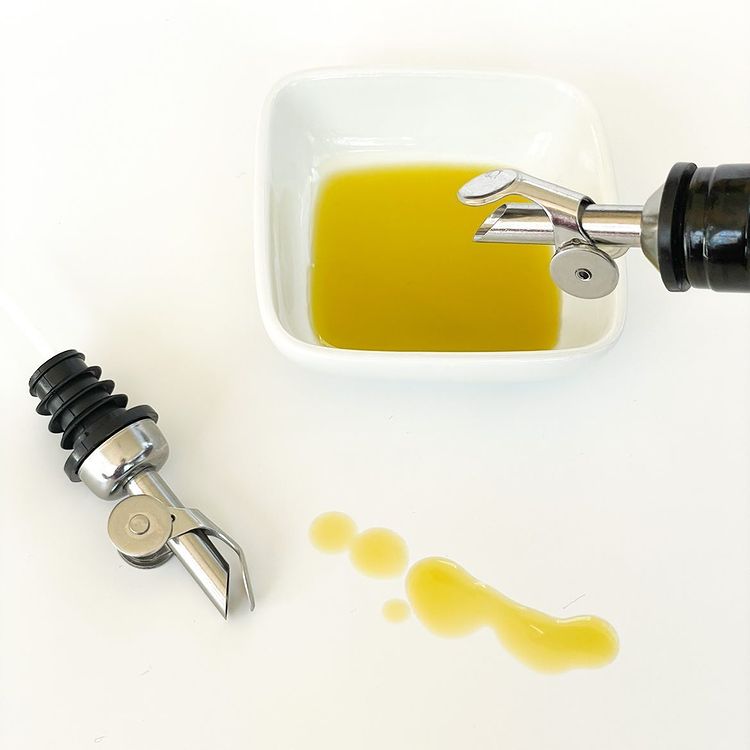
Ever tried pouring out of a spout that dribbles? Frustrating, right? Steel spouts typically have well-designed nozzles that provide a smooth, controlled pour. No mess, no fuss.
Aluminum: The Lightweight Contender
On the other hand, aluminum spouts are light and often cheaper than their stainless steel counterparts. They can look sleek and modern, which is appealing in a kitchen. However, aluminum isn’t as stable. It can react with the oil, affecting its flavor over time. Imagine biting into a delicious piece of bread, and suddenly tasting metal—it’s not pretty.
Aluminum spouts can also wear out faster. They can bend or get dented, which can lead to leaks. If you’re pouring oil regularly, you don’t want a spout that falters.
The Taste Test: Keeping It Pure
When it comes to olive oil, purity is key. Stainless steel spouts maintain that integrity. They don’t impart any unwanted flavors. With aluminum, there’s always a risk. The last thing you want is to ruin a gourmet dish because of an uninvited metallic twist.
If you’re using high-quality olive oil, you deserve the best experience. Stainless steel allows you to savor every drop without interference.
Durability: A Long-Term Investment
Think of your kitchen tools like an investment. You want them to last. Stainless steel spouts are known for their durability. They can withstand daily use without showing signs of wear. Aluminum, while lighter, doesn’t hold up as well over time. You may need to replace it sooner than you’d like, leading to unnecessary costs.
Style Points: Aesthetic Appeal
Style matters too. Stainless steel boasts a modern, chic look that complements any kitchen decor. It shines beautifully and feels hefty in hand. Aluminum can come in colorful finishes, but it may not have the same elegance as stainless steel.
Consider your kitchen aesthetics. Do you want a spout that enhances the beauty of your olive oil bottle or one that looks flimsy and cheap?
Conclusion: The Final Pour
When it boils down to it, using a stainless steel pour spout for olive oil outshines aluminum in most areas. It’s durable, keeps the oil pure, and ultimately delivers a better pouring experience. Aluminum may have its perks and you may save a buck, but if you’re serious about your olive oil, the choice is clear. Invest in a stainless steel pour spout, and enjoy every flavorful drop. It’s not just a pour; it’s an experience!
Keep in mind that if you are pouring alcohol, wine, syrups and more, stainless steel is also the best way to go for your pour spouts. Aluminum and chrome spouts will rust and corrode over time.
Check out our entire line of spouts on our online wholesale portal. If you don’t have access yet, please let us know.
 –
–